
Plants
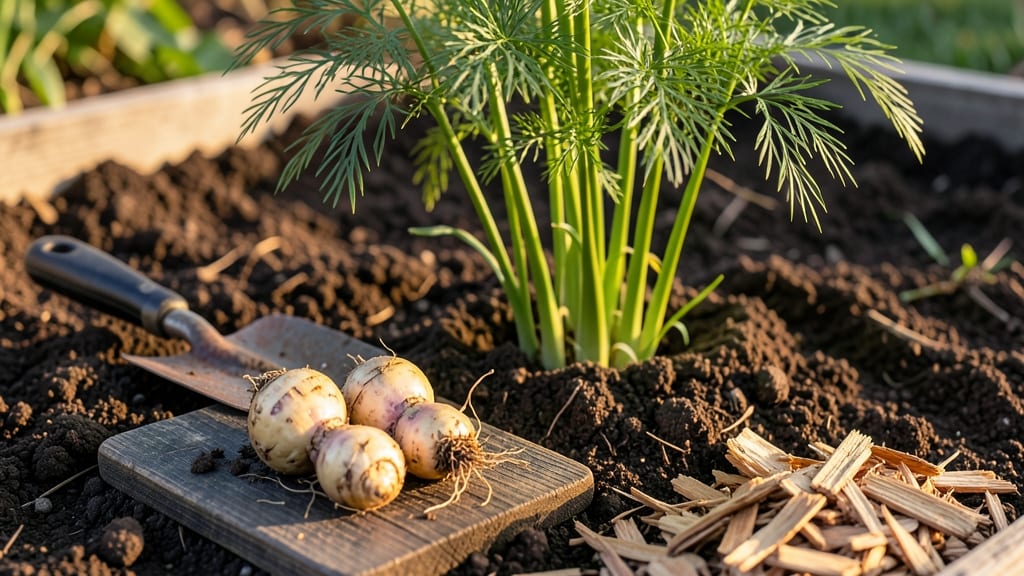
To plant asparagus in Zone 9, aim for late winter—February or March—when soil temperatures hover around 60°F and the risk of heat stress is still low.
Struggling to get your asparagus crowns off to the right start in Zone 9’s warm climate? Planting at the wrong time can mean stunted growth or even failed harvests—but timing it perfectly ensures a thriving, productive patch for years.
Zone 9’s frost-free winters mean you skip the usual spring wait, but rushing too early can leave crowns vulnerable to summer heat before roots establish. The sweet spot balances warmth and moisture, giving your asparagus the best chance to send up those prized spears by spring.
Below, I’ll walk you through the exact soil temps to watch for, how to adjust for microclimates, and the care steps that keep your patch thriving—no guesswork, just proven results.
Optimal planting months for asparagus in Zone 9: a science-backed timeline
Zone 9’s warm winters and hot summers make asparagus planting a delicate balance—plant too early, and roots struggle with heat; too late, and growth stalls before spring harvests.
The ideal window is late winter to early spring, when soil temperatures hover between 50°F and 70°F, giving crowns time to establish before summer’s intensity. Unlike cooler zones, Zone 9 gardeners must prioritize root development over immediate spear production to avoid stress.
Most gardeners in Zone 9 plant asparagus crowns (not seeds) because they produce spears in 2-3 years versus 3+ years from seed. Crowns also handle Zone 9’s heat spikes better once established.
My go-to variety is 'Mary Washington'—it thrives in full sun and tolerates Zone 9’s drought-like summers once roots are deep.
Soil temperature is your best indicator: Aim for 55°F+ at 6 inches deep before planting. In Zone 9, this typically aligns with February to early March, but coastal areas (like Zone 9b) can plant as early as January due to milder microclimates. Inland zones (like Zone 9a) may need to wait until March to avoid heat stress.
Here’s the science-backed breakdown of when to plant asparagus in Zone 9, including root establishment timelines and microclimate adjustments:
| Planting Window | Soil Temp Threshold | Root Establishment Time | Zone 9 Microclimate Notes |
|---|---|---|---|
| Late January - Early February | 50°F - 55°F | 6-8 weeks | Coastal areas only (Zone 9b/10a) |
| February - Early March | 55°F - 65°F | 8-10 weeks | Best for most of Zone 9 |
| Mid-March | 65°F - 70°F | 10-12 weeks | Inland areas (Zone 9a) |
| April (last resort) | 70°F+ | Risk of stunted growth | Only for fall-planted crowns |
For example, if you plant in early February in Zone 9b, roots should establish by mid-April, just as summer heat ramps up. This timing lets crowns focus on root growth rather than pushing spears too soon.
In contrast, April plantings risk heat shock—roots may not develop enough to support spears in Year 1.
Zone 9’s microclimates play a huge role. Coastal areas (like San Diego) can plant 1-2 months earlier than inland valleys (like Phoenix). Test your soil temperature with a soil thermometer—if it’s above 70°F at planting, delay until conditions cool slightly.
I’ve seen failed asparagus patches in Zone 9 because gardeners ignored this rule.
Another critical factor is water availability during root establishment. Asparagus crowns need 1-1.5 inches of water weekly for the first 8 weeks after planting. In Zone 9’s dry spells, I deep-water every 4-5 days rather than relying on rainfall.
Use drip irrigation to keep soil consistently moist without wetting foliage—this prevents fungal diseases like rust.
Pro tip: Mulch heavily (3-4 inches of straw or wood chips) after planting to retain moisture and regulate soil temperature. This is especially key in Zone 9a’s hotter inland areas, where soil can reach 90°F+ in summer.
Mulch acts like a thermal blanket, protecting young roots from temperature swings.
If you miss the ideal February-March window, don’t despair—you can plant asparagus crowns in fall (October-November) for a spring harvest the following year. However, fall-planted crowns need extra care to survive winter’s mild but unpredictable rains.
I’ve had success with this method in Zone 9b, but it requires well-draining soil to prevent rot.
Remember, patience is key with asparagus. Even with perfect timing, you won’t harvest spears until Year 3. But if you nail the planting window, soil prep, and early-watering routine, your patch will reward you with spears for 15+ years.
Start with 3-5 crowns to test your Zone 9 conditions before expanding!
Zone 9 asparagus planting mistakes to avoid: common errors and fixes
Planting asparagus in Zone 9 feels like a gamble if you don’t account for its unique climate quirks. The biggest mistake? Ignoring soil temperature and rushing crowns into the ground when daytime heat spikes too early.
I’ve seen gardeners plant in January only to watch their crowns dry out before roots take hold—don’t let that be you.
Another critical error is overlooking soil moisture during establishment. Zone 9’s dry spells can turn your freshly planted crowns into crispy snacks if you’re not vigilant. Even with well-draining soil, asparagus needs consistent dampness for its first 6-8 weeks to form strong roots.
⚠️ CALLOUT WARNING ⚠️
Zone 9’s winter warmth (50-60°F soil temps) can trick you into planting early, but crowns need cooler soil (40-50°F) to establish roots before summer heat arrives. Planting in January or early February risks heat stress—wait until late February or March when soil temps stabilize.
🔹 Fix: Use a soil thermometer (aim for 50-60°F) and mulch heavily to retain moisture. If planting in January, choose shadier microclimates (e.g., north-facing beds).
Many gardeners also skip soil prep, assuming Zone 9’s native soil is perfect. Reality check: asparagus hates compacted or clay-heavy soil. Amend your beds with compost and coarse sand to improve drainage—this is non-negotiable in Zone 9’s heavy clay regions like Los Angeles or Phoenix.
Finally, planting depth is often botched. Burying crowns too shallow (4 inches) leaves them exposed to heat, while planting too deep (10+ inches) stunts spear growth.
Stick to 6-8 inches deep, with the crowns’ buds facing upward. This balance is crucial for spear production in years 2-3.
Here’s your Zone 9 planting checklist to avoid these pitfalls: ☑️ Test soil temp (50-60°F) before planting ☑️ Amend soil with compost + sand for drainage ☑️ Plant crowns 6-8 inches deep, buds upward ☑️ Water deeply every 2-3 days for 6 weeks ☑️ Mulch with 3-4 inches of straw to retain moisture
By nailing these steps, you’ll skip the common failures and enjoy spears in 2-3 years—not the 5+ years some Zone 9 gardeners experience when they plant at the wrong time. Trust the process, and your asparagus patch will thrive! 🌱