
Plants
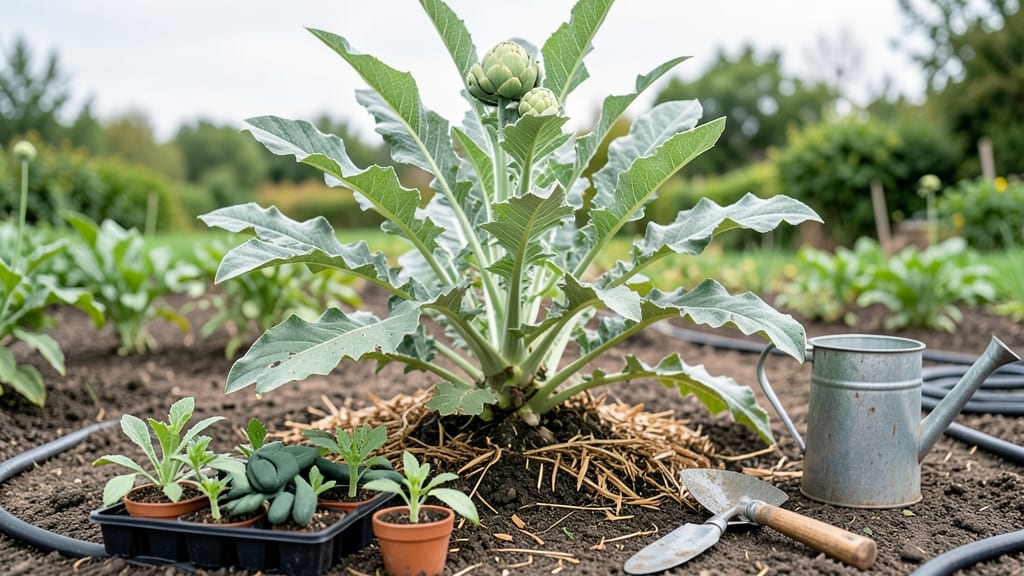
Planting artichokes in Texas demands precision—get the timing wrong, and you’ll either bake them before harvest or miss the growing window entirely.
Texas gardeners know timing is everything—plant artichokes too early, and the brutal heat will send them bolting before harvest. Too late, and you’ll miss the growing season entirely. Here’s the exact planting window for Texas, broken down by heat zone to ensure your 🥬 thrive.
Fall is the sweet spot for most of the state, with North Texas (zones 8a-9a) planting in late October to early November, while South Texas (zones 9b-10b) can start as early as September.
Spring plantings work too, but only if you get them in the ground by February—any later, and the heat arrives before the buds form.
Below, I break down the frost-free days by region, soil prep tips to avoid bolting, and whether transplants or seeds give you the edge in Texas’ unpredictable climate.
Texas heat-Zone planting calendar for artichokes (avoid bolting)
Artichokes (Cynara cardunculus) thrive in Texas when planted during cooler months, but timing varies dramatically across heat zones 8a-11. The key is avoiding premature bolting—when plants flower too early due to heat stress.
In North Texas (8a-9a), you’ll plant earlier than in South Texas (10a-11), where the window narrows to just a few weeks. My strategy? Use soil temperature as your guide: artichokes need 50-60°F soil to germinate and grow roots.
Texas’ first-frost dates also dictate your planting window. In El Paso (Zone 8a), the last frost is around January 15, while Houston (Zone 9a) sees frost as late as December 15.
For South Texas (Zones 10b-11), frost is rare, but heat waves can still trigger bolting. The solution? Plant transplants (not seeds) in fall or early spring to bypass germination delays in extreme heat.
| Heat Zone | Best Planting Window | Soil Temp Requirement | First Frost Date | Transplant vs. Seed |
|---|---|---|---|---|
| 8a (El Paso, Amarillo) | October 1–15 or February 15–March 1 | 50–60°F (10–15°C) | January 15 | Transplants only (seeds bolt in heat) |
| 9a (Abilene, San Antonio) | September 15–October 15 or February 1–March 15 | 55–65°F (13–18°C) | December 15 | Transplants (direct sow seeds in fall only) |
| 9b (Austin, Waco) | September 1–October 30 or January 15–February 15 | 60–70°F (15–21°C) | December 1 | Transplants or early fall seeds |
| 10a (Corpus Christi, Dallas) | August 15–September 30 or January 1–February 10 | 65–75°F (18–24°C) | January 1 | Transplants (seeds risk bolting) |
| 10b–11 (Houston, Brownsville) | July 15–August 31 or December 15–January 31 | 70–80°F (21–27°C) | Rare (use shade cloth) | Transplants + shade cloth |
For Zone 8a gardeners, focus on fall planting (October) to avoid summer heat. Start seeds indoors in August and transplant by October 15 for a spring harvest (March–May).
In Zone 9a, you can squeeze in a second fall crop if you plant by September 15, but harvest will be limited to October–November before frost.
In South Texas (Zones 10b–11), the challenge is heat stress, not frost. Use shade cloth (30–50%) during peak summer months (June–August) to keep soil temps below 80°F.
I’ve had success with ‘Green Globe’ artichokes, which tolerate slightly warmer soils than heirloom varieties. For direct sowing, wait until July 15 and use
Signs your Texas artichoke planting timing is wrong (and how to fix it)
If your Texas artichoke plants are sending up flower stalks too early, your timing might be off. Premature bolting is a classic sign you planted too late in North Texas (Zone 8a) or too early in South Texas (Zone 10a).
Artichokes need cool weather to grow—when temperatures climb above 80°F for extended periods, they’ll bolt before forming edible buds.
Another red flag is stunted growth or yellowing leaves within weeks of planting. This often means your soil wasn’t warm enough when you sowed seeds or transplanted. Artichokes thrive when soil temps hit 60°F+, but Texas’ spring heat spikes can outpace their growth if planted too soon.
⚠️ callout warning ⚠️
If your artichokes bolt before buds form, you’ve likely planted in Zone 9b+ after March 15 or in Zone 8a after April 1. Fix it now: Move plants to partial shade (50% sunlight) and water deeply twice daily to delay flowering. For North Texas, replant transplants in October for a fall harvest.
Watch for pale, sparse foliage or leggy stems stretching toward light. This usually means your artichokes aren’t getting enough sun, a common issue in East Texas’ humid microclimates where afternoon clouds block sunlight.
Even in full sun, if your plants look etiolated (weak, stretched), they need more light or a warmer microclimate.
For West Texas gardeners, dry, crisp air can also stress artichokes, causing curled leaves or premature wilting.
If this happens, mulch heavily with straw to retain moisture and water at soil level (not overhead) to prevent fungal issues like downy mildew, which thrives in Texas’ 95°F+ heat.
To salvage a mis-timed crop, try shade cloth (30-50%) during peak afternoon heat. For North Texas, extend the season with row covers in late fall to protect from early frosts. In South Texas, prioritize fall planting (September-October) to avoid summer bolting entirely.
Pro tip: Use a soil thermometer to check temps before planting—artichokes need 60-65°F soil to germinate. If your soil runs hotter than 70°F in spring, wait until late April or May for transplants or direct-sow in fall for cooler conditions.