
Plants
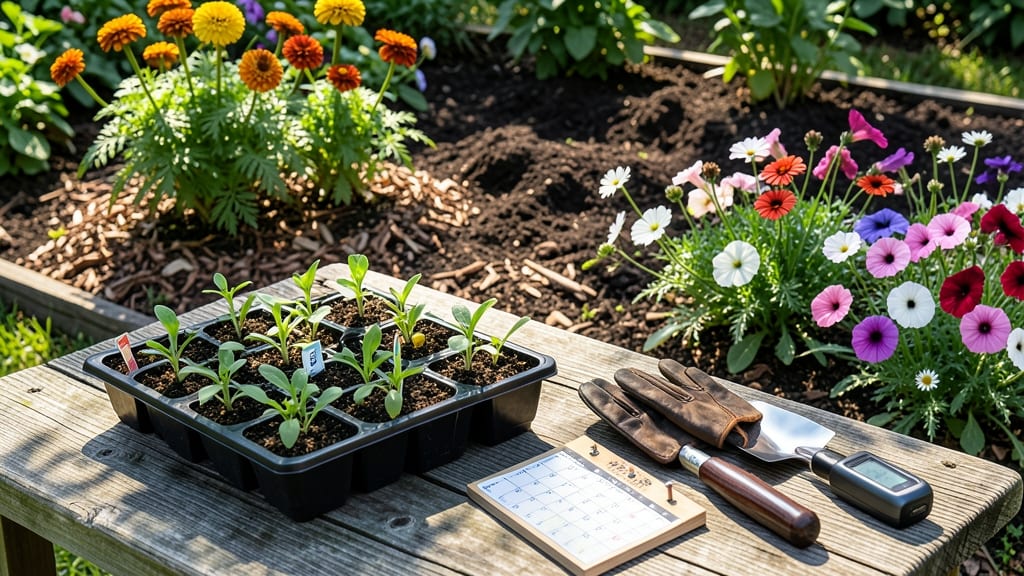
Plant annuals in Zone 6 when soil warms to 50°F+ after the last frost date — typically mid-April to early May for most varieties 🌱.
Timing is everything in gardening—plant too early, and you risk frost damage; too late, and your flowers or veggies may bolt before blooming. Mastering the exact window ensures vibrant blooms and bountiful harvests all season long.
Zone 6’s unpredictable spring makes this tricky: some annuals like pansies can handle cooler soil, while heat-lovers like marigolds need warmer temperatures. Below, I break down the exact months to plant by variety type, plus how to adjust for your local frost dates.
You’ll discover how to extend your growing season, choose the right annuals for each planting window, and avoid common mistakes that lead to wasted effort. Let’s get those seeds in the ground at the perfect time!
Zone 6 annual planting calendar: exact months by heat tolerance group
Mastering the Zone 6 annual planting calendar means understanding your plants' heat tolerance groups—cool-season, transitional, and heat-loving. In Zone 6, where last spring frost ranges from April 15–May 15 and first fall frost hits October 1–November 15, timing is everything to avoid frost damage or bolting.
Let’s break down when to plant each group for a continuous bloom season.
Cool-season annuals like pansies and lettuce thrive in 50–65°F soil and can handle light frosts. These are your early spring and late fall stars.
Transitional plants, such as calendulas and snapdragons, bridge the gap between cool and warm seasons, while heat-lovers like marigolds and zinnias need soil temps above 60°F to thrive. Miss the window, and you risk bolting or stunted growth.
Here’s a summary table of exact planting months for each group, including bolting risks and ideal soil temperatures. Use this as your Zone 6 planting guide to keep your garden vibrant all season.
For cool-season annuals, start seeds indoors in late February for an early spring jumpstart. Direct-sow hardy varieties like pansies as soon as soil is workable (40°F). These plants tolerate light frosts and often rebloom after cold snaps, making them perfect for Zone 6’s unpredictable spring.
Just avoid planting too early—soil that’s too cold can stunt growth or attract pests.
Transitional annuals are your spring and fall bridge. Plant calendulas and snapdragons after the last frost date (around May 15 in most of Zone 6) but before soil temps hit 70°F.
These plants handle moderate heat but may bolt if stressed. For a fall crop, sow seeds in late summer (August) to enjoy blooms until the first frost.
Heat-loving annuals like marigolds and zinnias demand warm soil and consistent sunlight. Wait until after May 15 to plant these, when soil temps are consistently above 60°F. If you’re eager for summer color, start seeds indoors in April and transplant after the last frost.
For late summer blooms, sow seeds in July—just be sure to water deeply to prevent bolting in the sweltering Zone 6 summers.
Pro tip: Use row covers or cold frames to extend the season for cool-season plants in early spring or late fall. For heat-lovers, mulch with straw to keep roots cool and retain moisture.
These small adjustments can add weeks to your Zone 6 growing season and keep your garden thriving.
Bolting is the biggest risk for annuals in Zone 6. Plants like lettuce and basil bolt when exposed to heat stress or long daylight hours. To prevent this, choose bolting-resistant varieties (e.g
How to adjust planting dates for zero bolting in Zone 6’s unpredictable spring
Zone 6’s spring is famously unpredictable—one week of 60°F soil can turn into a 30°F surprise overnight. To avoid bolting (when plants prematurely flower and go to seed), I’ve learned to play by the soil thermometer, not just the calendar.
The key is matching your planting dates to both air temperatures and soil warmth, which often lag behind by 2–3 weeks.
Most annuals need soil temperatures above 50°F to germinate consistently. In my garden, that typically means waiting until late April or early May for warm-season crops like marigolds or basil.
But cooler-loving plants, such as pansies or lettuce, can handle 40°F soil and often thrive when planted in March. The trick? Use succession planting and microclimate adjustments to stretch your growing season.
5 Pro Tips to Adjust Planting for Zero Bolting
- 1. Test soil temp with a soil thermometer—wait until it hits 50°F+ for warm-season annuals. My zinnias and cosmos bolt if planted too early!
- 2. Use raised beds to warm soil faster—add black plastic mulch 1–2 weeks before planting to boost soil temps by 10°F+.
- 3. Plant cold-hardy varieties like snapdragons or stock in March for early color, then swap for heat-lovers in June.
- 4. Succession plant every 2–3 weeks—start with fast growers like radishes in April, then bush beans in May, and sunflowers in June.
- 5. Shield seedlings with frost cloth if nights dip below 40°F—this buys you 2–3 extra weeks of planting time.
Microclimates in your garden can shift planting windows by 1–2 weeks. For example, my south-facing raised beds warm up 10°F faster than the north side, letting me plant tomatoes there in mid-April while the rest of the garden waits until May.
Even a fence or brick wall creates a warmer microclimate—perfect for heat-sensitive annuals like basil.
For late-summer blooms, focus on heat-tolerant annuals like portulaca or celosia, which thrive in 90°F+ heat. I plant these in late June after my spring bloomers (like petunias) have faded. Succession planting every 3 weeks ensures continuous color—no gaps!
Don’t forget fall planting! Many annuals, such as pansies or calendula, handle cool nights and can be sown as late as August for fall harvests. Just monitor first frost dates (typically October 1–November 15 in Zone 6) and adjust accordingly.
By combining soil temperature checks, succession planting, and microclimate awareness, you can extend your growing season and avoid bolting—even in Zone 6’s unpredictable springs. My marigolds now bloom from May to October, and my basil stays lush all summer long! 🌱