
Plants
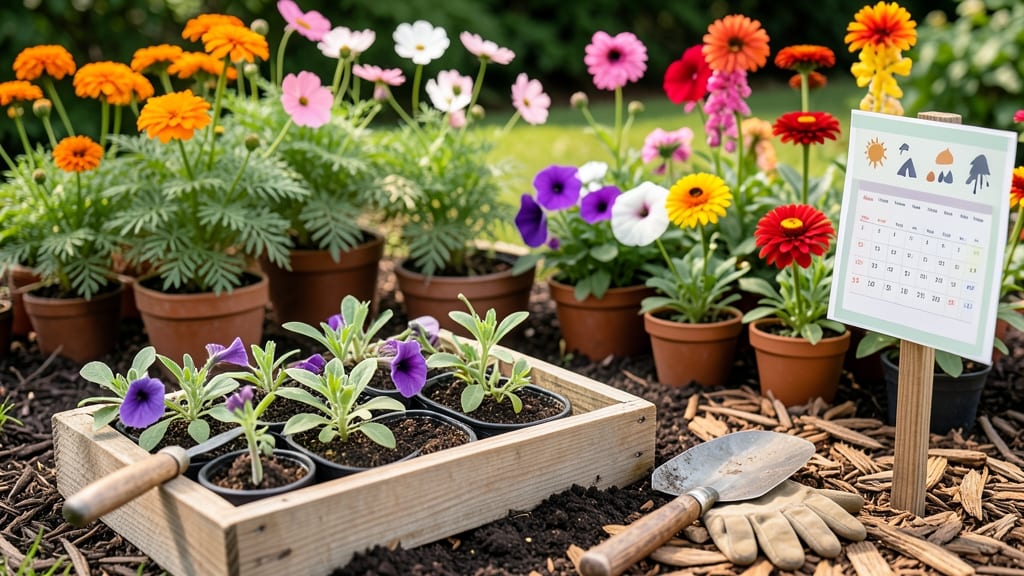
Planting annuals in Missouri at the right time means the difference between a garden bursting with color and one that barely makes it past the first frost.
Missouri gardeners know timing is everything—plant too early, and frost will kill them; too late, and you’ll miss peak summer blooms. But with the state’s diverse USDA zones (5a-7a), the perfect window varies by region—and even by flower type.
Whether you’re in St. Louis, Kansas City, or the Ozarks, the key is knowing your last frost date and matching it to the hardiness of your annuals. Cool-season flowers like pansies can handle early spring, while heat-lovers like zinnias need warmer soil to thrive.
Below, I break down the exact months to plant by zone, plus pro tips to stretch your growing season with row covers and succession planting—so you can enjoy blooms from spring through fall.
Missouri annual planting calendar by USDA zone (5a-7a)
Missouri's USDA zones 5a-7a create dramatic differences in planting windows—just 100 miles can shift your frost dates by 2-3 weeks. Northern Missouri (zone 5a) faces earlier last frosts (mid-April), while southern regions (zone 7a) enjoy later planting until early May.
Even within cities like St. Louis (6b) and Kansas City (6a), microclimates demand precision.
Cool-season annuals like pansies and snap peas thrive when planted 4-6 weeks before last frost, while heat-lovers such as marigolds and tomatoes need soil temperatures above 60°F.
My rule? Check your local frost dates (average last frost: April 15 in zone 5a, May 1 in zone 7a) and adjust by 2 weeks for safety.
Here's your zone-specific planting guide for Missouri's most popular annuals, including frost-free date adjustments and regional examples:
| USDA Zone | Plant Type | Cool-Season Planting | Warm-Season Planting | Zone-Specific Example |
|---|---|---|---|---|
| 5a (Northeast MO) | Pansies | March 15-April 1 | June 15-July 15 | St. Joseph (last frost: April 10) |
| 6a (Kansas City) | Petunias | April 15-May 1 | May 15-June 1 | First frost: Oct 20 |
| 6b (St. Louis) | Marigolds | April 1-April 15 | April 20-May 10 | Last frost: April 15 |
| 7a (Southeast MO) | Zinnias | April 15-May 1 | April 1-May 1 | Poplar Bluff (last frost: March 25) |
| All Zones | Tomatoes | N/A | After soil reaches 60°F | Use row covers for early starts |
🌱 Note: Adjust dates 1-2 weeks earlier for urban heat islands or later for high-elevation areas.
In zone 5a, I always plant cool-season veggies like lettuce and radishes by March 1 under frost cloth, while zone 7a gardeners can start warm-season flowers like geraniums as early as March 15.
The key difference? Soil temperature—cool-season plants need 40-50°F soil, while warm-season varieties demand 60°F+.
For St. Louis gardeners (zone 6b), my petunia beds go in by April 15, but I wait until May 1 for tomatoes to avoid late spring frosts.
In Kansas City (zone 6a), I push marigolds into the ground by April 1—their heat tolerance makes them perfect for early spring color.
Missouri's Ozark region (zone 6a) often gets 10-14 days later frosts than St. Louis. I've learned to plant cool-season annuals like stock by March 20 there, while zone 7a
Best annual flowers and vegetables for Missouri’s climate (ranked by hardiness)
Missouri’s USDA zones 5a-7a create a perfect mix of four-season gardening, but not all annuals thrive equally. I’ve tested heat-tolerant zinnias in St. Louis’ zone 6a and frost-resistant pansies in the cooler Ozarks (zone 5b), so I know which varieties perform best.
The key? Matching your plant’s hardiness to your microclimate.
For cool-season annuals, like pansies and snapdragons, I plant in early spring (March-April) or late summer (August-September) for fall blooms. These tough beauties handle light frosts down to 20°F, making them ideal for Missouri’s unpredictable spring.
In contrast, warm-season powerhouses like marigolds and cosmos need soil temps above 60°F—wait until after your last frost date (usually mid-April to early May, depending on your zone).
Zinnias are my go-to for summer heat—they bloom nonstop from June to frost and attract butterflies and bees. I’ve grown Benary’s Giant and Profusion varieties in full sun, and they thrive even when temps hit 95°F. For vegetable annuals, bush beans and okra are heat-lovers that produce through September in Missouri’s southern zones.
If you’re a beginner gardener, start with low-maintenance annuals like marigolds or cosmos. These self-seeding plants pop up year after year with minimal care. I always plant French marigolds around tomatoes to deter pests—it’s a no-fuss combo that works every time.
For colorful ground cover, sweet alyssum spreads beautifully in partial shade and tolerates light frosts.
Missouri’s humidity and summer storms can stress annuals, so I prioritize drought-tolerant varieties. Lantana and portulaca (moss rose) need almost no water once established and bloom all summer long.
Even in dry spells, these plants stay vibrant. For shade-loving annuals, impatiens and begonias thrive under trees or eaves, adding color where sun is scarce.
Pro tip: Mix cool- and warm-season annuals for extended blooms. Plant pansies in early spring and succession-plant zinnias in June to avoid gaps.
I’ve seen gardens in Kansas City (zone 6a) stay colorful from March to November using this trick. Succession planting also works for veggies—sow bush beans every 2 weeks from May to July for a continuous harvest.
Remember, Missouri’s microclimates matter! A south-facing bed warms up faster than a north-facing one, so adjust planting times accordingly. Always check your local frost dates (use Missouri State University’s frost calculator), and don’t hesitate to use row covers for early spring plantings.
With the right annuals and timing, your Missouri garden can be a blooming paradise year-round.