
Plants
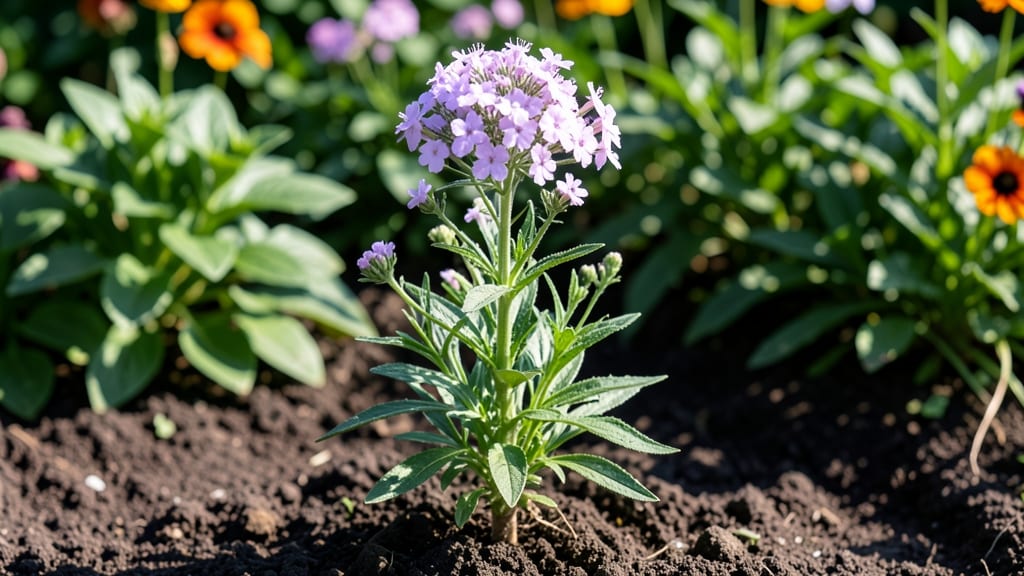
To plant annuals in Virginia, aim for mid-April to early June in most zones, but timing shifts dramatically from the mountains to the coast.
Virginia gardeners know timing is everything—plant annuals too early, and frost will take your blooms; too late, and you’ll miss peak summer color. But with Virginia’s diverse USDA zones (4-8), the perfect window varies dramatically.
In the cooler Zone 4 (like the Shenandoah Valley), wait until after the last frost (usually mid-May) to avoid stunted growth. Meanwhile, coastal Zone 8 gardeners can start as early as March for heat-loving blooms like zinnias.
Below, I’ll break down the exact months for your zone, plus pro tips for extending your blooms—whether you’re a beginner or a seasoned gardener.
Virginia’s USDA zone planting calendar for annuals: month-by-month breakdown
Virginia’s USDA zones 4-8 create a patchwork of planting opportunities, where cool mountain valleys (zone 4) and hot coastal plains (zone 8) demand different strategies. Understanding these zones helps you avoid frost damage in spring or wilting heat stress in summer.
For example, marigolds thrive when planted after the last frost in zone 7 but need a head start in zone 4.
Your last frost dates vary wildly: March 15 in zone 7 (Richmond) but May 1 in zone 4 (Roanoke). Meanwhile, first frost arrives as early as October 15 in zone 6 (Charlottesville) but can linger until November 30 in zone 7.
These timelines dictate when to plant heat-loving annuals like zinnias versus cool-season favorites like pansies.
Below is your zone-specific planting calendar for annuals, including ideal transplant windows and frost-sensitive varieties. Use this as your roadmap to year-round color—whether you’re in the Piedmont’s zone 6 or the Tidewater’s zone 8.
In zone 4, where frosts linger late, start petunia seeds indoors by March 1 for transplanting after May 15. Meanwhile,
How to adjust planting times for Virginia’s microclimates and frost quirks
Virginia’s microclimates can make all the difference between a thriving garden and a frost-killed disappointment. Urban heat islands in Richmond can be 10°F warmer than nearby countryside, while mountain valleys like Roanoke experience later frosts. Even coastal areas like Norfolk enjoy earlier planting thanks to milder winters.
To succeed, I’ve learned to adjust planting times based on three key factors: elevation, urban density, and coastal proximity.
For example, my Zone 6 garden in Charlottesville gets 3-4°F warmer nights in summer than the Shenandoah Valley’s Zone 4—so I plant heat-lovers like lantana 2 weeks earlier. Meanwhile, my friend in Zone 7 Norfolk starts marigolds in February under row covers.
Here’s the critical adjustment: Mountain gardeners should wait until May 15 for frost-sensitive annuals, while coastal gardeners can plant zinnias by March 15. Even within cities, south-facing walls create microclimates warm enough for tropical annuals like celosia—while shaded courtyards need cooler-season varieties.
Frost Quirk Warning!
Virginia’s valley frosts can hit 1-2 weeks after official last-frost dates. Check local weather patterns—not just USDA zones! For example, the Roanoke Valley often sees frost in early May even when Zone 6 says it’s safe. Use row covers for 2-3 weeks after planting to protect tender annuals like geraniums.
For urban gardeners, I recommend planting cool-season annuals like pansies in September for winter color—they’ll thrive in heat islands where summers are intense. Meanwhile, succession planting every 3 weeks from May to July ensures continuous blooms.
My Zone 7 garden stays in bloom from April to October using this method with cosmos and sunflowers.
Cold frames and mini greenhouses let me extend seasons by 4-6 weeks. I start heat-loving annuals like portulaca indoors in March and transplant them in April—they’d never survive direct outdoor planting in Zone 6 until May 15.
For coastal gardeners, this means you can plant tropical annuals like browallia in February under protection.
Pro tip: Use frost cloth for 2-3 weeks after planting to create a 5-10°F warmer microclimate. I’ve seen petunias planted in early April survive 28°F nights with this protection—something impossible without it. Pair this with mulching to keep roots warm, and you’ll get 3-4 weeks of earlier blooms.