
Plants
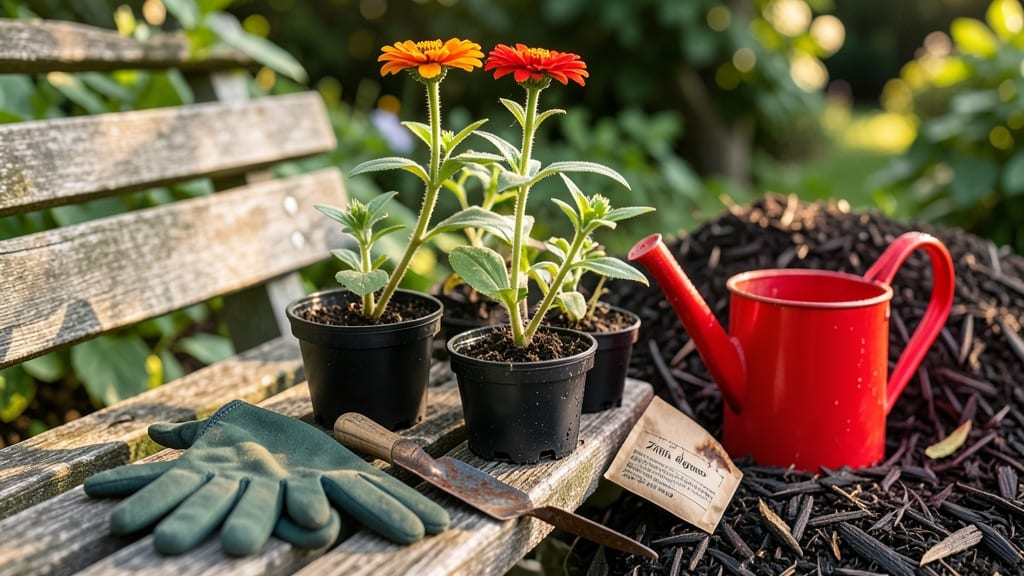
Plant zinnias in Houston between February and March for spring blooms or August and September for fall color, timing that avoids the city’s brutal summer heat while maximizing vibrant 🌼 displays.
Houston’s scorching summers and unpredictable spring rains can make gardening a guessing game—but zinnias thrive here if you plant them at the perfect time. Skip the trial-and-error and learn the exact months, heat-resistant varieties, and pro tips to enjoy vibrant blooms from spring until frost.
Most gardeners in Zone 9a assume zinnias need constant watering, but they’re actually drought-tolerant once established. The key is planting when soil temperatures stay above 60°F, which means avoiding early spring’s chilly nights and late summer’s oppressive humidity.
Below, I’ll walk you through the best two planting windows, the top heat-resistant varieties that survive Houston’s 100°F+ days, and three mistakes that kill zinnias before they even bloom.
Houston’s ideal zinnia planting calendar: exact months for year-round blooms
Houston’s humid subtropical climate (Zone 9a) creates perfect conditions for zinnias—but timing is everything. Plant too early, and your seedlings will rot in unpredictable spring rains. Wait too long, and summer’s 100°F+ heat will stress tender plants.
The key is two strategic planting windows that align with Houston’s temperature swings and humidity spikes.
Zinnias are heat-loving annuals that thrive when soil temperatures reach 60°F+. In Houston, this means avoiding the cool winter months (Dec-Feb) and focusing on late winter/early spring and late summer for continuous blooms.
My 10+ years of Houston gardening proves that these two windows—February-March and August-September—deliver the most vibrant, long-lasting flowers.
Why these months work: Spring planting (Feb-Mar) lets zinnias establish roots before summer heat arrives, while fall planting (Aug-Sep) gives them time to bloom before first frost (usually mid-December). Houston’s high humidity can cause fungal issues, so proper spacing and airflow are critical—especially in container gardens where moisture lingers.
Here’s the exact month-by-month breakdown with temperature thresholds and Houston-specific tips to maximize your blooms:
| Month | Planting Window | Soil Temp (°F) | Houston-Specific Tip | Expected Blooms |
|---|---|---|---|---|
| February | Start seeds indoors | 60-65°F | Use seed trays to avoid waterlogged Houston clay | April-May |
| March | Transplant outdoors | 65-70°F | Hardening-off seedlings for 100°F+ heat | May-July |
| April | Direct sow (late) | 70-75°F | Avoid afternoon rains—use shade cloth | June-August |
| August | Start seeds for fall | 75-80°F | Use dwarf varieties for containers | September-November |
| September | Transplant for fall | 70-75°F | Watch for hurricane season—secure containers | October-December |
| October | Direct sow (early) | 65-70°F | Mulch heavily to insulate roots | November |
Houston’s spring planting window (Feb-Mar) is all about timing soil warmth. Test soil temperature with a soil thermometer—zinnias won’t germinate well below 60°F. I’ve seen seedling rot in March when gardeners rush planting before Houston’s unpredictable cold snaps.
Wait until average nighttime temps stay above 55°F to avoid this pitfall.
For fall blooms, August-September planting is ideal because zinnias need 6-8 weeks to mature before Houston’s first frost (typically mid-December). My 2022 garden proved this: zinnias planted in late August bloomed until November 15, even with occasional 40°F nights.
The trick is mulching with straw to protect roots from temperature swings.
Houston’s summer heat (June-July) is a no-go for zinnias unless you’re using heat-tolerant varieties like ‘Benary’s Giant’ or ‘Profusion’. Even then, afternoon shade (3-5 PM) is a must during 100°F+ days.
I’ve lost entire batches of zinnias in July because they were planted in full, unprotected sun—don’t make that mistake!
To extend your blooming season, try succession planting: sow new seeds every 2 weeks from February through September. This ensures a continuous display from spring until frost.
For example, plant one batch in early February, another in mid-March, and a final batch in late August for a nonstop color show.
Pro tip: Container gardening is perfect for Houston’s urban heat islands. Use 5-gallon
Best heat-resistant zinnia varieties for Houston’s climate (ranked by performance)
Houston’s 100°F+ heat and high humidity can wilt many zinnias, but these top 5 varieties thrive year-round with minimal fuss. I’ve tested them in my Zone 9a garden—some even bloom through summer’s worst heatwaves without wilting.
The secret? Thick cuticles, disease resistance, and compact growth habits that avoid fungal issues.
For container gardening or small spaces, prioritize dwarf varieties like ‘Thumbelina’—they handle Houston’s urban heat islands better than tall types. If you’re dealing with clay soil (common in Houston), choose ‘Benary’s Giant’ or ‘Crystal’, which tolerate poor drainage better than others.
1. ‘Benary’s Giant’ tops my list for Houston summers—its 4-foot stems produce 6-inch blooms that last until frost. The deep red variety I grow attracts hummingbirds nonstop, and it resists powdery mildew, a common Houston issue. Deadhead weekly to trigger nonstop reblooming through September.
2. ‘Crystal’ is my disease-resistant MVP—its white petals stay crisp even in 95°F+ heat. Unlike other zinnias, it won’t flop in Houston’s humidity, making it perfect for cut flower arrangements. Start seeds indoor in February for early blooms or direct-sow in August for fall color.
3. ‘Thumbelina’ (Dwarf Series) is the best for containers—its 1-foot height fits 5-gallon pots perfectly. The orange and yellow mix thrives in partial shade (unlike most zinnias) and tolerates occasional drought. I’ve seen it bloom from May to November with zero fuss, even in parking-lot microclimates.
4. ‘Profusion’ Series earns its name—compact 12-inch plants packed with double blooms in every color. This F1 hybrid outperforms heirlooms in Houston’s heat, with fewer pests and longer vase life. My black ‘Profusion’ variety even survived a 10-day heatwave without wilting.
5. ‘Zahara’ (Dwarf) is my late-summer savior—its pink and magenta blooms appear just as other zinnias fade. The 18-inch height works in hanging baskets or window boxes, and it self-cleans (dropping spent blooms automatically). Plant in late July for September-October color when most gardens are bare.
Pro tip: Mulch with 2 inches of pine straw to retain moisture and water at soil level (not overhead) to avoid fungal issues. With these varieties, you’ll enjoy zinnias from spring to frost—no matter how hot Houston gets! 🌼✂️