
Plants
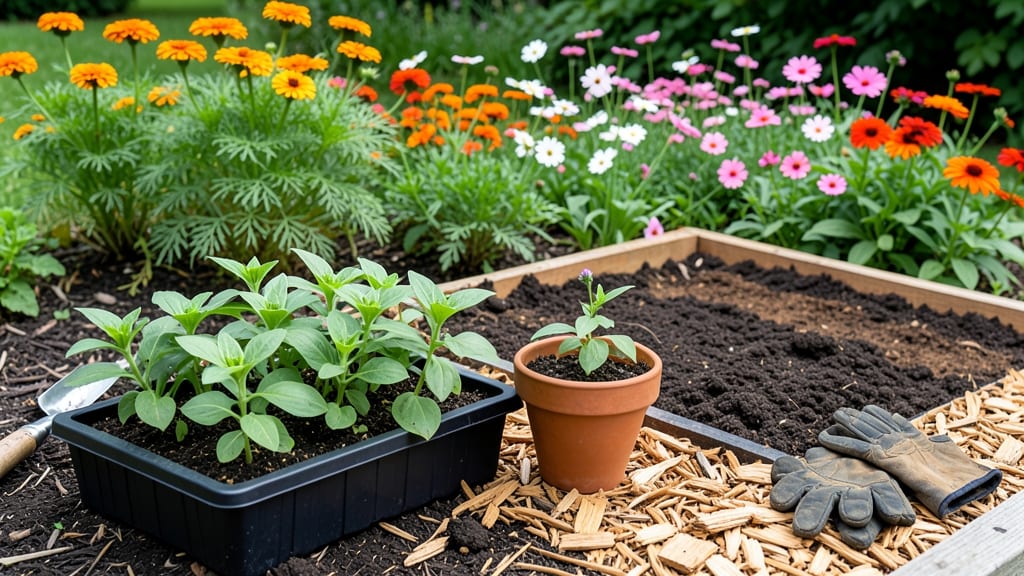
Planting annuals in Maryland after your average last frost date — typically mid-April — is the key to vibrant blooms and thriving gardens.
Maryland's unpredictable spring weather can turn your annual flowers into a gamble — unless you know the exact planting windows for your hardiness zone. Get it wrong, and your petunias might freeze; get it right, and you'll enjoy blooms all summer long.
With zones 6b-7a across the state, timing matters more than you might think. Cool-season annuals like pansies can handle early spring, while heat-loving marigolds need to wait until soil warms to 60°F or higher.
Below, I break down the best months for each zone, when to start seeds indoors, and how to stretch your growing season with simple tricks that work in Maryland's climate.
Maryland annual planting calendar by hardiness zones 6b, 7a, and 7b
Maryland's three hardiness zones—6b, 7a, and 7b—create subtle but important differences in planting timing. While all three zones share similar last frost dates (around April 15), zone 7b (warmer southern Maryland) can safely plant 1-2 weeks earlier than zone 6b (cooler western Maryland).
Understanding these nuances ensures your marigolds, tomatoes, and cosmos thrive without frost damage.
Cool-season annuals like pansies and lettuce can handle Maryland's early spring chill, but warm-season favorites such as begonias and peppers need soil temperatures above 60°F to germinate.
Waiting until after the last frost—and verifying soil warmth—is critical. Use a soil thermometer to confirm readiness, especially in zone 6b, where cooler pockets linger.
Here’s how to align your planting with Maryland’s zones, including month-by-month windows for both cool-season and warm-season annuals, plus soil temperature and frost risk considerations.
For zone 6b, start cool-season crops like kale and spinach in mid-March under row covers to protect from late frosts. In zone 7b, you can plant radishes as early as late February in a greenhouse or cold frame.
Warm-season plants like tomatoes and peppers should wait until after May 1 in zone 6b, but zone 7b gardeners can plant 1-2 weeks earlier once soil reaches 60°F.
Succession planting is key for continuous blooms. In zone 7a, sow basil every 2 weeks from April 15 to June 1 to avoid bolting.
Similarly, zinnias and cosmos benefit from staggered plantings in May and June to extend their summer-to-fall display. Use biodegradable pots to transplant seedlings without disturbing roots.
Fall planting for cool-season annuals starts in August, with pansies and snapdragons thriving through October.
In zone 6b, aim for early August plantings to ensure blooms before the first frost (October 15). Zone 7b gardeners can push this to mid-August, but monitor soil temperatures, which drop faster in low-lying areas.
Urban gardeners in Baltimore (zone 7a) often face microclimate challenges, such as heat islands that delay frost. Use a frost clock or local weather alerts to adjust timing. Rural areas in zone 6b may experience earlier frosts, so prioritize heat-tolerant varieties like cel
How to extend your Maryland annual planting season with smart techniques
Maryland’s short growing season and unpredictable frost dates can make planting annuals feel like a guessing game. But with the right techniques, you can push your planting windows earlier in spring or later into fall, giving your garden a competitive edge.
Whether you’re growing heat-loving marigolds or cool-season pansies, these strategies will help you maximize your blooms.
One of the easiest ways to extend your season is by using season extenders like row covers or cold frames. These simple tools can protect tender plants from late frosts or early chills, allowing you to plant 4-6 weeks earlier in spring or 3-4 weeks later in fall.
For example, I’ve used row covers to plant basil and tomatoes as early as mid-April in my zone 7a garden, even when nighttime temps dip below 40°F.
Here’s how to extend your Maryland annual planting season with proven techniques:
- Use row covers: Lightweight fabric traps heat and protects plants from frost. Ideal for cool-season crops like lettuce or warm-season starts like peppers.
- Cold frames: Unheated glass or plastic boxes raise soil temps by 10-15°F. Perfect for early spring planting of pansies or snapdragons in March.
- Succession planting: Stagger plantings every 2-3 weeks to ensure continuous blooms. Try zinnias or cosmos for summer-long color.
- Heat-tolerant varieties: Choose drought-resistant annuals like lantana or portulaca for late-summer planting when temps soar.
- Mulch heavily: Apply 3-4 inches of mulch to insulate soil and retain moisture, delaying fall planting by 2-3 weeks.
Another game-changer is succession planting. Instead of planting all your annual flowers at once, space out your plantings every 2-3 weeks to ensure a steady supply of blooms. For example, I plant marigolds every 10 days from May through July to keep my garden vibrant all summer.
This technique also works for vegetables like lettuce or radishes, giving you a continuous harvest.
For late-summer planting, focus on heat-tolerant varieties that thrive in Maryland’s humid, hot conditions. Plants like celosia, vinca, or sunflowers can handle the heat and still produce stunning blooms.
I’ve had great success planting celosia in early August—it blooms like crazy even when temps hit 90°F. Pair these with deep watering techniques to keep roots cool and plants thriving.
Don’t forget about fall planting! Many annuals, like pansies, sweet alyssum, or calendula, can handle Maryland’s cool autumn nights and even bloom into December. Aim to plant these by early September in zone 7a or late August in zone 6b for the best results.
A little extra mulch and a lightweight row cover on chilly nights can make all the difference.
With these techniques, you can turn Maryland’s unpredictable climate into an advantage. Whether you’re extending spring, summer, or fall, the key is planning ahead and choosing the right tools for your garden. Happy planting! 🌱