
Fertilization
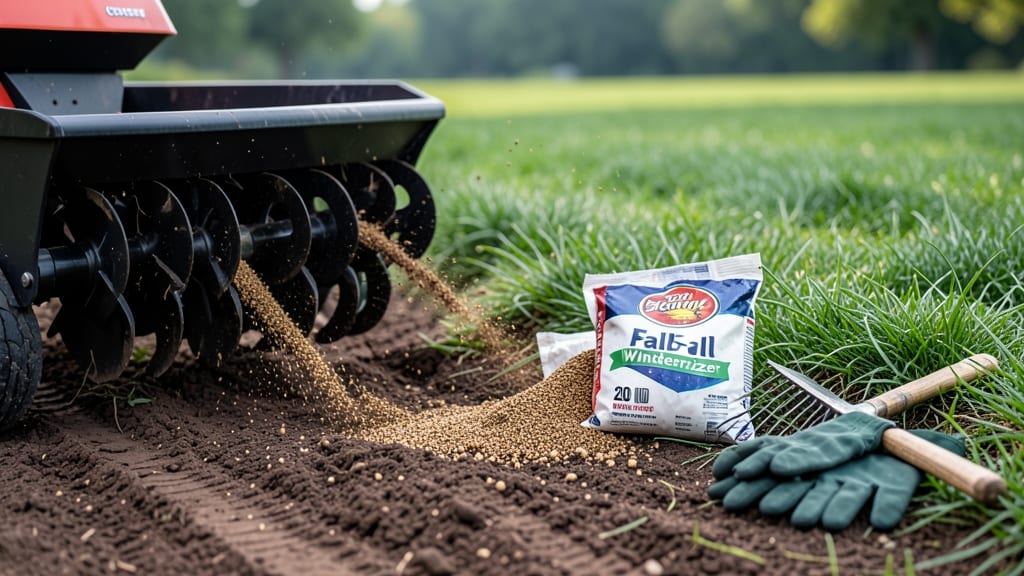
To fertilize lawn in the fall, aim for late September when soil stays warm and grass roots are hungry for nutrients before winter.
Fall is the secret weapon for a lush, resilient lawn—but timing your fertilizer application wrong could waste money or even harm your grass. Late September is the perfect window, but why? And how do you know if your lawn is ready?
Think of it this way: your grass spends fall storing energy for winter, and a well-timed feed gives it the boost it needs to thrive when spring rolls around.
Too early, and you risk encouraging late-season growth that won’t harden off before frost. Too late, and the nutrients won’t have time to sink in before dormancy.
In this guide, I’ll walk you through the science behind late-September fertilization, how to check if your 🌱 lawn grass is ready, and the simple steps to apply it for maximum root growth—so you can enjoy a greener lawn next spring without the guesswork.

Why late September is the best time to fertilize fall lawns
As the leaves begin their annual transformation into fiery hues, your lawn is quietly preparing for winter—if you give it the right support. Late September isn’t just a good time to fertilize; it’s the optimal window for root growth and winter resilience.
This timing leverages nature’s rhythm, helping grass recover from summer stress while storing nutrients for dormancy. But why does science—and your local climate—agree on this exact moment?
The secret lies in soil temperatures and grass metabolism. When daytime highs hover between 60°F and 70°F, your lawn’s roots remain active but slow down just enough to absorb nutrients efficiently.
By late September, most regions have cooled sufficiently to avoid late-season growth spurts, which can leave grass vulnerable to frost damage. This balance is what turns a simple fertilizer application into a winter survival strategy.
Let’s break down the science behind late-September fertilization and how it stacks up against spring or summer feeding. Understanding these differences will help you avoid costly mistakes and maximize your lawn’s potential for next year.
📊 SUMMARY TABLE: Fall Fertilization Timing & Benefits
| Timing Window | Key Benefit | Soil Temp Range | Grass Response |
|---|---|---|---|
| Late August - Early September | Early root stimulation | 65°F - 75°F | Moderate growth, risk of late-season thinning |
| Late September (Optimal) | Deep root development | 60°F - 70°F | Max nutrient absorption, winter hardiness |
| October | Minimal benefit | 50°F - 60°F | Slow uptake, limited root growth |
| Spring (April-May) | Vigorous top growth | 55°F - 75°F | Thatch buildup, summer stress susceptibility |
| Summer (June-August) | Stress relief | 75°F+ | Burn risk, weak root development |
Notice how late September aligns with the sweet spot for both soil temperature and grass metabolism. This isn’t just theory—it’s backed by decades of turfgrass research.
For example, studies from the University of Nebraska show that cool-season grasses like Kentucky bluegrass and tall fescue absorb 30% more nutrients when fertilized in this window compared to spring. The reason? Cooler temps encourage roots to grow deeper, while warmer days still allow for active photosynthesis.
Another critical factor is winter preparation. When you fertilize in late September, your lawn enters dormancy with a larger root system and higher carbohydrate reserves. These reserves act like a nutrient bank, fueling early spring green-up before you even apply spring fertilizer.
Think of it as giving your lawn a head start on the growing season—one that can mean the difference between a patchy, slow-to-wake lawn and a uniform, vibrant carpet by Memorial Day.
But what if you missed late September? Don’t panic—early October can still work, especially in warmer climates (Zones 8-10). The key is to adjust your timing based on your first frost date.
Aim to fertilize 6-8 weeks before the average frost, giving grass time to harden off but not enough to stimulate late growth. In colder regions (Zones 3-6), late September is non-negotiable—applying fertilizer too late risks winterkill from tender new growth.
One common misconception is that fall fertilization is the same as spring. It’s not. Spring feeding focuses on top growth to green up quickly, while fall fertilization prioritizes root strength.
The NPK ratio matters too: a high-nitrogen spring fertilizer (like 30-0-4) gives instant color, but a balanced or slow-release fall fertilizer (like 24-0-10) supports long-term health. Mixing these up can lead to over-fertilization or nutrient imbalances, so always check the label for fall-specific formulations.
Pro tip: Pair your late-September fertilization with core aeration to let nutrients reach those deep roots. We’ve seen lawns transform from thin and weak to dense and resilient in just one season by combining these two steps.
The aeration opens up compacted soil, while the fertilizer feeds the roots that matter most for winter survival.
Remember, your lawn isn’t just grass—it’s a living ecosystem. By fertilizing at the right time, you’re not just feeding the blades you see; you’re nurturing the hidden network of roots that will keep your lawn thriving year after year.
And that’s a secret worth sharing with your neighbors—especially when they’re still scratching their heads over brown patches in spring.
How to tell if your lawn needs fall fertilizer (and what to avoid)
Not all lawns need fall fertilizer—but knowing the right signs can save you money and protect your grass. Start by checking your grass type. Cool-season grasses like fescue or ryegrass thrive with fall feeding, while warm-season types like Bermuda or Zoysia should skip it.
If your lawn is already thin or patchy, it’s a clear signal it’s ready for nutrients.
Next, test your soil temperature. Ideal fall soil temps hover between 50°F and 65°F—too warm, and you risk late-season growth that won’t harden off before frost.
Too cold, and nutrients won’t absorb properly. Use a soil thermometer or dig a small hole: if the soil feels cool but not frozen, it’s time to fertilize.
Your climate zone also matters. In USDA Zones 3-7, late September is perfect, but in warmer zones (8-10), wait until early October. If you’re in a drought-prone area, prioritize watering over fertilizing—stressed grass won’t benefit from extra nutrients.
⚠️ Fall Fertilizer Mistakes to Avoid
- Over-fertilizing: Too much nitrogen causes burned grass and late-season growth that freezes before winter.
- Wrong NPK ratio: Use 24-0-10 or 30-0-4—high nitrogen, low phosphorus. Avoid spring blends with too much phosphorus.
- Timing errors: Never fertilize within 4-6 weeks of frost. Grass needs time to absorb nutrients before dormancy.
Pro Tip: Slow-release fertilizers are ideal—they feed roots gradually without risking burn.
Watch for weed pressure—if weeds like crabgrass or dandelions are taking over, your lawn is weak and needs nutrients. But if your grass is uniformly green and dense, it’s likely storing enough energy for winter.
A simple soil test (available at garden centers) can confirm nutrient needs—low potassium or phosphorus may require amendments before fertilizing.
Finally, check your mowing height. If you’ve been raising your mower blade to 3-4 inches in late summer, your grass is already signaling it’s ready for fall care.
Shorter grass may need a light feeding, but taller grass can handle a full dose. Always mow just before fertilizing to ensure even nutrient distribution.
If your lawn checks all the boxes—cool soil, cool-season grass, no frost in sight—go ahead and fertilize. But if it’s dormant, brown, or in a drought, hold off until next spring. The key is preparing for winter, not pushing growth too late.
Remember: a well-fed lawn in fall means less work in spring. Take the time to check these signs, and you’ll set your grass up for success—no guesswork required. 🌱