
Lawn
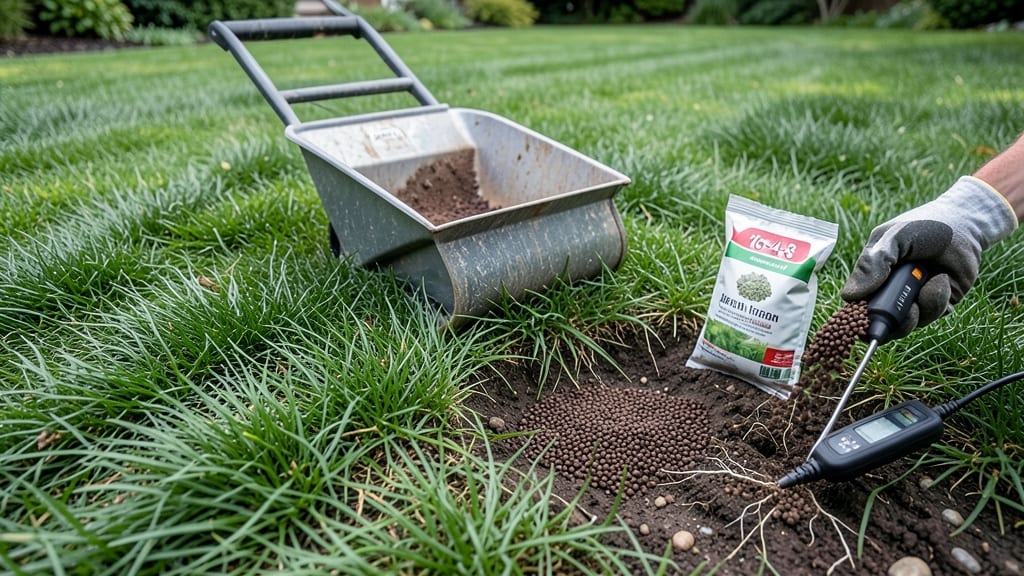
The best times to fertilize lawn are early spring and fall, when your grass is primed to soak up nutrients 🌱 — but timing isn’t one-size-fits-all, especially if you’re in a hotter climate or dealing with cool-season vs. warm-season grass.
A well-timed fertilization schedule can transform your lawn from patchy and weak to vibrant and resilient—but most homeowners either fertilize too early, too late, or at the wrong intervals.
In this guide, I’ll break down the optimal windows for your region, how to spot when your lawn is actually asking for food, and the three mistakes that turn fertilizer into a lawn killer.
By the end, you’ll know exactly when to feed your grass for year-round lushness—no guesswork, no wasted money, just a thicker, greener lawn that stays healthy no matter the season.
Best times to fertilize lawn by season: a month-by-month guide
A healthy lawn thrives on a seasonal fertilization schedule tailored to your climate zone and grass type. Cool-season grasses like fescue and ryegrass peak in spring and fall, while warm-season grasses like Bermuda and Zoysia need late spring and summer feeding.
Timing matters—fertilizing at the wrong time can waste nutrients or even harm your lawn.
Northern lawns (USDA Zones 3-5) should focus on early spring and fall applications, while southern lawns (Zones 7-10) benefit from late spring and early summer feeding. Always check your local frost dates and adjust accordingly.
Over-fertilizing in heat or drought stresses grass, so light applications are better than heavy ones during stress periods.
In early spring, aim for a high-nitrogen fertilizer (30-0-4 ratio) after the last frost when soil temperatures reach 55°F. This jumpstarts growth for cool-season grasses recovering from winter dormancy. For warm-season grasses, wait until soil hits 65°F—typically late April to May in most regions.
Summer fertilization requires caution. Heavy applications during heatwaves stress grass, leading to brown patches. Instead, use a light feed in June for southern lawns or skip entirely in northern regions. Always water deeply after fertilizing to activate nutrients and prevent burn.
Fall is the most critical fertilization window for northern lawns. Apply a slow-release fertilizer (24-0-8 ratio) 6 weeks before first frost to strengthen roots. Southern lawns benefit from a late August application to prepare for winter dormancy.
Avoid fertilizing in late fall—it encourages tender new growth that won't survive frost.
Winter is a no-fertilizer zone for most lawns. Grass goes dormant, and fertilizers won't activate until temperatures rise. Instead, focus on aeration and overseeding in early spring to improve soil health. Exceptions exist for warm-season grasses in mild climates, where a light winter feed may help maintain color.
Regional adjustments matter. In northern climates, split your spring feed into two applications: one in March and another in May. Southern lawns thrive with a June feed followed by a September boost. Always check your local extension service for microclimate-specific advice—even neighboring yards can have different needs.
Pro tip: Pair fertilization with proper mowing height. Keep grass 3-4 inches tall in summer to retain moisture and 2-3 inches in fall to encourage root growth. Never remove more than ⅓ of the blade height in a single mowing—this stresses grass and reduces nutrient absorption.
For organic options, consider composted manure or fish emulsion in spring, followed by bone meal in fall for phosphorus. Synthetic fertilizers offer precise nutrient ratios, while organics improve long-term soil health. Test your soil every 2-3 years to adjust fertilization based on pH and nutrient levels.
Remember: Timing is everything. A well-fed lawn resists weeds, recovers faster from foot traffic, and stays lush year-round. Start with your first feed in spring, then follow the seasonal rhythm—your
Signs your lawn needs fertilizer: how to diagnose nutrient deficiencies
Your lawn speaks volumes through its appearance, and nutrient deficiencies often reveal themselves in subtle (or not-so-subtle) ways. If you’re noticing uneven color, slow regrowth after mowing, or thin patches that won’t fill in, your grass might be starving for essential nutrients like nitrogen, phosphorus, or potassium.
Before grabbing that fertilizer bag, though, it’s crucial to distinguish between nutrient needs and other issues like disease, pests, or improper watering. For example, yellowing grass could signal overwatering just as easily as nitrogen deficiency.
That’s why I always start with a simple soil test—it’s the only way to know for sure what your lawn truly needs.
🌱
⚠️ Warning: Fertilizing at the Wrong Time Can Burn Your Lawn
The best time to fertilize depends on your grass type and climate zone. For cool-season grasses (like Kentucky bluegrass or fescue), fertilize in early spring and fall when temperatures are mild. Warm-season grasses (like Bermuda or Zoysia) thrive with fertilizer in late spring and summer—but never in winter when they’re dormant.
If you fertilize when your lawn is stressed (like during a heatwave or drought), you risk fertilizer burn, which looks like brown, crispy patches. Always water your lawn deeply before and after applying fertilizer to protect the roots.
Start by examining your lawn’s color and texture. Pale green or yellow grass often signals a nitrogen deficiency, while purplish or reddish hues can mean phosphorus is lacking. Slow growth or thin spots that persist after aerating or overseeding might indicate a broader nutrient imbalance, especially potassium, which strengthens root health.
For a definitive diagnosis, grab a soil test kit (available at garden centers for ~$20) and test your lawn’s pH and nutrient levels. Most grasses prefer a pH between 6.0 and 7.0.
If your soil is too acidic (pH below 6.0) or alkaline (pH above 7.5), your lawn won’t absorb nutrients efficiently, no matter how much fertilizer you add.
Once you’ve identified the deficiency, adjust your fertilizer type. For example, a high-nitrogen fertilizer (like 30-0-4) is ideal for quick green-up in spring, while a balanced or slow-release formula (like 16-4-8) works better for fall feeding.
Always follow the application rate on the package—more isn’t better, and over-fertilizing can harm your lawn just as much as under-fertilizing.
Finally, remember that preventative care is key. Regularly top-dressing with compost or organic matter improves soil health over time, reducing the need for synthetic fertilizers. If your lawn is thin or patchy, consider overseeding in early fall while also fertilizing to encourage new growth.
☀️