
How To
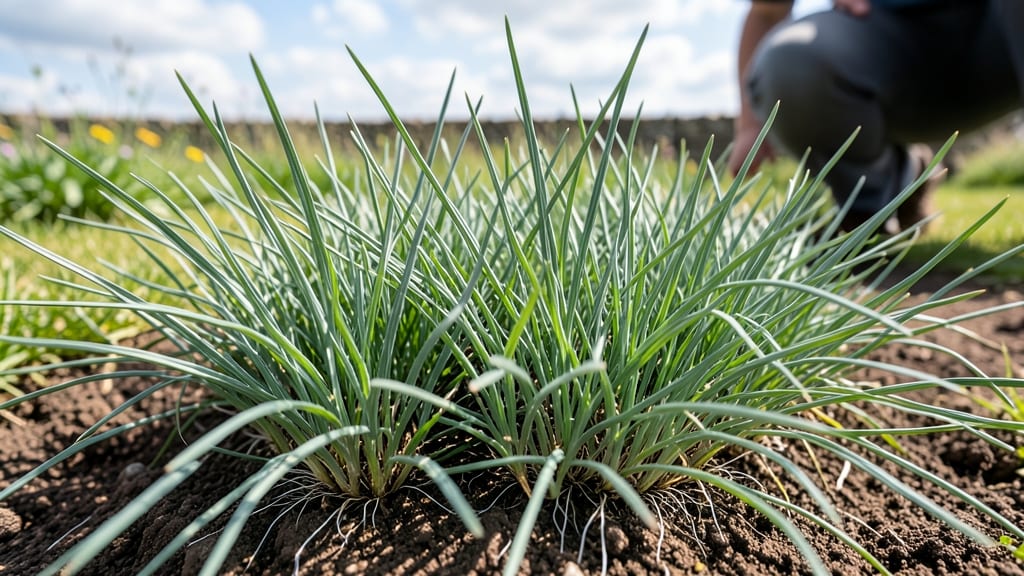
Kentucky Bluegrass grows between 6 and 24 inches tall, depending on the variety and how you care for it—so if you’re dreaming of that classic green lawn, the height you end up with is entirely in your hands.
Picture this: a Midnight variety stretching toward 2 feet in ideal conditions, while a NuGlade stays closer to 6 inches, perfect for low-maintenance yards. The difference? Variety, soil, and how often you mow.
Too much height can mean more mowing, but too short and your lawn might look patchy. The trick is finding that balance—whether you’re aiming for a golf-course look or a relaxed meadow vibe.
Below, I’ll break down how to manage its growth, from mowing tips to soil secrets, so you get the perfect height for your yard without the guesswork.

Kentucky bluegrass height by variety: short vs tall growing types
Choosing the right Kentucky bluegrass variety depends on your lawn goals. Some varieties stay short and dense—ideal for golf greens—while others grow taller, perfect for parks or casual backyards. Understanding these differences helps you pick the best fit for your space and maintenance style.
Most Kentucky bluegrass varieties mature between 12 and 24 inches tall, but some stay as short as 6 inches when properly maintained. The key difference lies in genetics and how you manage the grass, including mowing height and fertilization practices.
Here’s how popular varieties compare in height and suitability for different lawn types:
| Variety | Mature Height | Best For | Mowing Height |
|---|---|---|---|
| Midnight | 12–18 inches | Home lawns, parks | 2–2.5 inches |
| NuGlade | 6–12 inches | Golf courses, sports fields | 1–1.5 inches |
| Baron | 18–24 inches | Large lawns, meadows | 3–3.5 inches |
| Baroness | 10–16 inches | Residential lawns, shade tolerance | 2 inches |
| Arizona Common | 12–20 inches | Drought-prone areas | 2.5–3 inches |
The NuGlade variety is my top pick for tight spaces or high-traffic areas because its shorter stature stays dense and recovers quickly from wear. Meanwhile, Baron thrives in open fields where taller grass can handle foot traffic and still look lush.
For home lawns, I recommend Midnight or Baroness—both balance height and durability. If you’re in a drought-prone area, Arizona Common grows taller but uses water more efficiently once established.
Remember, even tall-growing varieties like Baron can be kept shorter with regular mowing, but cutting too low weakens the grass and invites weeds. Always leave at least 2 inches of growth to protect the roots.
If you’re unsure which variety to choose, consider your lawn’s primary use. Golf courses and sports fields favor short, dense types like NuGlade, while parks and backyards often opt for taller, more resilient options like Baron or Midnight.
Pro tip: Test a small patch of different varieties in your yard before committing. Soil conditions and local climate can shift height expectations by up to 20%—so always adjust mowing and care based on your results.
🌱
How to control Kentucky bluegrass height: mowing, fertilizing, and seasonal tips
Once you’ve chosen your Kentucky bluegrass variety, the real work begins—keeping it at the perfect height for your yard’s needs. Too short, and your lawn looks stressed; too tall, and you’re battling weeds and extra mowing.
The secret? A mix of consistent mowing, smart fertilizing, and seasonal adjustments. I’ve learned the hard way that skipping these steps can turn your dream lawn into a high-maintenance headache.
Start with the mowing height, which is the single biggest factor in controlling growth. For most varieties, aim for 2.5 to 3.5 inches—this keeps the grass dense and discourages weeds.
But if you’re growing a tall variety like Midnight, you might let it reach 4 inches for a more natural look. The key is never to remove more than one-third of the blade height in a single mow, or you’ll shock the grass.
- 1. Mow regularly: Never let Kentucky bluegrass grow more than 4 inches tall before trimming. Weekly mowing in peak growing months keeps it manageable.
- 2. Adjust mower height: Set your mower blade to 2.5–3.5 inches for standard varieties. Taller blades (up to 4 inches) work for drought-resistant types.
- 3. Fertilize in layers: Apply a balanced 10-10-10 fertilizer in early spring and fall to encourage steady growth, not sudden spikes.
- 4. Water deeply: 1 inch per week promotes deep roots, which naturally stabilize height. Shallow watering leads to weak, tall growth.
- 5. Seasonal tweaks: Reduce mowing in winter (let it grow slightly taller) and increase frequency in summer to prevent heat stress.
Fertilizing plays a huge role in height control, but timing is everything. I’ve found that a light feeding in spring (when grass is actively growing) and a heavier feed in fall (to strengthen roots) keeps growth predictable.
Avoid over-fertilizing in summer—this causes rapid, weak growth that flops over in heat. Stick to a 10-10-10 blend applied every 6–8 weeks during the growing season.
Seasonal changes demand flexible adjustments. In spring and fall, when growth is steady, mow every 5–7 days to maintain your target height. But in summer’s heat, reduce mowing frequency to once a week and raise the blade slightly to shade the soil and retain moisture.
In winter, let the grass grow a bit taller (up to 3.5 inches) to protect it from frost and compaction.
Watch for weed invasion if you let Kentucky bluegrass get too tall—weeds like crabgrass thrive in thin, overgrown areas. My trick? Set a weekly mowing reminder and always mow when the grass is dry (never wet, or you’ll tear the blades).
And if you notice bare spots, overseed in early fall for a thick, weed-resistant lawn.
Remember, the goal isn’t just a specific height—it’s a healthy, resilient lawn. By mastering these simple steps, you’ll spend less time struggling with overgrowth and more time enjoying your perfect green space. 🌱