
How To
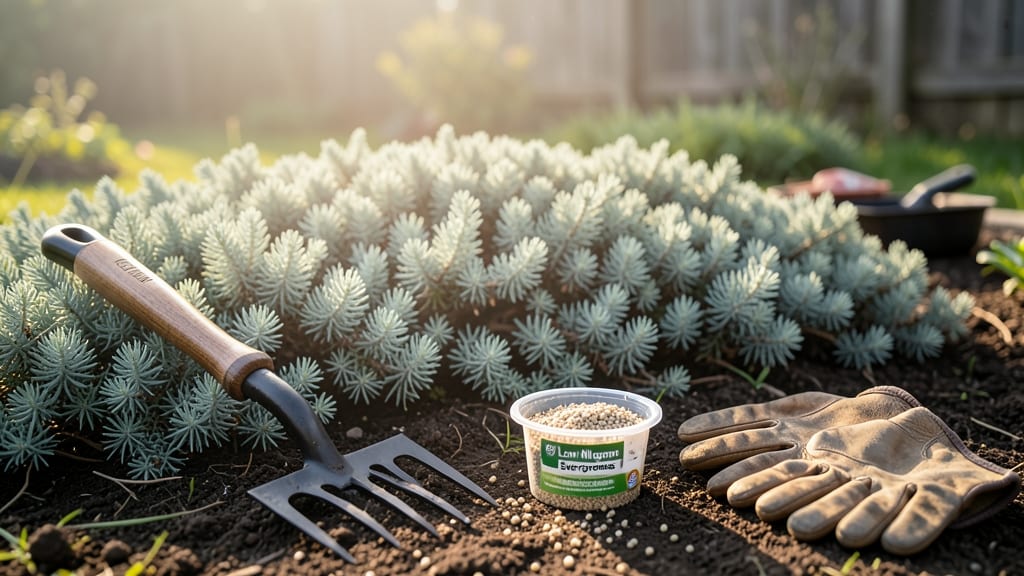
To fertilize junipers at the right time means feeding them just as they wake up from dormancy or prepare for it — a timing trick that makes all the difference for their health.
Picture this: You’ve planted your 🌲 junipers in well-draining soil, and they’ve been growing steadily.
But then you notice yellowing needles or stunted growth, and you wonder, Did I miss the best window? The truth is, fertilizing too early or too late can actually harm them, especially in USDA Zone 6a climates where seasons shift sharply.
Most gardeners swear by early spring as the ideal time to fertilize junipers, but there’s more to it than just one season. Fall can also be a smart move, depending on your climate and the type of fertilizer you’re using.
The key is understanding how junipers respond to nutrients at different times of year — and avoiding common mistakes that can leave your shrubs looking stressed instead of thriving.
In this guide, I’ll walk you through the best times to fertilize junipers, how to choose the right fertilizer, and what to watch for to keep your 🌲 junipers healthy and vibrant year-round.
Best times to fertilize junipers for optimal growth
Junipers are hardy plants, but their growth depends heavily on proper fertilization timing. Unlike many plants, junipers don't need frequent feeding—they thrive with light, strategic applications at the right times.
The two best windows are early spring and late fall, but the exact timing varies by climate and juniper type.
For most regions, late winter to early spring (February through April) is ideal because this aligns with the plant's natural growth cycle. Junipers wake up from dormancy and need nutrients to support new foliage and root development.
In warmer climates, you might adjust to March or April to avoid heat stress.
Fall fertilization is less common but beneficial in cooler climates (USDA Zones 5-7). A light application in September or October helps junipers store nutrients for winter. Skip fall feeding in southern regions where winters are mild, as this can encourage late-season growth that won't harden off properly.
Climate matters most. In northern zones (3-5), aim for late April to early May when soil temperatures rise above 50°F (10°C). In southern zones (8-10), fertilize in January or February to avoid summer heat stress. Always check soil moisture—never fertilize dry or compacted soil.
Species-specific needs also play a role. Blue junipers (Juniperus scopulorum) and creeping junipers (Juniperus horizontalis) benefit from lighter, more frequent applications (every 8-12 weeks), while eastern red cedars (Juniperus virginiana) tolerate longer intervals (once per year) due to their hardiness.
For newly planted junipers, hold off on fertilization for the first 6-12 months unless the soil is extremely poor. Focus instead on watering deeply and mulching with organic matter to establish roots.
Once established, a balanced 10-10-10 fertilizer (equal parts nitrogen, phosphorus, potassium) works well, but half-strength applications are safer.
If your juniper shows signs of nutrient deficiency—like yellowing needles or sparse growth—a light spring application can help. However, over-fertilizing causes needle burn and root damage. Always water thoroughly before and after applying fertilizer to prevent salt buildup in the soil.
In container-grown junipers, fertilization needs are slightly different. These plants have limited root space, so use a slow-release fertilizer every 3-4 months during the growing season. Flush the soil with water after each application to prevent salt accumulation, which is especially critical in pots.
Pro tip: Test your soil before fertilizing. Junipers prefer slightly acidic to neutral soil (pH 6.0-7.5). If your soil is already rich in nutrients, you might skip fertilization entirely and focus on organic amendments like compost instead.
Remember, junipers are low-maintenance plants. When in doubt, less fertilizer is better. A healthy juniper grows slowly but steadily—patience and proper timing are your best tools for success. 🌲
Signs your juniper needs fertilizer and how to choose the right type
Your juniper may be silently begging for nutrients if you notice yellowing needles that don't turn brown. This chlorosis often signals nitrogen deficiency, while sparse foliage or stunted growth points to broader nutrient shortages. Even brown needle tips can indicate phosphorus or potassium deficiencies, especially if paired with slow growth.
Another red flag is excessive needle drop during warm months, which may mean your juniper isn't getting enough micronutrients like iron or manganese. If you see thin, leggy growth with long spaces between branches, your plant might be starving for nutrients to support dense, healthy foliage.
Before reaching for fertilizer, test your soil pH—junipers prefer acidic to neutral soil (pH 6.0-7.5). If your soil is too alkaline, nutrients like iron become unavailable even if they're present.
A simple home soil test kit ($10-$20) can reveal whether your juniper's struggles stem from poor nutrient uptake rather than a lack of fertilizer.
When to Fertilize Junipers: Pros & Cons
✅ DO Fertilize When...
- Early spring (March-April) for new growth
- Soil test shows low nutrients (NPK < 5)
- Needles are pale yellow (nitrogen deficiency)
- Slow growth despite good sunlight
❌ DON'T Fertilize When...
- Summer heat (stresses roots)
- Soil is waterlogged or drought-stressed
- Needles are brown/brittle (over-fertilization)
- Plant is recently transplanted (<1 year)
For organic options, consider fish emulsion (10-5-5 NPK) or composted manure, which improve soil structure while feeding your juniper. My go-to is slow-release organic pellets like Espoma's Holly-Tone, which provide balanced nutrients over 3-4 months without risking burn.
Synthetic fertilizers like 10-10-10 or 5-10-10 blends work well for quick fixes, but measure carefully—junipers are sensitive to salt buildup. Always water deeply before and after applying synthetic fertilizers to protect roots. For micronutrient deficiencies, look for chelated iron or manganese supplements.
Remember: Less is more with junipers. A light feeding every 6-8 weeks during growing season (spring-fall) is better than heavy applications. Over-fertilizing causes salt buildup, which damages roots and leads to needle burn—a common mistake that kills junipers faster than nutrient deficiencies ever could.