
How To
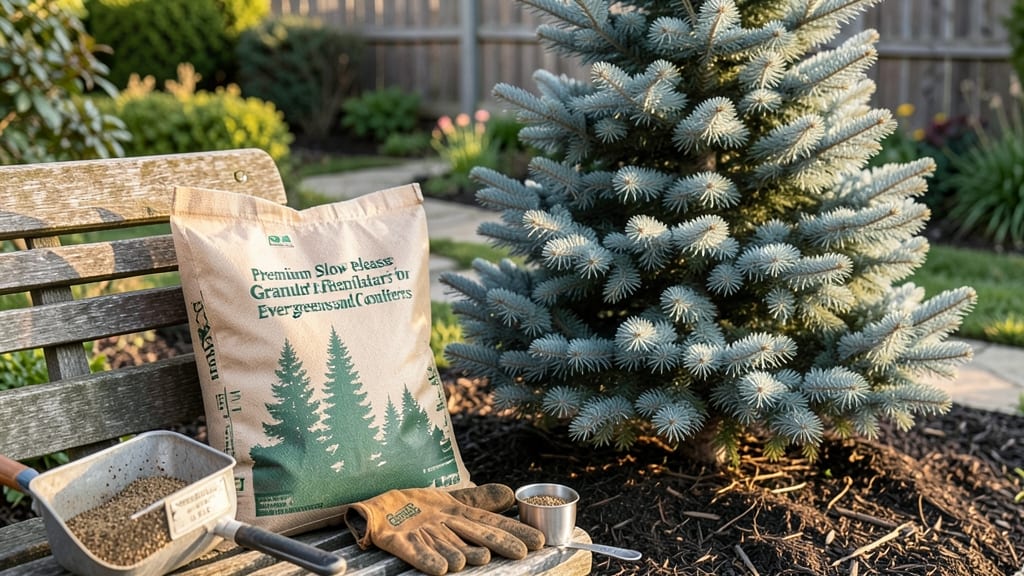
To fertilize a blue spruce 🌲 at the right time means catching it just as the roots wake up in early spring or after the summer heat has passed.
If you’ve ever watched your blue spruce’s needles turn dull or growth slow down, you’re not alone—this is often a sign the tree needs nutrients, but the timing is everything.
Most gardeners skip fertilizing in summer, but late summer can actually be a critical window for a second light feeding, depending on your zone. In 6a, early spring is the best time to kickstart growth, while southern regions may stretch that window into late fall.
Below, I’ll break down the exact schedule, the right fertilizers for blue spruce, and how to spot when you’ve overdone it—so your tree stays healthy and thriving year after year.
Best times to fertilize blue spruce trees for optimal growth
Fertilizing your blue spruce at the right time ensures vibrant growth and prevents stress. The best windows are early spring and late fall, when soil temperatures and root activity align perfectly with your tree's natural cycles. Skipping these timings can lead to nutrient waste or even harm your tree.
Blue spruce trees thrive when fertilized pre-bud break in spring, typically between March and April, depending on your USDA zone. In colder regions (zones 3-5), wait until soil warms to 50°F (10°C)—this triggers root activity and nutrient uptake.
Southern zones (6-8) can fertilize as early as February.
Late fall fertilization is less common but beneficial in zones 6-8 to prepare roots for winter. Apply a light dose of fertilizer in October or November, before the first frost. This helps store nutrients for early spring growth without encouraging late-season flushes that can damage tender new growth.
Here’s a quick reference to guide your timing based on climate and tree needs:
In USDA zones 3-5, prioritize early spring fertilization to compensate for shorter growing seasons. Use a slow-release fertilizer with a 5-10-10 NPK ratio to avoid burning roots in cold soils. For example, apply 2–3 lbs per 100 sq ft in early April when soil thaws.
Southern climates (zones 6-8) can extend fertilization to late winter (January–February) if your tree shows signs of nutrient deficiency. However, always test soil pH first—blue spruce prefers acidic soil (pH 4.5–6.0). If your soil is alkaline, amend it with sulfur or peat moss before fertilizing.
Avoid fertilizing during summer droughts or winter dormancy, as this stresses the tree. Over-fertilization in summer can lead to burnt needles or sparse growth, while winter applications may not be absorbed due to cold soil. Instead, focus on mulching in fall to retain moisture and nutrients.
For newly planted blue spruce (under 3 years old), reduce fertilizer by half and monitor closely. Young trees have delicate root systems and are more susceptible to fertilizer burn. Use a low-nitrogen fertilizer (e.g., 3-4-6 NPK) to encourage root development without excessive top growth.
Pro tip: Water your blue spruce deeply 24 hours before fertilizing to help distribute nutrients evenly. This is especially critical in sandy soils, where nutrients leach quickly. In clay soils, consider a mycorrhizal fungus treatment to improve nutrient uptake.
By aligning fertilization with your blue spruce’s natural growth cycles, you’ll promote healthier foliage, stronger branches, and longer lifespan. Consistency is key—stick to this schedule, and your tree will reward you with deep blue needles for decades.
How to choose the right fertilizer for blue spruce trees
Blue spruce trees thrive with the right fertilizer, but not all options work equally well. These evergreens prefer a balanced, slow-release formula to avoid nutrient burn or rapid growth spurts that weaken their structure.
Organic options like compost or fish emulsion provide steady nutrients, while synthetic fertilizers offer precise NPK ratios tailored to conifers.
For blue spruce, I recommend a 5-10-10 or 6-12-12 ratio—this means more phosphorus and potassium to support root development and drought resistance, with just enough nitrogen for foliage health. Avoid high-nitrogen fertilizers (like 30-0-0), which can cause needle burn or excessive soft growth.
When to Fertilize Blue Spruce
✅ Early spring (March-April) kickstarts growth
❌ Over-fertilizing causes needle browning
✅ Late summer (August) supports root recovery
❌ Fall applications risk winter burn
✅ Organic options improve soil long-term
❌ Synthetics require precise application
Slow-release fertilizers are my top pick for blue spruce because they mimic natural nutrient cycles. Products like Espoma Tree Tone or Osmocote Smart-Release (15-9-12) provide balanced nutrition over 3-6 months, reducing the risk of root damage.
For organic gardeners, composted bark or worm castings work well when worked into the soil in early spring.
If you’re using synthetic fertilizers, opt for coated granules or spikes designed for trees. These dissolve gradually, preventing sudden nutrient spikes. Always follow the package instructions—blue spruce are sensitive to salt buildup, so water thoroughly after application to leach excess salts from the root zone.
For young blue spruce (under 5 years old), I recommend half-strength applications every 2-3 years. Mature trees can handle full-strength fertilizer annually, but always check for signs of stress first.
If your tree’s needles are yellowing or falling prematurely, it might need nutrients—but it could also signal over-fertilization or poor drainage.
Pro tip: Mix a handful of sulfur into the soil if your blue spruce shows signs of chlorosis (yellowing needles). This helps correct alkaline soil issues common in many regions. Always test your soil’s pH before fertilizing—blue spruce prefer acidic soil (pH 5.0-6.5).