
Fertilization
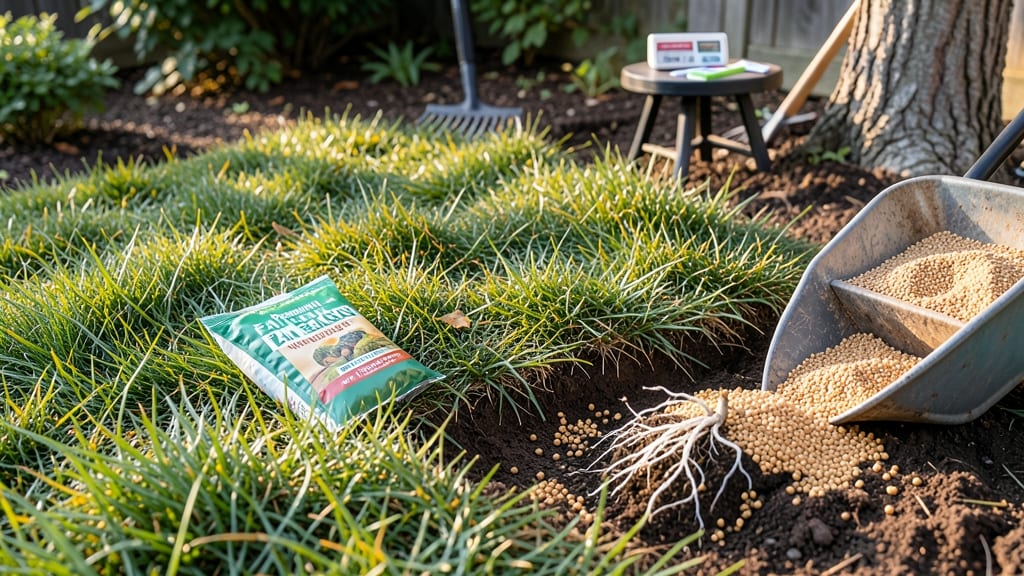
Fertilizing your grass in fall at the right time—late September—is the best way to give your lawn a head start for spring.
Picture this: You’ve spent all summer mowing, watering, and hoping for the best, only to see your lawn turn patchy by winter. That’s because most homeowners miss the critical window when grass roots need that extra boost to survive the cold.
A little late-season feeding now means a thicker, greener lawn when warmer weather rolls around.
But timing isn’t the only factor—soil temperature, grass type, and even your local climate play a role. Cool-season grasses like Kentucky bluegrass or fescue thrive with a light feeding in early fall, while warm-season grasses like Bermuda might need a different approach.
The key is balancing nutrition without overdoing it before winter dormancy.
In this guide, I’ll break down the exact late-September window (with regional tweaks), the right fertilizer type for root growth, and how to avoid common mistakes that waste time and money. By the end, you’ll know exactly when—and how—to fertilize for a lawn that wows next spring.

The perfect fall fertilization timeline for grass root strength
Timing your fall grass fertilization in late September is the golden window for root strengthening before winter dormancy. This 6-8 week window before your first frost lets grass absorb nutrients and build resilience for spring.
For USDA Zone 6 (like most of the Midwest), aim for September 20-30—but regional adjustments are key.
Your grass type matters too. Cool-season grasses (like Kentucky bluegrass or fescue) thrive with fall feeding, while warm-season grasses (like Bermuda or Zoysia) should skip it entirely. The goal? Encourage deep root growth without promoting late-season top growth that won’t harden off before frost.
Soil temperature is your best guide. Fertilize when daytime temps hover around 60-70°F but nights dip below 50°F. This signals your grass to shift from growth to root development. Use a soil thermometer—if temps stay above 65°F for weeks, delay fertilization to avoid weak, tender growth.
For northern climates (Zones 3-5), don’t wait past early October—your grass needs time to harden off before winter. In southern regions (Zones 8-10), warm-season grasses like St. Augustine won’t benefit from fall feeding. Instead, focus on light aeration and watering adjustments to prep for winter dormancy.
Pro tip: If your lawn shows yellowing or thinning in late summer, a light nitrogen boost in early September can jumpstart recovery before the fall fertilization window. But avoid heavy feeding—this can lead to fungal issues as temps drop. Aim for half the spring dose of fertilizer in fall.
After fertilizing, water deeply to help nutrients reach roots. Use 1 inch of water over 24 hours (split into two sessions if needed). This prevents runoff and ensures your grass absorbs the phosphorus and potassium it needs for root strength.
Avoid fertilizing if rain is forecasted within 48 hours—you’ll just wash away your investment.
Watch for soil compaction after watering. If your lawn feels spongy when walked on, aerate first (2-4 weeks before fertilizing) to let nutrients penetrate deeper. Compacted soil blocks root growth, making fall fertilization far less effective. Rent a core aerator or use a garden fork for smaller areas.
Finally, mow one last time before fertilization if your grass is overgrown. Set your mower to its highest setting to reduce stress on the lawn. This also helps the fertilizer reach the soil more efficiently.
For cool-season grasses, this final mow should be 2-3 weeks before your first frost to allow time for recovery.
Remember: The goal of fall fertilization isn’t green, lush growth—it’s strong roots. You’ll see the payoff next spring when your lawn greens up 2-3 weeks earlier than neighbors who skipped this step.
Mark your calendar now for late September and give your grass the head start it deserves! 🌱
How to choose the right fall fertilizer for maximum root growth
Choosing the right fall fertilizer isn’t just about throwing down some granules—it’s about giving your grass the exact nutrients it needs to strengthen roots before winter. The key lies in understanding NPK ratios, release types, and whether to go organic or synthetic.
For fall, we prioritize phosphorus (P) to encourage deep root growth, while avoiding excess nitrogen that can promote weak, top-heavy growth before dormancy.
Most cool-season grasses like Kentucky bluegrass and fescue thrive with a low-nitrogen, high-phosphorus fertilizer (like a 5-10-10 or 10-20-10 ratio). This helps roots expand and store energy for spring.
Warm-season grasses, however, may need a lighter touch—just enough to support existing roots without stimulating new growth too late in the season.
Now, let’s talk release types. Slow-release fertilizers are ideal for fall because they feed your lawn steadily over 8-12 weeks, avoiding the risk of over-fertilization before winter. Quick-release options, while faster-acting, can burn roots if applied too close to freezing temps.
Organic options like composted manure or bone meal also work well—they improve soil structure while providing phosphorus.
Here’s a quick breakdown of your best bets for fall fertilization, weighing the pros and cons to help you decide:
Top Fall Fertilizer Options
| Option | Pros | Cons |
|---|---|---|
| Slow-Release Synthetic (e.g., Milorganite) | Steady nutrient release; low burn risk; easy to apply | Higher cost; chemical-based |
| Organic (e.g., Bone Meal) | Improves soil health; natural phosphorus boost | Slower results; may attract pests |
| High-Phosphorus Synthetic (e.g., 10-20-10) | Fast root growth; precise NPK control | Risk of over-application; less soil improvement |
For most homeowners, a slow-release synthetic like Milorganite is the safest bet—it’s balanced for fall and won’t overwhelm your lawn. If you prefer organic, bone meal is a great phosphorus source, but mix it into the soil a few weeks before applying to avoid clumping.
Always follow the label rates—fall feeding should be lighter than spring applications.
One last tip: Pair your fertilizer with aeration in early fall. This opens up soil pores, letting nutrients reach roots more efficiently. Think of it as giving your lawn a deep-tissue massage before winter hibernation.
With the right fertilizer and timing, your grass will wake up stronger next spring, ready to outcompete weeds and handle summer stress.
🌱