
How To
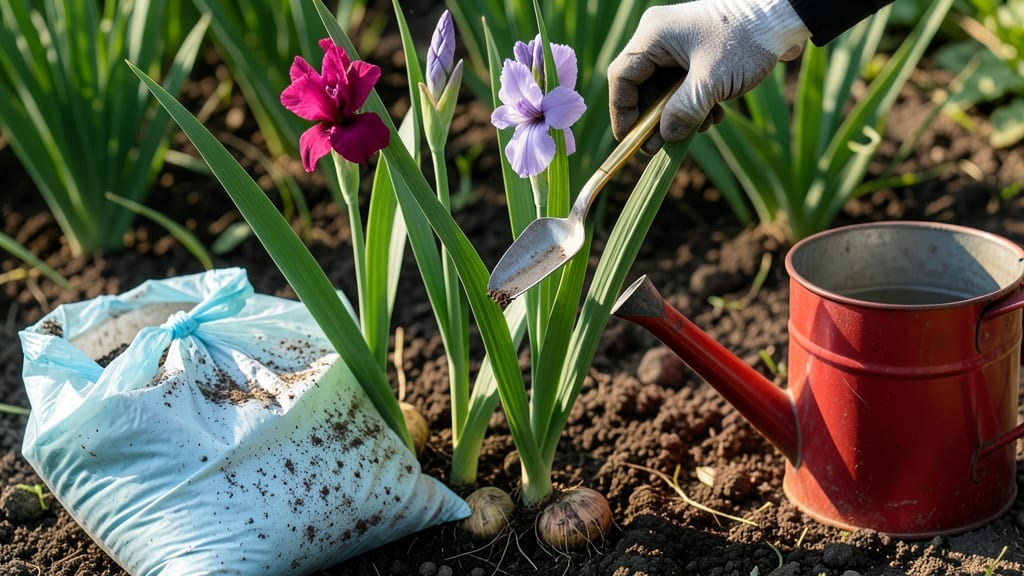
To fertilize gladiolus at the right time means catching three key growth stages—before planting, during early shoot growth, and when buds form—and missing any one can leave you with weak stems or underwhelming blooms.
Struggling to get your gladiolus blooms to stand out? Timing your fertilizer application could be the game-changer you need—miss these critical windows, and you risk weak stems or lackluster flowers.
Gladiolus 🌸 thrive when fed strategically, not just randomly. The first feeding happens at planting to jumpstart root growth, while the second and third come as shoots emerge and buds swell—each stage demands a different nutrient focus.
In this guide, I’ll break down the exact when, what, and how of fertilizing gladiolus, from organic options to avoiding overfeeding mistakes that even experienced gardeners make.
3 Critical fertilization stages for gladiolus growth & bloom
If you've ever planted gladiolus corms and ended up with weak stems or dull blooms, your fertilization timing might be the culprit. Gladiolus thrive on precise nutrient delivery at specific growth stages—miss these windows, and you'll struggle to get those show-stopping spike-like flowers you love.
The secret lies in understanding three key fertilization phases that align with their natural growth cycle.
Think of gladiolus growth like a three-act play: pre-planting prep, early vigor boost, and bloom spectacular. Each act requires different nutrients to fuel the next stage. For example, phosphorus-rich fertilizers at planting encourage strong root systems, while potassium-heavy feeds later support flower development.
Let's break down exactly when and how to feed your gladiolus for maximum impact.
-
1
Pre-Planting Stage (4-6 weeks before last frost)
Apply balanced 10-10-10 fertilizer at planting depth -
2
Early Growth Stage (When shoots reach 6 inches)
Side-dress with high-nitrogen 20-5-10 for foliage -
3
Bloom Stage (When flower buds form)
Use potassium-rich 5-10-15 to prevent bud drop
The first critical window opens right at planting time. Before you even see those first green shoots, your gladiolus corms are waking up from dormancy and need an immediate nutrient kickstart.
Mix a slow-release 10-10-10 fertilizer into the planting hole—this provides the perfect N-P-K balance (nitrogen for leaves, phosphorus for roots, potassium for overall health) to set your plants up for success.
Pro tip: If your soil tests show low phosphorus (below 20 ppm), add a bone meal side dressing for extra root development.
Once your gladiolus reach the 6-inch shoot stage, it's time for the second fertilization boost. This is when your plants are entering their rapid growth phase, and they'll need more nitrogen to build that lush foliage.
Switch to a 20-5-10 fertilizer and apply it as a side dressing—about 2 inches away from the stem—to avoid direct root contact that could burn tender growth.
I like to do this in early June when my gladiolus are really putting on size, and the results in stronger stems are noticeable within weeks.
Here's where many gardeners go wrong: they stop fertilizing when the flower buds appear. But this is actually the most critical feeding stage! Your gladiolus are now directing energy toward bloom production, and they need extra potassium to prevent bud drop and support vibrant colors.
Use a 5-10-15 fertilizer (lower nitrogen to prevent leafy growth at the expense of flowers) and apply it when you first see those tight flower buds forming. For my pink 'White Wings' gladiolus, this timing makes the difference between pale, weak blooms and show-stopping color.
Let me share a personal lesson I learned the hard way: I once fertilized my gladiolus too late in the season, thinking they didn't need more nutrients. What resulted were short, weak stems that couldn't support the flower spikes properly.
The moral? Don't skip the bloom-stage feeding—it's what transforms good gladiolus into garden showstoppers. And remember, always water deeply after fertilizing to help nutrients reach those developing roots.
One question I get asked often is whether to use organic or synthetic fertilizers for gladiolus. Both work, but the timing adjustments are key. Organic options like composted manure or fish emulsion release nutrients more slowly, so you'll need to apply them 2-3 weeks earlier than synthetic fertilizers.
For example, if you're using fish emulsion, apply it when shoots are 4 inches tall instead of waiting for 6 inches. The nutrient ratios also differ—organic options often have lower immediate nitrogen, so you might need to apply slightly more volume to match the 20-5-10 synthetic equivalent.
For gardeners in warmer climates (Zones 8-10), the fertilization timeline shifts slightly. Since your growing season extends later, you can push the second feeding into early July and the bloom-stage feed to August.
The key is to always fertilize when you see new growth or flower bud formation, rather than sticking to calendar dates. In cooler zones (Zones 3-6), aim to complete all fertilizing by mid-August to allow plants to harden off before frost.
Let's talk about what happens when you miss these fertilization stages. Skipping the pre-planting feed often results in poor root development, leading to plants that flop over under their own weight.
Missing the early growth stage means your gladiolus will produce smaller leaves and weaker stems, while neglecting the bloom stage leads to bud drop and underwhelming flowers. I've seen gladiolus that looked healthy until they failed to bloom properly—
Fertilizer types & application methods for maximum impact
Choosing the right fertilizer type and application method can transform your gladiolus from mediocre to show-stopping. The delicate gladiolus roots need careful handling—too much synthetic fertilizer can burn them, while organic options release nutrients more gently over time.
For gladiolus, I recommend starting with a balanced 10-10-10 NPK ratio fertilizer at planting, then switching to a phosphorus-heavy 5-10-10 when buds form. This shift supports both root development and flower production without overwhelming the plant.
Here’s how the two main fertilizer categories compare for gladiolus care:
| Type | Best For Stage | Application Method | Pros | Cons |
|---|---|---|---|---|
| Organic (Compost, Bone Meal, Fish Emulsion) | Early Growth & Bloom | Granular (mixed into soil) or Liquid (foliar spray) | Gentle nutrient release, improves soil health | Slower results, requires more frequent applications |
| Synthetic (10-10-10, 5-10-10) | Planting & Mid-Season | Granular (side-dressing) or Liquid (soil drench) | Fast-acting, precise nutrient control | Risk of root burn if overapplied |
When applying granular fertilizers, I always use the side-dressing method—sprinkle 1 tablespoon of fertilizer 2-3 inches away from the plant stem and water it in. For liquid fertilizers, dilute to half-strength and apply in the early morning to prevent leaf burn from the sun.
Never fertilize gladiolus after the first frost or when buds are already open—this can lead to nutrient imbalance and reduce flower quality. Instead, focus on feeding during the three critical windows: planting, early shoot growth, and bud formation.
For organic gardeners, I swear by fish emulsion during bud formation—it provides quick phosphorus for blooms while adding beneficial microbes to the soil. Synthetic users should stick to slow-release granules to avoid overloading the plant’s system.
Pro tip: Always water your gladiolus before applying fertilizer. This helps distribute nutrients evenly and prevents root damage from concentrated salts.