
How To
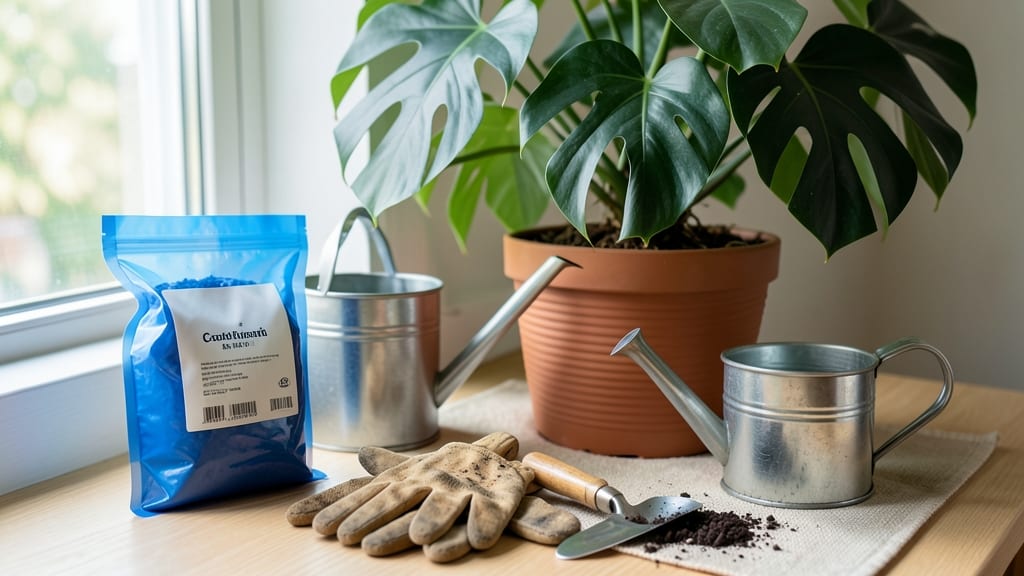
Fertilizing after repotting should wait 4-6 weeks to let your General Houseplant 🌿 recover and establish strong roots.
Repotting your plants gives them a fresh start—but fertilizing too soon can shock new roots and stunt growth. Timing matters more than you think, and a simple 4-6 week wait can mean the difference between thriving foliage and struggling survival.
When you repot, you disrupt the delicate balance of roots and soil, and the plant needs time to adjust. Fertilizer introduces salts and nutrients that can burn tender new roots, slowing down recovery instead of helping it.
In this guide, I’ll explain why waiting is crucial, how to tell when your plant is ready for fertilizer, and the best types of fertilizer to use for a smooth transition back to growth.
Why you should wait 4-6 weeks before fertilizing repotted plants
Repotting your plants is like giving them a fresh home, but their root systems need time to recover before handling extra nutrients. When you repot, you disrupt the delicate balance of roots, often causing transplant shock.
This stress makes plants more vulnerable to fertilizer burn, a condition where excess salts and minerals damage tender new roots.
The first 2-4 weeks after repotting are critical for root regrowth. During this time, your plant focuses all its energy on repairing damaged roots and establishing connections with the new soil. Adding fertilizer too soon can overwhelm these fragile roots, leading to stunted growth or even plant death.
Here’s the science behind it: Roots need to develop a network of fine root hairs to absorb nutrients efficiently. Without this network, fertilizer salts sit in the soil, creating a hypertonic solution that pulls moisture out of the roots—essentially dehydrating them from the inside out.
Think of it like rebuilding a house. You wouldn’t move in new furniture before the foundation is solid, right? The same logic applies to your plants.
The 4-6 week waiting period gives roots time to strengthen and spread into the new soil, ensuring they can handle the added nutrients without stress.
Root growth stages after repotting follow a predictable timeline. In the first 2 weeks, roots begin to explore the new soil but remain delicate. By 4 weeks, they’ve established a more robust network, and by 6 weeks, they’re ready to absorb nutrients efficiently. This timeline varies slightly by plant type, but it’s a safe rule of thumb for most houseplants.
| Root Recovery Stage | Timeframe After Repotting | Root Condition | Fertilizer Recommendation |
|---|---|---|---|
| Initial Recovery | 0-2 Weeks | Delicate, exploring new soil | No fertilizer; focus on watering |
| Early Regrowth | 2-4 Weeks | Fine roots developing | Light organic compost tea (1/4 strength) |
| Established Network | 4-6 Weeks | Roots spread into new soil | Balanced liquid fertilizer (1/2 strength) |
| Full Recovery | 6+ Weeks | Strong, healthy root system | Full-strength fertilizer as needed |
Some gardeners worry that waiting too long means missing out on growth opportunities, but patience pays off. Plants that receive fertilizer too early often show signs of stress, like yellowing leaves, brown leaf tips, or slowed growth.
These symptoms indicate nutrient overload, where the plant can’t process the fertilizer efficiently.
Instead of rushing, observe your plant’s progress. Healthy new growth—like bright green leaves or increased stem thickness—is a clear sign that roots are recovering. This natural growth spurt means your plant is ready to benefit from gradual nutrient introduction, typically starting with a diluted fertilizer solution.
Even fast-growing plants like pothos or spider plants benefit from this waiting period. Their rapid growth is fueled by established roots, not by forcing nutrients into a system that’s still healing.
For slow-growing varieties, like snake plants or zz plants, the 6-week wait ensures their roots have ample time to adjust to the new environment.
If you’re still unsure, consider this: root health is the foundation of all other plant care. Skipping the waiting period might seem like a shortcut, but it often leads to long-term problems.
By giving your plants the 4-6 weeks they need, you’re setting them up for stronger growth, better resilience, and a longer, healthier life.
Once you’ve reached the 6-week mark, you can reintroduce fertilizer gradually. Start with a half-strength solution and monitor your plant’s response closely. This cautious approach ensures your plant thrives without the risk of overloading its newly recovered root system.
Signs your plant is ready for fertilizer after repotting
After repotting, your plant enters a delicate recovery phase where its roots need time to establish without added stress. Fertilizing too early can overwhelm these tender roots, leading to fertilizer burn or stunted growth. Instead, watch for these key indicators that your plant has recovered and is ready for nutrients.
First, observe the growth of new leaves—this is the most visible sign of root recovery. Healthy new foliage means your plant's roots have begun exploring their new space and are ready to support more vigorous growth.
Look for leaves that are firm, vibrant in color, and positioned upright rather than wilting.
Next, check the soil surface for changes. If the top layer of soil remains dry between waterings, this suggests your plant's roots have expanded enough to access moisture more efficiently.
A slightly firmer soil texture near the edges of the pot also indicates root growth, as they begin to anchor the plant more securely.
For plants in clear pots or containers, you can directly observe root growth. If you see a dense network of white or pale roots spreading through the soil, this means your plant has established a strong foundation and is ready for fertilization.
Avoid fertilizing if roots still appear sparse or brownish.
🌱 Key Takeaway: When to Fertilize After Repotting
- ✅ New leaf growth: 2-4 vibrant leaves signal readiness
- ✅ Root visibility: Dense white roots in clear pots
- ✅ Soil texture: Firmer near pot edges, dries faster
- ✅ Time elapsed: Minimum 4-6 weeks post-repotting
💡 Pro Tip: Use a balanced fertilizer (10-10-10) at half-strength for the first feeding to avoid overloading new roots.
If your plant has dropped older leaves but is producing new ones, this is a natural part of recovery.
However, if you notice yellowing leaves or wilting despite new growth, delay fertilization until these issues resolve. Overwatering or poor drainage could be masking root stress, so ensure your pot has adequate drainage holes.
Finally, consider the plant type. Fast-growing plants like basil or coleus may recover quicker (3-4 weeks), while slower growers like snake plants or ferns might need up to 8 weeks. Always err on the side of caution—under-fertilizing is better than over-fertilizing during this critical phase.
Once you've confirmed these signs, introduce fertilizer gradually. Start with a light application (half-strength) and monitor your plant's response for the next 2 weeks. If new growth continues without stress, you can increase the dose slightly over time.