
Companion Plants
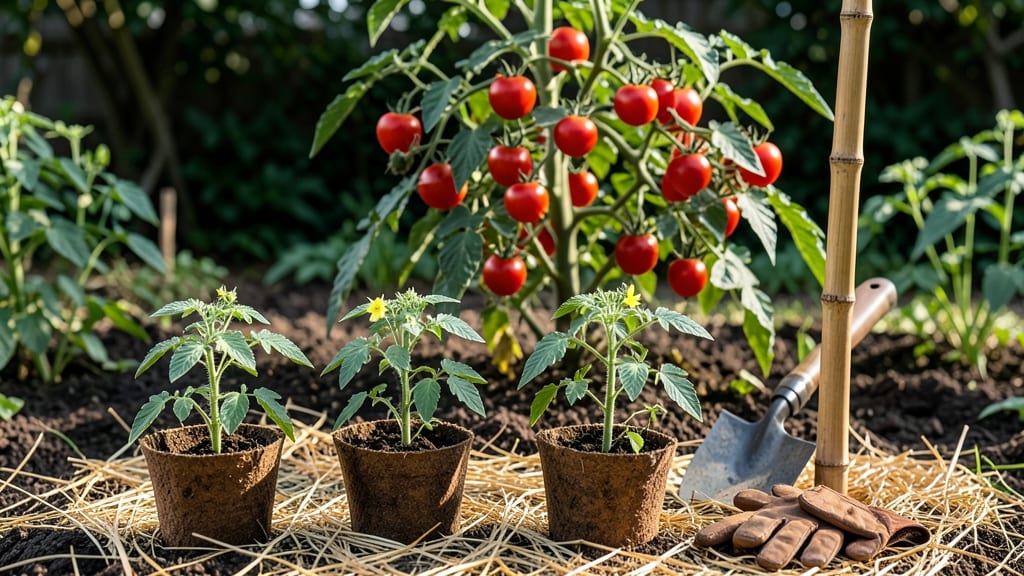
Planting tomatoes in Illinois at the wrong time can turn your hard work into wasted effort, especially in USDA Zone 5b where early starts risk bolting or late ones leave you scrambling for harvests before frost.
Picture this: you’ve nurtured seedlings for weeks, only to watch them bolt—sending up flower spikes instead of growing lush and leafy—because you planted too early. Or worse, you miss the window and end up with tiny, underripe tomatoes by October.
The difference between a bountiful harvest and a disappointing one often comes down to timing.
In Illinois, where last frost dates vary from mid-April in southern regions to early May in the north, knowing the exact window to plant tomatoes is the key to avoiding these pitfalls.
Whether you’re starting seeds indoors or transplanting young plants, soil temperature and local climate play a bigger role than many gardeners realize.
Below, I’ll break down the optimal planting times for Illinois, including how to calculate your exact start dates, the best soil temperature thresholds, and 5 proven methods to extend your growing season—so you can enjoy homegrown tomatoes from June through October without the stress.
Illinois USDA Zone 5b tomato planting deadlines to prevent bolting
Timing is everything when growing tomatoes in Illinois, especially in USDA Zone 5b where unpredictable weather can trigger bolting—when plants prematurely flower and set seed instead of producing fruit.
To avoid this, you need to align your planting with soil temperatures, last frost dates, and your specific location's microclimate. Miss these windows, and you risk bitter, small tomatoes—or worse, no harvest at all.
In Illinois, the last average frost date ranges from mid-April in southern Illinois (like Springfield) to early May in northern areas (like Chicago). However, soil temperature is the true deciding factor: tomatoes won’t thrive until the ground reaches at least 60°F (15.5°C).
Planting too early in cold soil stresses seedlings, making them vulnerable to disease and bolting. Use a soil thermometer to confirm readiness—don’t guess!
Bolting occurs when tomatoes sense stress from cold soil, temperature swings, or overcrowding. Once triggered, the plant shifts energy from fruit production to seed development, leaving you with small, hard, or flavorless tomatoes. The solution? Start seeds indoors 6-8 weeks before your last frost date (typically mid-March for Chicago or late February for Springfield) and transplant only after soil warms and nighttime temperatures stay above 50°F (10°C).
| Region | Last Frost Date | Soil Temp Threshold | Indoor Start Date | Outdoor Transplant Window |
|---|---|---|---|---|
| Northern IL (Chicago) | Early May | 60°F+ | Mid-March | Late May to early June |
| Central IL (Springfield) | Mid-April | 60°F+ | Late February | Early to mid-May |
| Southern IL (Carbondale) | Mid-April | 60°F+ | Late February | Early May |
Adjust dates 1-2 weeks earlier for microclimates (e.g., urban heat islands) or later for high-elevation areas.
For direct sowing (planting seeds outdoors), wait until two weeks after your last frost date and only when soil is consistently above 60°F. This minimizes bolting risk but shortens the growing season.
If you’re in northern Illinois, prioritize early-maturing varieties like 'Early Girl' (65 days) or 'Stupice' (50 days) to beat the first frost in October.
Pro tip: Use black plastic mulch to warm soil faster and extend your planting window by 1-2 weeks. Lay it down 2-3 weeks before transplanting to raise soil temperatures by 5-10°F.
Pair this with row covers for early-season protection against late frosts. These tricks let you plant earlier without bolting, giving your tomatoes more time to ripen before cold snaps.
If you’re unsure about your exact last frost date, check the National Weather Service or your local Cooperative Extension Service for hyper-local data. For example, Chicago’s last frost averages May 15, but in 2022, it occurred May 29—a 2-week delay that could ruin an early planting.
Always have a backup plan, like row covers, to protect seedlings if late frosts strike.
For fall tomatoes, start seeds indoors again in July and transplant by early August. Choose heat-tolerant varieties like 'Heatmaster' or 'Solar Fire' that can handle 90°F+ temperatures and still produce fruit before the first frost.
These late plantings often yield sweeter, more flavorful tomatoes because they ripen in cooler fall weather.
Remember: Staggered planting is your best friend in Illinois. Plant half your seedlings 2 weeks apart to ensure a continuous harvest. This spreads out the risk of bolting and gives you tomatoes from mid-July through October.
For example, if your last frost is May 15, plant half on May 15 and the other half on May 30.
Finally, monitor your plants for bolting signs: tall, leggy stems with yellow leaves or flowers appearing before the first fruit sets. If this happens, prune aggressively to remove flower clusters and redirect energy to foliage.
In severe cases, consider replacing bolting plants with new seedlings if time allows. With these deadlines and tips, you’ll avoid the heartbreak of wasted tomato plants and enjoy a bountiful, bolting-free harvest.
5 Proven methods to extend your Illinois tomato growing season
Illinois gardeners face a short growing season, but with the right strategies, you can push your tomato harvest well into fall. Zone 5b's 165 frost-free days demand creative solutions to maximize yields.
Whether you're dealing with late spring frosts or early autumn chills, these methods will help you grow tomatoes longer and more productively.
One of the simplest ways to extend your season is by using heat-tolerant tomato varieties like 'Heatmaster' or 'Solar Fire'. These varieties thrive in temperatures up to 95°F, making them perfect for Illinois summers.
Pair this with succession planting—sowing seeds every 2-3 weeks—to ensure a continuous harvest from June to October.
Here’s how to implement these methods effectively, along with cost and yield insights to help you decide what works best for your garden:
- 🌱 Cold Frames: Extend spring by 3-4 weeks and fall by 2-3 weeks. Cost: $50-$150; Yield: 20-30% more tomatoes.
- 🌿 Row Covers: Protect from late frosts and early chills. Cost: $20-$50; Yield: 15-25% increase.
- ⏰ Succession Planting: Stagger plantings every 2 weeks for continuous harvests. Cost: $10-$30 (seeds); Yield: 50% more tomatoes.
- 🌡️ Transplanting Schedule: Start seeds indoors 6-8 weeks before last frost. Cost: $20-$40 (seedlings); Yield: 25-40% higher success rate.
- ☀️ Heat-Tolerant Varieties: Choose 'Heatmaster' or 'Solar Fire' for summer resilience. Cost: $5-$15 per packet; Yield: 30-50% better in heat.
For example, cold frames can warm soil by 10-15°F, allowing you to plant tomatoes 3-4 weeks earlier in spring. A simple DIY cold frame made from a wooden box and plastic sheeting costs under $50 and can add 20-30% more tomatoes to your harvest by extending the season both ends.
If you're short on space, row covers are a game-changer. These lightweight fabrics protect plants from late frosts and even light frosts in early fall. For just $20-$50, you can shield your tomato plants and boost yields by 15-25%.
Just remember to remove covers during pollination to avoid trapping humidity.
Finally, heat-tolerant varieties like 'Celebrity' or 'Better Boy' are worth the slight upfront cost. While they may run $5-$15 per packet, their ability to thrive in Illinois’ summer heat ensures a 30-50% better yield compared to standard varieties. Pair these with drip irrigation to keep roots cool and consistent.
By combining these methods, you can turn Illinois’ short growing season into a tomato lover’s paradise. Start with one or two techniques this year, track your yields, and gradually add more for even better results. Happy gardening! 🌱