
How To
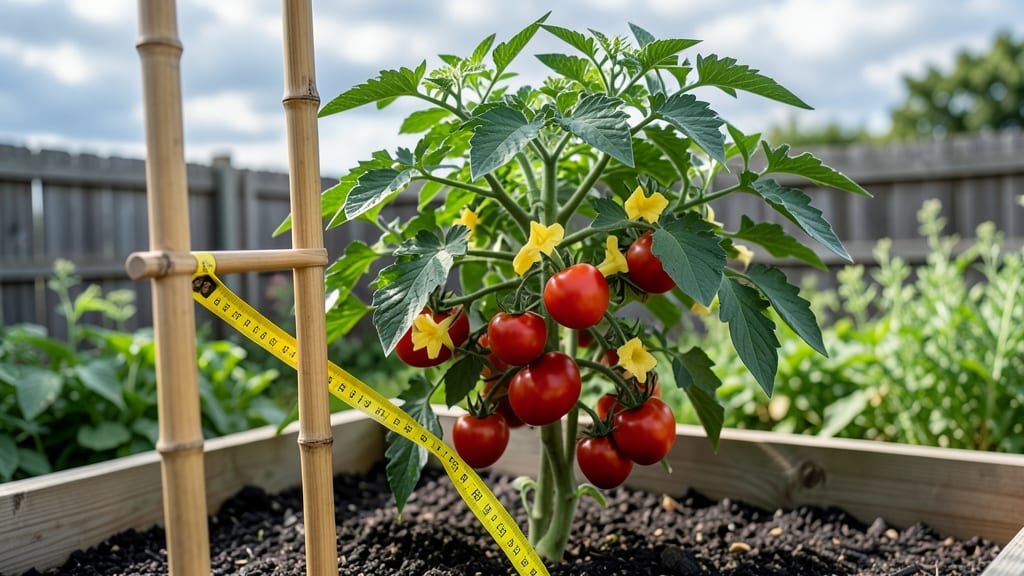
Beefsteak tomato plants grow between 4 and 6 feet tall at maturity, towering like living fruit towers in your garden 🍅 — but their height depends on the variety, your pruning habits, and the support you give them.
If you're dreaming of juicy, beefy tomatoes straight from your garden, knowing how tall beefsteak varieties grow is the first step to maximizing your harvest—without sacrificing space or support.
Some dwarf types stay as short as 2 to 3 feet, while classic indeterminate varieties can stretch toward 7 feet or more if left unchecked.
That height range means you’ll need to plan for sturdy stakes or cages, especially in USDA Zone 6a where spring planting kicks off in April. Without proper support, those heavy fruits can snap stems, leaving you with broken dreams and a sad-looking vine.
In this guide, I’ll break down the height differences between beefsteak varieties, when to prune for better yields, and how to choose the right support system so your plants don’t become top-heavy disasters. Let’s get growing!

Beefsteak tomato plant heights by variety: what to expect from dwarf to vining types
If you're planning your garden layout for beefsteak tomatoes, understanding their mature heights is essential. These varieties range from compact dwarf types to towering indeterminate vines, each requiring different support strategies.
The height of your beefsteak tomato plants directly impacts your harvest potential and space management—whether you're working with a small balcony or a sprawling backyard.
Most beefsteak varieties fall into two main growth categories: determinate (bush) and indeterminate (vining). Determinate types grow to a fixed height and produce fruit all at once, while indeterminate varieties keep growing and fruiting until frost.
Knowing which category your chosen variety belongs to helps you plan for staking, trellising, or pruning to prevent disease and maximize yields.
Here’s a quick reference for the height ranges of popular beefsteak tomato varieties, including their growth habits and support needs:
| Variety | Growth Habit | Mature Height | Support Needs |
|---|---|---|---|
| Brandywine | Indeterminate | 6-10 ft | Trellis or tall stakes |
| Cherokee Purple | Indeterminate | 5-8 ft | Sturdy cage or stakes |
| Big Beef | Determinate | 3-4 ft | Short cage or minimal stakes |
| Mountain Merit | Determinate | 2-3 ft | None or small cage |
| Beefmaster | Indeterminate | 8-12 ft | Strong trellis or tower |
The Brandywine and Beefmaster varieties are classic indeterminate types that can reach 10 feet or taller if left unchecked. These vining giants need vertical support like trellises or tomato towers to prevent sprawling and disease.
Without proper support, their sprawling growth can lead to blossom-end rot and poor air circulation, reducing your harvest.
On the other hand, determinate varieties like Big Beef and Mountain Merit stay compact, typically reaching 3-4 feet tall. These are ideal for container gardening or small spaces, as they don’t require extensive staking.
However, even bush types benefit from light support to keep fruit off the ground and improve airflow.
When selecting a beefsteak variety, consider your garden layout and available space. If you're short on vertical room, opt for dwarf or semi-dwarf types, while larger gardens can accommodate the towering indeterminate varieties.
For example, Cherokee Purple is a favorite among home gardeners for its bold flavor and manageable height of 5-8 feet, making it perfect for sturdy cages or stakes.
Proper pruning and training can also influence the height and shape of your beefsteak tomato plants. Indeterminate varieties, in particular, benefit from regular pruning to remove suckers and direct energy toward fruit production.
This not only controls height but also improves fruit size and reduces disease risk by enhancing airflow through the plant.
If you're growing beefsteak tomatoes in containers, choose dwarf or semi-dwarf varieties to avoid overcrowding. Even in pots, these plants need adequate support—a 5-gallon container can comfortably house a 3-foot-tall variety like Mountain Merit, while larger pots (10+ gallons) are needed for taller indeterminate types.
Remember, the height of your beefsteak tomato plants isn’t just about aesthetics—it’s about optimizing your harvest. Taller varieties may produce more fruit over a longer season, but they require more space, support, and maintenance.
By choosing the right variety for your space and providing the appropriate support, you’ll set yourself up for a bountiful, disease-free harvest of those prized beefsteak tomatoes.
🌱
Optimal spacing and support systems for beefsteak tomatoes by height
Beefsteak tomatoes need the right spacing and support to thrive, especially since their height varies dramatically. Determinate varieties like 'Roma' stay compact at 3-4 feet, while indeterminate giants like 'Brandywine' can reach 8+ feet if unchecked.
Proper spacing prevents disease by improving airflow and sunlight penetration, while support keeps those heavy beefsteak fruits from snapping delicate stems.
I’ve grown beefsteak tomatoes for years, and the biggest mistake I see is crowding plants or using flimsy supports. A 4-foot-tall plant with a 2-foot spread needs at least 3 feet of space between neighbors to avoid fungal issues like blight.
For taller varieties, plan for 5-6 feet of vertical clearance—your garage door might become the ultimate trellis!
Support Systems for Beefsteak Tomatoes
Sturdy Stakes
✔ Pros: Simple, inexpensive, great for single plants or small gardens
✖ Cons: Limited to 1-2 plants per stake; requires tying (time-consuming)
Tomato Cages
✔ Pros: Easy to install, no tying needed, works for bushier varieties
✖ Cons: Can restrict growth if too small; may collapse under heavy fruit
Trellis Systems
✔ Pros: Maximizes vertical growth, saves space, improves airflow
✖ Cons: Requires more setup; may need reinforcement for tall varieties
Florida Weave
✔ Pros: Durable and flexible, great for heavy fruit loads
✖ Cons: Expensive upfront; requires proper installation
2-3 ft (Dwarf)
18" spacing
4-5 ft (Medium)
3 ft spacing
6-8 ft (Tall)
5 ft spacing
For indeterminate beefsteaks, I recommend trellises or Florida weave systems—they let the vines climb naturally while keeping fruits off the ground. Install supports at planting time to avoid disturbing roots later. If you’re short on space, consider vertical gardening with wall-mounted trellises or hanging baskets for dwarf varieties.
Don’t forget to prune suckers regularly to redirect energy into fruit production rather than excessive growth. I prune my Brandywine plants every 2 weeks, removing any stems that grow between the main trunk and branches. This keeps the plant manageable and productive while preventing disease from overcrowded foliage.
One final tip: Mulch heavily around the base of your plants to retain moisture and suppress weeds. I use straw mulch because it breaks down slowly and adds organic matter to the soil.
Combine this with morning watering to keep leaves dry and reduce the risk of fungal diseases like early blight.
With the right spacing and support, your beefsteak tomatoes will thrive—and you’ll be rewarded with bountiful, disease-free harvests all season long. Happy growing! 🌱