
Trees
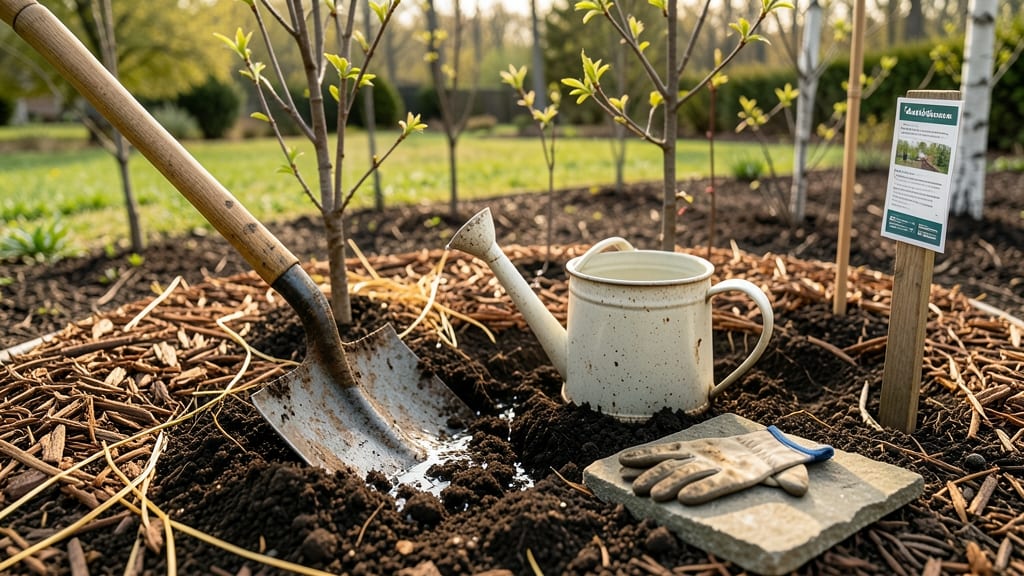
Planting trees in Wisconsin at the right time ensures strong root growth and survival through harsh winters—aim for early spring or fall when soil is workable but frost-free days are ahead.
Wisconsin’s unpredictable winters and short growing seasons demand precise timing when planting trees—but getting it right can mean the difference between a thriving canopy and a struggling sapling.
In zones 4a-6b, early spring (April) or fall (September-October) offers the ideal balance: warm enough soil for roots to establish but cool enough to avoid drought stress.
Below, I break down the best months by hardiness zone, soil prep tips, and how to spot the perfect planting window before your 🌳 becomes a long-term investment.
Wisconsin planting zones: best months by hardiness Zone (4-5) for optimal tree growth
Wisconsin’s USDA hardiness zones 4-5 create unique challenges for tree planting, where soil temperature and frost dates dictate success. Zone 4 (northern WI) has shorter growing seasons (120 frost-free days), while Zone 5 (southern WI) enjoys 60 extra days of warmth—critical for root establishment.
Timing your planting to these zones can double your tree’s survival rate in Wisconsin’s climate.
Most Wisconsin gardeners focus on two ideal windows: early spring (April) and fall (September-October). Spring planting lets trees establish roots before summer heat, while fall planting avoids drought stress and gives roots time to grow before winter dormancy.
However, soil temperature thresholds (45°F minimum) and microclimates (urban vs. rural) create regional variations even within these zones.
Here’s how to align your planting with Wisconsin’s zone-specific conditions, including dormancy periods and soil prep tips tailored to each zone’s frost patterns:
In Zone 4, where winters are harsher, I recommend planting bare-root trees in early April (as soon as soil thaws) to give roots 3-4 months of growth before winter.
For container-grown trees, September is ideal—planting then allows roots to establish before late-September frosts hit northern WI. Use mulch (3-4 inches) to insulate roots during dormancy.
For Zone 5, you’ve got more flexibility. Bare-root trees can go in late April, while container-grown trees thrive when planted in October. The extended growing season means roots have 90 days to establish before winter, reducing transplant shock.
If you’re in southern WI near Lake Michigan, take advantage of the lakeshore microclimate—plant 1-2 weeks earlier than inland areas, as warmer lake breezes delay frost.
One common mistake? Planting too early in Zone 4 when soil is still waterlogged or frozen. Test soil temperature with a soil thermometer—wait until it consistently reads 45°F (7°C) at 6 inches deep.
In Zone 5, avoid planting in November unless you’re using heat-loving species like Crape Myrtle, which can’t handle Wisconsin’s sudden freezes.
Pro tip: Acclimate container-grown trees 1-2 weeks before planting by moving them outdoors during the day and back inside at night. This hardens them off for Wisconsin’s temperature swings. For bare-root trees, soak roots in water for 1-2 hours before planting to rehydrate them after dormancy.
Remember, tree size matters. Smaller trees (under 6 feet) establish faster, so they’re better for late-season Zone 4 plantings. Larger trees need 6-8 weeks
Signs your Wisconsin tree planting timing is perfect (or too late)
Perfect timing for planting trees in Wisconsin means soil temperatures are above 40°F (4°C) but before bud break begins. This window typically falls between mid-April and early May for spring or September through October in fall.
For fall plantings, aim to finish at least 6-8 weeks before the first frost. In Wisconsin, this usually means wrapping up by mid-October in most regions. The goal is to give roots time to establish without encouraging new top growth that could be damaged by winter.
Check for moist but workable soil—it should crumble easily when squeezed but not stick to your hands. Overly wet soil can suffocate roots, while dry soil makes it harder for them to adapt to their new home.
🌱 Key takeaway element begins here:
✅ Perfect Planting Window in Wisconsin
40°F+
Use a soil thermometer to confirm
Dormant
Plant before buds swell in spring
6-8 wks out
Fall plantings only
Watch for premature bud break—a red flag that you’ve planted too early. If buds begin swelling before roots establish, your tree will struggle to support new growth and may die back in winter.
Evergreens like spruce or pine are more fungal-susceptible when planted in late summer or fall. If you’re planting these species, prioritize early fall (September) to avoid prolonged wet conditions that encourage diseases like needle blight.
For container-grown trees, you have slightly more flexibility—plant them anytime the soil isn’t frozen. But bare-root trees need immediate moisture and should go in the ground as soon as possible after purchase.