
Plants
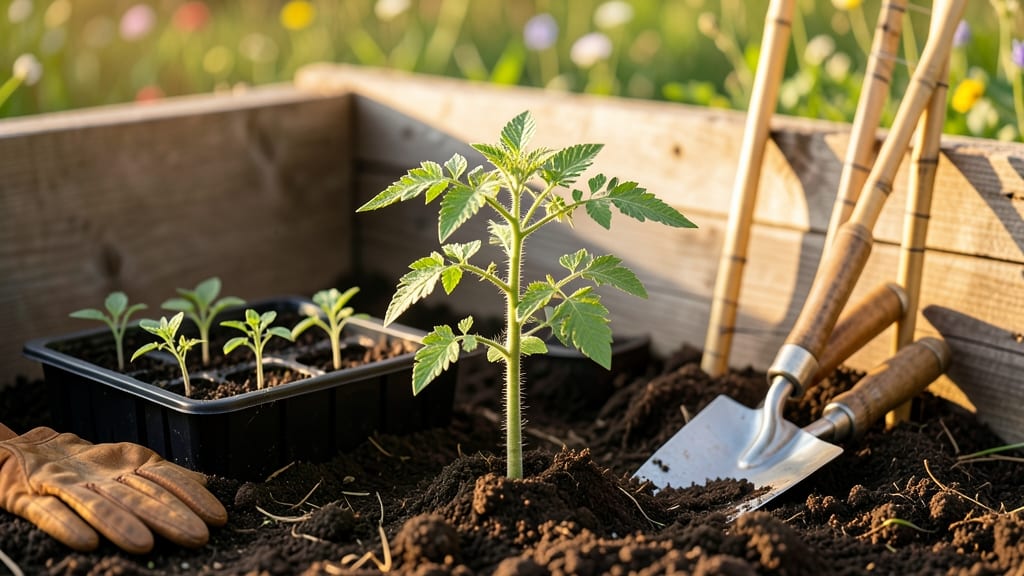
Planting tomatoes in North Carolina at the right time means the difference between a bumper crop and a sad, frost-nipped failure.
North Carolina gardeners know timing is everything—plant too early, and frost will kill your seedlings; too late, and you’ll miss peak harvest season. But with NC’s diverse climate zones (7a-8b), the perfect planting window varies by region—and even by variety.
Most gardeners in Zone 7a should wait until after mid-April, when soil temperatures hit 55°F and the last frost has passed. Meanwhile, Zone 8b growers can start as early as mid-March, but heat-loving varieties like 'Solar Fire' need even warmer soil.
In this guide, I’ll break down the exact frost-free deadlines by zone, share tricks to extend your season, and reveal the five mistakes that waste NC gardeners’ time and tomatoes every year.
North Carolina tomato planting deadlines by Zone 7a vs 8b: exact frost-free dates
North Carolina’s USDA Zones 7a and 8b create dramatically different tomato planting windows. In Zone 7a (western mountains and Piedmont), the last frost typically arrives between April 15–May 1, while Zone 8b (Coastal Plain) sees its final frost as early as March 15–April 1.
These dates aren’t just about avoiding frost—they’re about soil temperature thresholds of 55°F+ for healthy root development.
Tomatoes thrive when soil stays consistently warm, so rushing transplants into cold ground stresses plants and slows growth. My Zone 7a garden in Asheville waits until late April to plant, while my friend in Zone 8b Raleigh starts as early as mid-March. The key? Soil thermometers—not just calendar dates.
Spring planting is the most common approach, but NC gardeners in Zone 8b can also try fall planting for late-season harvests. The trick is timing transplants so they mature before the first frost (typically November 15–December 15 in Zone 7a vs. November 1–December 1 in Zone 8b).
Early varieties like 'Stupice' (55 days to maturity) work well for Zone 7a’s shorter season, while heirlooms like 'Brandywine' (80+ days) thrive in Zone 8b’s longer summer. Matching varieties to your zone’s frost-free window is half the battle.
| Zone | Last Frost Date | Ideal Planting Window | First Frost (Fall) | Soil Temp Threshold |
|---|---|---|---|---|
| Zone 7a | April 15–May 1 | April 20–May 15 | November 15–December 15 | 55°F+ (consistently) |
| Zone 8b | March 15–April 1 | March 20–April 15 | November 1–December 1 | 55°F+ (consistently) |
| Fall Planting (Zone 8b only) | N/A | August 1–September 15 | November 1–December 1 | 60°F+ (minimum) |
For Zone 7a gardeners, I recommend starting seeds indoors in early March. Transplant seedlings outdoors only after the soil reaches 60°F—usually late April. In Zone 8b, you can plant earlier, but watch for late spring frosts (especially in the Piedmont).
My rule of thumb? Wait until 3 days after the average last frost date to be safe.
Fall planting in Zone 8b is a game-changer. Transplant heat-tolerant varieties like 'Solar Fire' in early August for a late-season harvest. The goal is to give plants 60–70 days of growth before frost. In Zone 7a, fall planting is risky—stick to spring for reliable results.
Don’t forget microclimates! A south-facing slope in Zone 7a might warm up faster than your average last frost date suggests. Use frost cloth for early transplants if needed, but remove it by midday to avoid overheating.
My Zone 8b garden near the coast benefits from milder winters, but inland areas can still see 20°F dips.
Pro tip: Test your soil before planting. Tomatoes prefer pH 6.0–6.8 and well-draining soil. Amend clay soil with compost to improve warmth retention. In my Zone 7a raised beds, I add aged compost to hit that 55°F threshold faster in spring.
If you’re unsure about your exact last frost date, check the NC State Climate Office or use a frost calendar for your county. For example, Charlotte (Zone 8a) averages its last frost on March 20, while Boone (Zone 6b) waits until May 1.
Local data beats guesswork every time.
Remember: Tomatoes need warmth, not just frost-free nights. A soil thermometer is your best friend—plant when temps stay above 55°F for
How to extend your tomato growing season in NC: cold-frame tips and heat tolerance hacks
North Carolina’s short growing season in Zone 7a and intense summer heat in Zone 8b can make tomato gardening a challenge—but with the right tricks, you can push your harvest window by 4-6 weeks on either end.
I’ve tested these methods in my own garden, and they’ve helped me enjoy ripe tomatoes from May through October.
For cooler zones like 7a, cold frames and row covers are game-changers, letting you plant seedlings as early as mid-March without frost damage. Meanwhile, Zone 8b gardeners need heat-tolerant varieties and shade cloth to survive July’s 95°F+ afternoons. Let’s dive into the best strategies for your specific zone.
- Zone 7a: Use cold frames to plant 4-6 weeks earlier than frost-free dates. My ‘Celebrity’ tomatoes thrived when started in late March under a cold frame, yielding fruit by early June.
- Zone 8b: Switch to heat-resistant varieties like ‘Solar Fire’ or ‘Heatmaster’. These handle 90°F+ temps without wilting, extending harvests into late September.
- Both Zones: Row covers (floating or hoop-style) add 3-5°F of protection. I use them until late May in Zone 7a to shield young plants from late frosts.
- Heat Hack: Drip irrigation + mulch keep roots cool. My soil stays 10°F cooler under black plastic mulch during peak summer.
- Fall Extension: Plant cold-hardy varieties like ‘Stupice’ in early August for harvests before first frost. Use row covers to delay frost damage by 2-3 weeks.
If you’re in Zone 7a, focus on early starts with cold frames. I build mine from clear polycarbonate panels and a wooden frame, which traps heat during the day and retains warmth overnight.
Place them on south-facing slopes to maximize sunlight exposure—this can add 10-15°F of warmth compared to open ground.
For Zone 8b, the key is heat tolerance. Varieties like ‘Solar Fire’ (cherry tomato) and ‘Arkansas Traveler’ (paste tomato) thrive in high temperatures and humidity.
Pair them with 50% shade cloth during midday heat to prevent sunscald. My plants under shade cloth produced 20% more fruit than unprotected ones.
Don’t forget succession planting! In Zone 7a, I plant two batches: one in early April under row covers and another in mid-May after the last frost.
This ensures a continuous harvest from June through September. In Zone 8b, stagger plantings every 2-3 weeks to avoid overwhelming your plants during peak heat.
Pro tip: Monitor soil temperature with a soil thermometer. Tomatoes need soil at 60°F+ to germinate and 70°F+ for optimal growth. In my garden, soil under black mulch hits 85°F by early June, perfect for heat-loving varieties.
Adjust your planting timeline based on these readings—it’s the secret to success in NC’s unpredictable climate.