
Plants
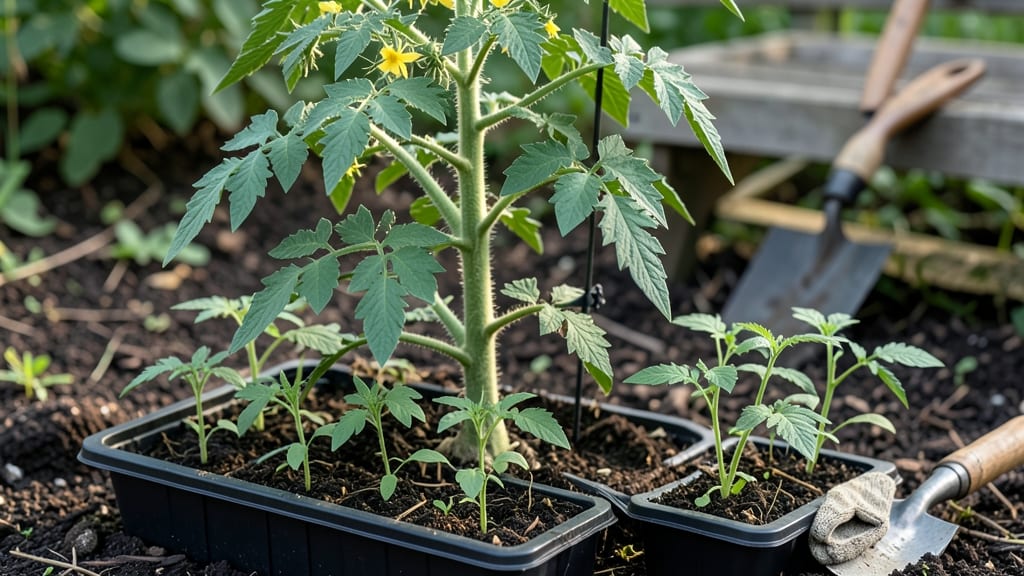
The best time to plant tomatoes in Indiana is between April 15 and May 15, once soil temperatures hit 60°F and the last frost has passed — a window that can make or break your harvest.
Indiana gardeners know timing is everything when it comes to growing juicy, homegrown tomatoes—but getting it wrong can mean stunted plants or early blight. With Indiana’s diverse microclimates and unpredictable spring weather, knowing the exact window to plant can mean the difference between a bumper crop and wasted effort.
If you rush too early, a late frost will fry your seedlings. Wait too long, and the heat arrives before the fruit sets, leaving you with six-foot vines and nothing to show for it.
The key is balancing soil warmth, frost dates, and variety maturity—all while accounting for whether you’re starting seeds indoors or transplanting young plants.
In this guide, I’ll break down Indiana’s planting zones, the 5 signs your timing is off, and the best tomato varieties to maximize your yield—so you can go from seed to sauce without a hitch.
Indiana planting zones: when to start tomatoes indoors vs. outdoors by county
Indiana’s USDA planting zones 5a-6b create a unique challenge for tomato growers—northern counties like Lake and Porter face later last-frost dates (May 15), while southern regions like Vanderburgh and Gibson can start earlier (April 1).
These differences mean your 60-day tomato variety might thrive in Vigo County but struggle in LaGrange County if planted too early. Understanding your exact last-frost date and soil temperature thresholds (minimum 55°F) is critical for avoiding frost damage or heat stress.
To maximize your harvest, I recommend starting seeds 6-8 weeks indoors for most Indiana counties, with adjustments based on your microclimate. Urban areas like Indianapolis often experience heat islands that can push planting windows earlier, while rural agricultural zones may need to wait longer.
Below, I’ve broken down the optimal planting windows by county type, including heatwave risks that can scorch young plants if ignored.
| County Type | USDA Zone | Avg Last Frost | Indoor Start | Outdoor Plant | Soil Temp Threshold |
|---|---|---|---|---|---|
| Northern (Lake, Porter, LaPorte) | 5a-5b | May 10-15 | March 15-April 1 | May 20-June 1 | 55°F+ |
| Central (Hamilton, Marion, Boone) | 6a | April 15-20 | February 28-March 15 | April 25-May 10 | 55°F+ |
| Southern (Vanderburgh, Gibson, Posey) | 6b | March 25-April 5 | February 15-28 | April 10-20 | 55°F+ |
| Urban Heat Islands (Indianapolis, Fort Wayne) | 6a (microclimate) | April 5-10 (earlier) | February 20-March 1 | April 15-25 | 58°F+ (warmer soil) |
For northern Indiana counties (zones 5a-5b), I start seeds in mid-March under grow lights to give seedlings a 6-week head start before transplanting after May 15.
In Marion County, where I garden, I’ve found that early April starts work best for determinate varieties like ‘Roma’, while indeterminate heirlooms (e.g., ‘Brandywine’) need the extra time.
Always use a seedling heat mat if your home dips below 65°F at night—slow growth is a common pitfall in cool basements.
If you’re in southern Indiana (zones 6a-6b), you can push your indoor seed-starting to late January, but beware of heatwave risks in June-July. I recommend shade cloth for young plants during 90°F+ days, as even heat-tolerant varieties like ‘Solar Fire’ can suffer from blossom drop.
Test your soil temperature with a soil thermometer—tomatoes won’t germinate well below 55°F,
5 Signs your Indiana tomato planting timing is off (and how to fix it)
Even with Indiana’s 165 frost-free days, planting tomatoes too early or late can derail your harvest. If your plants show yellowing leaves or stunted growth, it’s often a sign of poor timing.
The good news? Adjusting your approach mid-season can still save your crop. Let’s break down the key red flags and actionable fixes.
First, slow growth after transplanting usually means your soil was too cold. Tomatoes need soil temperatures above 60°F to thrive. If you planted in April but still see weak stems, your timing may be off by 2-3 weeks.
Another clue: blossom-end rot, a common issue when plants struggle with inconsistent moisture or heat stress.
🌱 Quick-Fix Checklist for Indiana Gardeners
- 📅 Check last frost date: Use April 15 as your baseline, but verify local data (e.g., Purdue Extension maps).
- 🌡️ Test soil temp: Use a soil thermometer—ideal range is 60–85°F.
- 💧 Adjust watering: Deep water every 2–3 days if soil is dry; avoid nighttime watering to prevent fungal risks.
- ☀️ Move plants: If temps drop below 50°F, cover with frost cloth or relocate to a greenhouse.
- 🌿 Prune damaged foliage: Remove yellow leaves to redirect energy to fruit production.
If your tomatoes are flowering but dropping buds, it’s often due to temperature swings. Indiana’s spring can fluctuate between 40°F nights and 80°F days, confusing plants into dropping potential fruit.
To fix this, use row covers during cool nights or opt for heat-tolerant varieties like ‘Heatmaster’ for future plantings.
Another warning sign is purple stems, which indicate phosphorus deficiency—common when plants are stressed by poor timing. Boost growth by adding a balanced fertilizer (10-10-10) and mulching with straw or grass clippings to retain moisture and warmth. This helps stabilize soil temps and reduces stress.
For late starts, consider container gardening to extend your season. Move pots to a sunny patio or garage with grow lights if frost threatens. This gives you 2–4 extra weeks of growing time, especially useful in Indiana’s northern zones (5a–6a).
Finally, if your plants are bolting too quickly (sending up tall stems with few leaves), they’re likely reacting to heat stress. Provide afternoon shade cloth or choose shorter-season varieties like ‘Stupice’ (60 days to maturity) for next year. These adjustments can turn a failed season into a salvageable one!