
Fertilization
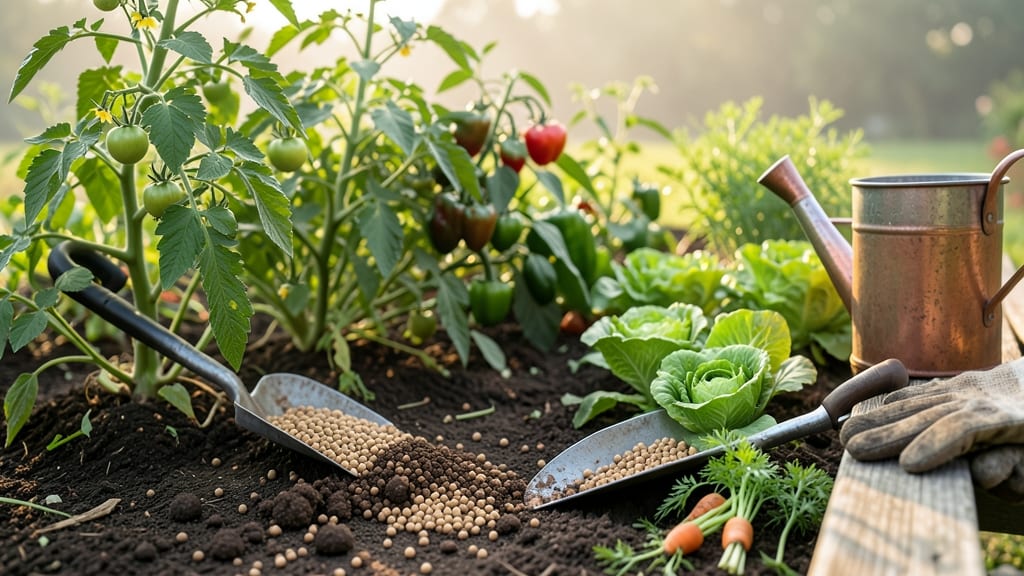
Fertilizing your garden at the right time is the secret to stronger roots, faster growth, and plants that look like they’re on a vitamin plan instead of struggling to survive.
Timing your garden fertilization like a pro isn’t just about throwing down nutrients—it’s the difference between lush, thriving plants and struggling ones that never quite reach their potential. Miss the window, and you’ll end up with weak stems, sparse blooms, or even burned foliage from overfeeding.
Spring is the best time to kickstart your garden’s growth, but summer and fall also play critical roles. Whether you’re nurturing vegetables, flowers, or lawns, knowing when to feed your soil—and when to hold back—can save you time, money, and a lot of frustration.
In this guide, I’ll break down the exact seasonal triggers for fertilizing, how to read your plants’ signals, and the smartest strategies to keep your General Garden 🌱 thriving all year long—without the guesswork.
Seasonal fertilization schedule: when to feed your garden for maximum growth
Fertilizing your garden at the right time is like giving your plants a perfectly timed energy boost. Spring kicks off the growing season, summer maintains that momentum, and fall sets the stage for next year.
Each season demands a different approach—whether you're nurturing vegetables, flowers, or a lush lawn. Skipping this step or overdoing it can leave your garden struggling, so let’s break down the science-backed schedule for feeding your plants when they need it most.
Timing matters because plants have specific growth phases. Early spring fertilization jumpstarts root development, while mid-summer feeds focus on fruit and flower production. Fall fertilization, on the other hand, is all about strengthening roots for winter survival.
Understanding these triggers ensures your garden thrives year-round, not just during peak growing months.
| Season | Best Time to Fertilize | Plant Types | Key Trigger |
|---|---|---|---|
| Spring | Early April (after last frost) and May | Vegetables, Annual Flowers, Lawns | Soil warms to 60°F+ |
| Summer | June (early) and August (late) | Tomatoes, Peppers, Herbs, Perennials | Active flowering/fruiting |
| Fall | Early September (cool-season crops) | Broccoli, Spinach, Cool Flowers | 6-8 weeks before first frost |
| Winter | None (dormant season) | All Plants | Frost or freezing temps |
For spring fertilization, the goal is to wake up your soil and encourage robust root growth. Apply a balanced fertilizer (like 10-10-10) right after the last frost when soil temperatures hit 60°F or warmer.
This timing aligns with when most vegetables and flowers are planted, giving them the nutrients they need to establish quickly. A second feeding in early May ensures they stay strong as they enter their rapid growth phase.
In summer, fertilization shifts to supporting fruit production and blooming. Heavy feeders like tomatoes and peppers benefit from a phosphorus-rich fertilizer in early June to boost flowering. Then, a lighter feeding in August maintains growth without overstimulating late-season plants.
Avoid fertilizing too late in summer—it can lead to soft, weak growth that’s prone to disease before winter.
Fall fertilization is often overlooked, but it’s crucial for cool-season crops like broccoli and spinach. Feed these plants in early September, about 6-8 weeks before your first frost. This timing gives them enough time to mature before winter sets in.
For perennials and shrubs, a light feeding in fall strengthens roots for next year’s growth, but avoid heavy applications that can stimulate tender new growth too late in the season.
Winter is the one season where fertilization should stop entirely. Plants are dormant, and feeding them can lead to nutrient runoff or even root damage from excess salts. Instead, focus on soil health by adding compost or leaf mold in late winter to prepare for spring.
This organic matter breaks down slowly, providing a nutrient boost when your plants wake up.
One common mistake gardeners make is over-fertilizing, especially in spring. Too much nitrogen can lead to leafy growth at the expense of flowers or fruit. Always follow the recommended rates on your fertilizer package and water thoroughly after applying to help nutrients reach the roots.
For organic gardeners, compost tea or fish emulsion in early spring can be a gentler alternative to synthetic fertilizers.
Pro tip: Pair fertilization with mulching to retain moisture and regulate soil temperature. A 2-3 inch layer of straw or wood chips around your plants keeps nutrients in place and reduces weeds.
This simple step can make your fertilization efforts even more effective, especially in hot, dry summers when soil can dry out quickly.
By following this seasonal schedule, you’ll give your garden the precise nutrition it needs at each growth stage. Whether you’re growing vegetables, flowers, or a lush lawn, timing is everything.
Start with spring, maintain through summer, set up fall, and rest in winter—your plants will thank you with bigger blooms, healthier roots, and bountiful harvests all season long. 🌱
Signs your garden needs fertilizer: how to read plant signals before applying
Your plants are like tiny gardeners—they send clear signals when they’re hungry for nutrients. Ignoring these cues means missing the perfect fertilization window, which could leave your tomatoes underperforming or your roses blooming half as much.
The key is learning to read their visual language, from leaf color to growth patterns, before reaching for the fertilizer.
Start by checking for yellowing leaves, especially on older foliage. This classic sign often means your plants are craving nitrogen, the growth fuel that keeps stems strong and leaves vibrant.
But here’s the catch: yellowing can also signal overwatering or poor drainage, so always dig deeper (literally—check the soil moisture) before assuming it’s a nutrient issue.
Stunted growth is another red flag. If your peppers or basil are growing slower than expected, even with plenty of sun and water, they might be lacking phosphorus or potassium. Phosphorus helps roots and flowers develop, while potassium boosts disease resistance and overall vigor.
Without enough of either, your plants will struggle to reach their full potential, no matter how much you water them.
Poor blooms or fewer flowers than usual? That’s your garden’s way of saying, “I need a nutrient boost!” Flowers are energy-intensive, and plants prioritize leafy growth when nutrients are scarce.
A balanced fertilizer with higher phosphorus content (look for a middle number in the NPK ratio, like 10-20-10) can encourage more abundant blooms—just apply it when buds start forming, not mid-summer when the focus should shift to root and stem strength.
✅ Pros of Fertilizing at the Right Time
- Maximizes growth: Plants absorb nutrients when they need them most.
- Prevents waste: Avoids over-fertilizing, which can burn roots.
- Boosts blooms: Timely feeding enhances flower and fruit production.
- Stronger roots: Early-season fertilization builds a sturdy foundation.
❌ Cons of Fertilizing at the Wrong Time
- Burns plants: Midday heat + fertilizer = leaf scorch.
- Wastes nutrients: Dormant plants can’t use excess fertilizer.
- Encourages pests: Overfeeding attracts aphids and fungus gnats.
- Weakens soil: Frequent feeding disrupts natural microbial balance.
🌱 Best time to fertilize: Early morning or evening, during active growth phases (spring/early summer).
Don’t overlook leaf discoloration or spotting, which can indicate specific deficiencies. For example, purple stems or leaves often mean your plants are phosphorus-deficient, while yellow edges with green veins suggest a potassium shortage.
A quick soil test can confirm what your eyes suspect, but even without one, adjusting your fertilization timing can make a huge difference.
If your plants are showing multiple signs of distress, it’s time to act—but not just by dumping fertilizer. Start with a light application of a balanced, slow-release fertilizer (like 10-10-10) and monitor their response.
Over-fertilizing is just as harmful as under-fertilizing, so always follow the package instructions and water thoroughly after applying to help nutrients reach the roots.
Remember, the best time to fertilize isn’t just about the season—it’s about reading your plants’ signals and responding with precision. When you master this skill, your garden will reward you with healthier growth, better yields, and fewer headaches. And that’s a harvest worth celebrating! 🌿