
Trees
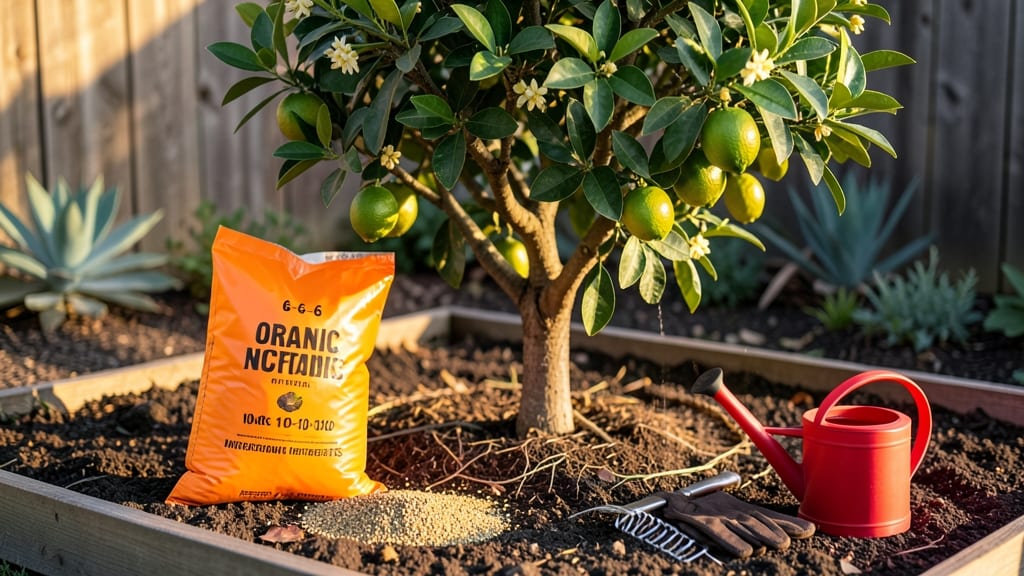
Fertilizing fruit trees in California at the right time—late winter through early spring—sets the stage for explosive growth and record harvests.
But get the timing wrong, and you risk burning roots, wasting nutrients, or ending up with tiny fruit instead of bushels.
California’s Mediterranean climate means your 🍎 fruit trees have different needs in coastal vs. inland zones, and knowing when to feed (or skip it) is the key to avoiding costly mistakes.
This guide breaks down the best fertilization windows for stone fruits, citrus, and nut trees—plus how to adjust for your specific region, whether you’re in USDA Zone 9 or 11.
We’ll also cover soil prep, organic vs. synthetic fertilizers, and the one mistake that kills more orchards than pests do.
Ready to turn your fruit trees into high-yield powerhouses? Here’s exactly when, how, and why to fertilize for peak results.
California fruit tree fertilization calendar by season: month-by-month breakdown
California’s Mediterranean climate means your fruit trees grow year-round, but fertilization timing is everything. Peaches, plums, citrus, and apples all have different needs based on seasonal growth cycles and regional microclimates.
In Northern California (USDA Zones 9-10), cooler winters and hotter summers demand precise scheduling, while Southern California (Zones 10-11) allows for more extended growing seasons. Let’s break down the month-by-month fertilization calendar to maximize yields and tree health.
Before diving into the schedule, remember: Soil testing is your first step.
California’s diverse soils—from sandy coastal areas to clay-heavy inland regions—require pH adjustments (6.0-7.0 for most fruit trees) before fertilizing. Organic matter (compost or aged manure) should be worked into the soil 3-4 months before your first fertilizer application to build a nutrient-rich foundation. Young trees (1-3 years) need lighter, more frequent feedings, while mature trees (4+ years) can handle heavier applications.
| Month | Northern CA (Zones 9-10) | Southern CA (Zones 10-11) | Fertilizer Type | Key Notes |
|---|---|---|---|---|
| January | Light feed (bud swell) | Light feed (citrus: micronutrients) | Balanced (6-6-6) or compost | Avoid heavy N; focus on root growth. |
| February | Full feed (active growth) | Full feed (stone fruit: higher N) | 8-3-9 or worm castings | Water deeply after application. |
| March | Second feed (fruit set) | Second feed (citrus: bloom support) | 6-6-6 + micronutrients | Reduce N to prevent excessive leafy growth. |
| April | Light feed (fruit development) | Light feed (avoid over-fertilizing) | Low-N (3-1-2) or fish emulsion | Focus on P and K for fruit quality. |
| May-July | None (summer dormancy) | None (heat stress risk) | N/A | Prioritize watering; avoid stress. |
| August-Sept | Light feed (citrus only) | Light feed (citrus: root growth) | Low-N (2-3-1) or seaweed kelp | Prep for winter in mild climates. |
| October-Dec | None (dormant season) | None (except citrus: light feed) | Compost top-dress (Dec) | Focus on soil health for spring. |
For stone fruits (peaches, plums, nectarines), the critical fertilization window is February through April, aligning with bloom and fruit set.
Signs your fruit trees need fertilizer (and when to avoid it)
Your fruit trees might be silently begging for nutrients if you notice yellowing leaves between the veins or small, sparse blooms. These are classic signs of nitrogen deficiency, common in California’s fast-draining soils.
Even healthy-looking trees can suffer from micronutrient imbalances, especially in coastal areas where salty soils inhibit nutrient uptake.
Inland regions like the Central Valley often see stunted growth or fruit drop when trees lack phosphorus, while citrus trees in Southern California may develop leaf curl from zinc or iron deficiencies.
Always check the soil pH first—most fruit trees thrive in 6.0-7.0 pH, but acid-loving varieties like blueberries need 4.5-5.5.
When Is the Best Time to Fertilize Fruit Trees in California?
Never fertilize during dormant seasons (November–February). In Northern California, apply balanced fertilizer (6-6-6 or 8-3-9) in late February–March when buds swell. Southern California trees benefit from light feeding in January due to earlier growth cycles. Always water deeply before and after applying fertilizer to prevent root burn.
Over-fertilizing is a common mistake in California’s warm microclimates, leading to leaf burn or excessive vegetative growth at the expense of fruit production. If your tree produces leaves instead of fruit, it’s getting too much nitrogen.
Always follow the "less is more" rule—start with half the recommended dose and adjust based on tree response.
Pay attention to root health too. Girdling roots or compacted soil (common in urban planting strips) can strangle nutrient uptake.
Amend soil with compost or aged manure in fall or early winter to improve structure. Citrus trees in coastal areas often need iron chelates due to alkaline soils—test before applying generic fertilizers.
Young trees (under 3 years old) need gentle, frequent feeding—use a slow-release organic fertilizer like fish emulsion or worm castings every 6-8 weeks during active growth. Mature trees can handle annual deep feeding in early spring, paired with mulch to retain moisture and cool roots.
If your tree shows sudden wilting or dieback after fertilizing, flush the soil with water immediately—this could signal fertilizer burn. Always apply granular fertilizers 2-3 inches away from the trunk and water thoroughly afterward. For container-grown fruit trees, use water-soluble fertilizers diluted to half-strength every 4-6 weeks.
Remember: Observation is key. Keep a growth journal to track leaf color, bloom timing, and fruit set—these clues will tell you exactly what your California fruit trees need (or don’t need) to thrive. 🌱