
How To
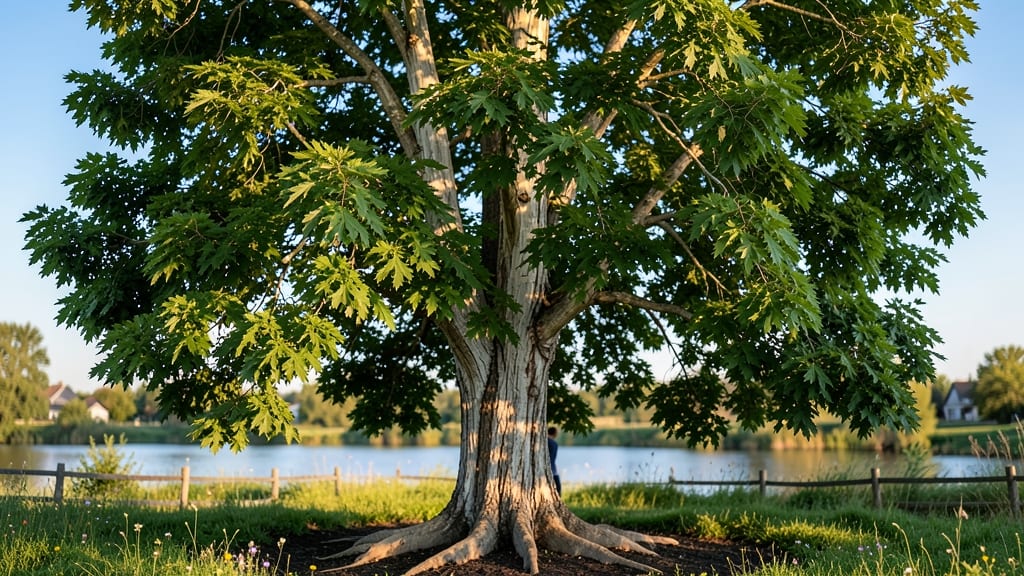
Cottonwood trees grow to 70–100 feet tall—taller than a 3-story building—making them one of the fastest-growing trees in North America 🌳.
If you’re dreaming of towering shade trees or fast-growing natural fences, cottonwoods might be on your radar—but their staggering height can also mean unexpected challenges.
Under ideal conditions, these trees can shoot up 3–6 feet per year, reaching maturity in just 15–20 years. However, their rapid growth comes with trade-offs, like invasive roots and potential power line conflicts.
Here’s what you need to know about their height potential, growth rates, and how to manage them in your landscape—so you can decide if they’re the right fit for your property.

How tall cottonwood trees grow: height ranges by variety and growth conditions
If you’ve ever admired cottonwood trees along rivers or highways, you’ve likely wondered: how tall do cottonwood trees grow? These fast-growing giants can reach staggering heights, but their growth depends heavily on the variety, climate, and soil conditions.
Eastern cottonwoods (Populus deltoides) often dominate landscapes with their towering presence, while Black cottonwoods (Populus trichocarpa) may take slightly different paths. Let’s break down the numbers and what they mean for your yard.
Cottonwoods are among the fastest-growing trees in North America, with some varieties gaining 3–6 feet per year under ideal conditions. In just 10 years, a healthy cottonwood sapling can shoot up to 30–40 feet, making them a favorite for quick shade—but also a challenge for smaller properties.
Their mature height typically ranges from 50–100 feet, though exceptional specimens have been recorded at over 130 feet in perfect conditions.
Now, let’s compare the two most common types—Eastern and Black cottonwood—to see how their growth habits differ. Understanding these distinctions will help you decide which variety fits your space and goals.
Soil quality plays a huge role in how tall cottonwood trees grow. These trees thrive in moist, well-drained soil with high organic content. If your soil is clay-heavy or dry, growth will slow significantly, and the tree may struggle to reach its full height potential.
Amending the soil with compost or mulch can give your cottonwood a growth boost, especially in its first few years.
Water is another critical factor. Cottonwoods love consistent moisture, particularly during their first 3 years. In arid climates, you’ll need to water deeply 2–3 times per week during dry spells. Overwatering, however, can lead to root rot, so always ensure the soil drains well.
In wet climates, like near rivers or lakes, cottonwoods grow even faster, sometimes exceeding 100 feet with minimal effort.
Climate also shapes cottonwood height. In cooler northern regions (like Minnesota or Canada), growth rates slow during winter, but the trees still reach impressive heights—just over a longer period.
Meanwhile, in warmer southern zones (like Texas or Florida), cottonwoods grow aggressively year-round, sometimes adding up to 8 feet per year if conditions are ideal. Humidity and rainfall further accelerate their skyward climb.
One surprising factor is pruning. While pruning won’t stunt a cottonwood’s height, it can redirect growth. Removing lower branches encourages the tree to focus energy upward, potentially adding extra feet of height over time.
However, avoid heavy pruning in late summer or fall, as this can stress the tree and reduce its growth rate the following spring.
If you’re considering planting a cottonwood, remember: space is key. A mature Eastern cottonwood with a 100-foot canopy needs plenty of room to avoid crowding power lines, roofs, or neighboring plants.
Before planting, check local regulations—some areas restrict cottonwoods due to their aggressive root systems and potential to block drainage.
For those dreaming of a shade giant, cottonwoods deliver—just be prepared for their rapid expansion. With the right conditions, you could have a 100-foot sentinel in just a decade.
Just weigh the pros (fast shade, wildlife habitat) against the cons (invasive roots, towering height) before digging that first hole!
Fastest-growing cottonwood varieties: which ones reach 100+ feet quickly?
If you’re chasing a fast-growing shade tree, few species match the speed of cottonwood varieties like Populus deltoides. These giants can shoot up 3–6 feet per year under ideal conditions, reaching 100+ feet in just 15–20 years—outpacing even willow trees.
Their rapid ascent makes them popular for quick privacy screens or dramatic landscape statements, but their size demands careful planning.
The Eastern Cottonwood (Populus deltoides) is the fastest grower, often topping out at 80–100 feet with a 50-foot spread. In wet, fertile soils near rivers or lakes, they can even exceed 120 feet, though this is rare outside their native USDA Zones 3–9.
Their aggressive growth is fueled by deep roots that tap into groundwater, giving them an edge in drought-prone areas once established.
For those in cooler climates, the Black Cottonwood (Populus trichocarpa) is a slightly slower but still impressive grower, typically reaching 60–80 feet. It thrives in USDA Zones 4–8 and handles wetter soils better than its eastern cousin.
While not quite as towering, it’s more adaptable to Pacific Northwest gardens and urban areas with consistent moisture.
To maximize their growth, plant cottonwoods in full sun with well-draining, moist soil. Avoid compacted or dry soils, which stunt their height potential. Mulch heavily around the base to retain moisture, and water deeply 2–3 times per week during the first growing season.
Over time, their deep roots will reduce your watering needs—but their invasive root systems may require barriers if planted near foundations or sidewalks.
If you’re considering cottonwoods for a fast-growing windbreak or riverbank stabilization, their speed is unmatched. However, their massive size means they’re best suited for large properties with space for their sprawling canopies.
For smaller yards, consider hybrid varieties like Populus x canadensis, which offer slightly slower growth (2–4 feet per year) while still reaching 60–80 feet at maturity.
Pro tip: Prune young cottonwoods to encourage a single strong trunk rather than multiple stems. This improves their structural integrity and reduces the risk of storm damage as they mature. Just remember—once planted, these giants will dominate your landscape for decades to come! 🌳