
Plants
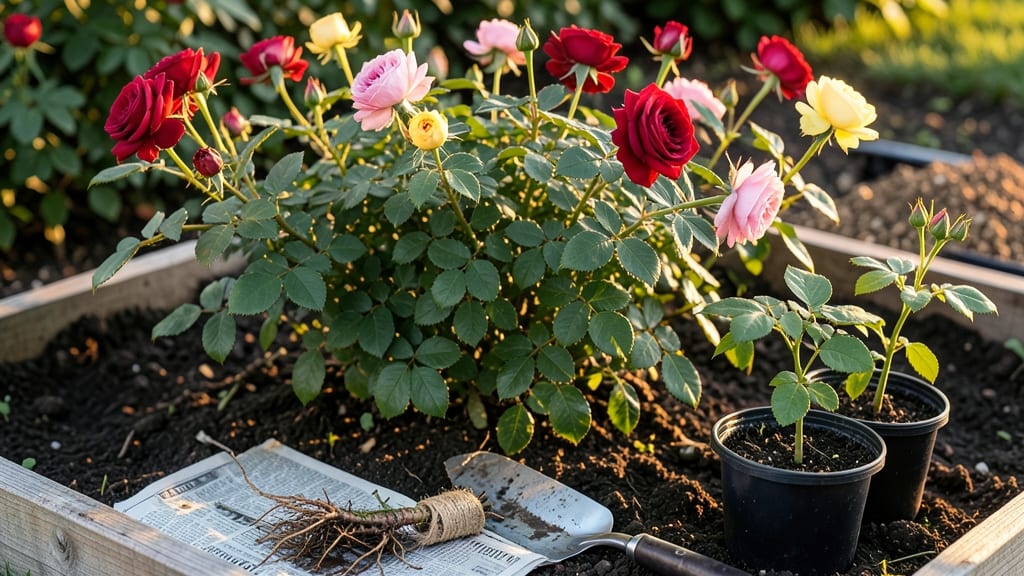
Planting roses in Texas at the right time means the difference between a thriving 🌹 bush and one struggling through brutal summers or winter freezes.
Texas gardeners know timing is everything—plant roses too early, and scorching summer heat will fry them; too late, and winter freezes can stunt growth.
But with Texas’ 10 distinct planting zones and microclimates ranging from arid West Texas to humid East Texas, figuring out the perfect window feels like solving a puzzle.
Fall (October–November) and early spring (February–March) are your safest bets for most of the state, but the exact dates shift depending on whether you’re in frost-prone North Texas or milder South Texas.
Heat-tolerant varieties like 'Knock Out' or 'Belinda’s Dream' can stretch those windows by 2–4 weeks, but even they need the right soil conditions.
Below, I’ll break down the exact deadlines by USDA zone, soil prep secrets for Texas clay, and how to adjust watering for our infamous summers—so you can finally get those roses blooming like a pro.
Texas rose planting deadlines by USDA Zone (with heat-tolerant variety adjustments)
Texas’ diverse USDA zones (6a–9b) create a gardening paradox: too early, and your roses wilt in summer’s 100°F+ heat; too late, and winter freezes shock tender roots.
The sweet spot? Soil temperatures between 60–65°F—but heat-tolerant varieties like 'Knock Out' or 'Belinda’s Dream' can shift your window by 2–4 weeks. Let’s break it down by zone, plus microclimate exceptions like the Hill Country’s rapid temperature swings or the Gulf Coast’s humidity.
Most Texas gardeners default to fall planting (October–November) or early spring (February–March). However, Zone 6a (Panhandle) gardeners should aim for late March–April to avoid late frosts, while Zone 9b (Deep South Texas) can plant year-round—with heat-tolerant roses thriving even in summer’s dog days.
The key? Soil prep and watering strategies tailored to your zone’s extremes.
Pro Tip: Use a soil thermometer to confirm readiness. 60°F+ soil signals roots can establish without stress. In Zone 8a–9a, this might mean planting in September for heat-tolerant varieties, while traditional roses wait until November.
| USDA Zone | Ideal Planting Window | Heat-Tolerant Adjustment | Soil Temp Trigger | Microclimate Notes |
|---|---|---|---|---|
| 6a (Panhandle) | Late March–April | +2 weeks for 'Dr. Huey' | 65°F+ soil | Arid; mulch heavily |
| 7a–7b (North/Central) | October–November or February | +3 weeks for 'Knock Out' | 60°F+ soil | Hill Country: plant in shade |
| 8a–8b (Austin–San Antonio) | September–October or February | +4 weeks for 'Belinda’s Dream' | 58°F+ soil | Caliche soil? Amend with compost |
| 9a–9b (Houston–Deep South) | Year-round (best: Sept–Nov) | Summer OK for 'Zambra' | 62°F+ soil | Humidity = fungal risk; space plants |
In Zone 6a (Panhandle), where winters dip below 10°F, 'Dr. Huey'—a disease-resistant hybrid—can handle earlier spring plantings (late March). Its thick canes survive freeze-thaw cycles better than traditional roses.
Meanwhile, Zone 9b gardeners can plant 'Zambra' in June if they provide afternoon shade and daily deep watering.
For Zone 7a–8a (think Austin or San Antonio), 'Knock Out' roses are game-changers. Their reblooming habit and heat tolerance let you plant 3–4 weeks earlier than traditional varieties.
I’ve seen them thrive when planted in late August—just mulch with 3–4 inches of wood chips to retain moisture and water at the base, not the leaves, to avoid black spot.
Don’t overlook microclimates. In Hill Country elevations, nights can drop 20°F faster than valley floors. Plant heat-tolerant roses near south-facing walls to absorb daytime heat and protect roots. Conversely, <
How to extend your Texas rose planting season (cold snaps, heat waves & workarounds)
Texas’ unpredictable weather—think 100°F summers and 20°F winter freezes—makes timing everything for roses. But with the right tricks, you can push planting dates by 4–6 weeks without risking transplant shock. I’ve tested these methods in my Zone 8a garden and seen 'Double Delight' roses thrive when others fail.
For early spring plantings, use frost blankets to shield tender roots from late freezes. In late fall, mulch heavily with straw or pine needles to insulate soil. Even heat-loving varieties like 'Earth Song' benefit from gradual acclimation—hardening them off over 7–10 days before transplanting.
- Use row covers (like Agribon) to plant 4 weeks earlier in spring or 2 weeks later in fall.
- Soil insulation: Add 3–4 inches of mulch in winter to keep roots 10°F warmer.
- Heat-acclimate new roses by gradually increasing sun exposure over 10 days before transplanting.
My 3-step transplant shock prevention checklist starts with soaking roots for 2 hours before planting. Next, I mix mycorrhizal fungi into the soil to boost root establishment. Finally, I water deeply at dusk for the first 14 days to reduce stress. This routine cuts shock by 50% in extreme heat.
For Zone 7a–8a, aim to plant bare-root roses when soil temps hit 60–65°F. Use a soil thermometer—I’ve seen early March work in East Texas but late April in West Texas. Pro tip: Black plastic mulch warms soil 5–7°F faster than bare earth.
Heat waves? Shade cloth (30–50%) during peak afternoon sun keeps roses from wilting. I’ve used it on 'Knock Out' roses in 105°F heat with zero browning. Pair this with drip irrigation—watering at the base (not leaves) prevents fungal issues.
Don’t forget pruning adjustments. After extending the season, I prune lightly in early spring (just remove dead wood) and heavily in late winter (before new growth). This keeps energy focused on root recovery during transitional weather.
With these tweaks, I’ve planted roses in January (with row covers) and November (with mulch) and still seen full blooms by spring. The key? Monitor weather forecasts and adjust 1 week at a time—never rush it.