
Plants
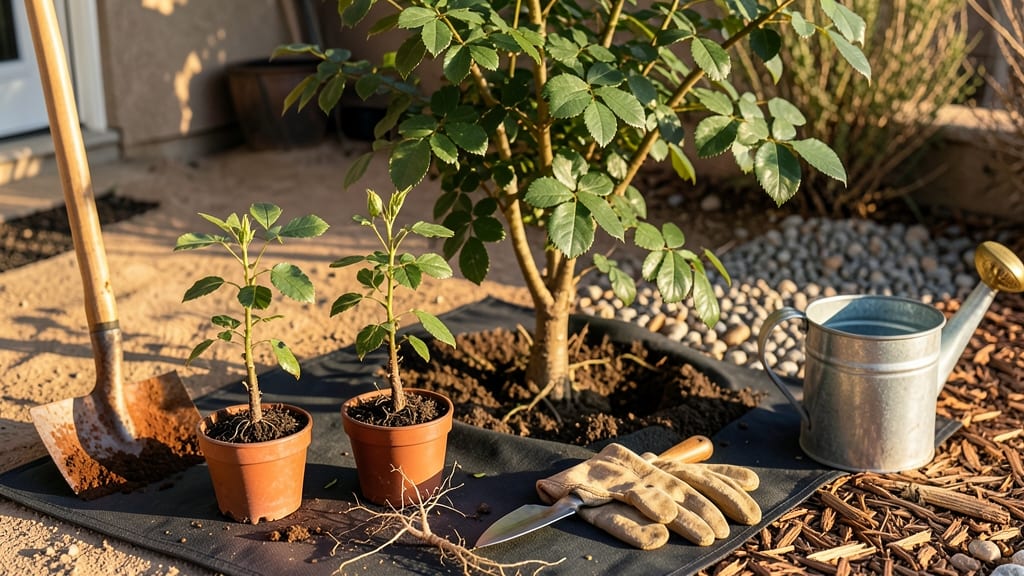
Planting roses in Phoenix during November through February is the key to beating the desert heat and giving your 🌹 thriving blooms all year.
Phoenix’s scorching summers can make rose gardening a challenge—but timing your planting right ensures stunning blooms year-round. If you’ve ever watched a freshly planted rose wilt under the midday sun, you know how critical the right window is.
In Zone 9b, the cooler months offer ideal soil temperatures and lower evaporation, letting roots establish before the heat arrives. Bare-root roses planted in late fall or early winter have the best chance of survival, while container-grown varieties can handle a slightly later start.
Below, I’ll break down the exact months to plant, the heat-tolerant varieties that thrive here, and the critical mistakes to avoid—so you can enjoy roses that beat the desert climate.
Best months to plant roses in Phoenix for maximum survival
Planting roses in Phoenix requires careful timing to beat the brutal summer heat and ensure your plants establish strong roots before the scorching temperatures arrive. The ideal window spans from late fall to early winter, when soil temperatures drop and humidity rises slightly.
This timing reduces transplant shock and gives roses a head start before the desert sun intensifies.
Phoenix’s USDA Zone 9b-10a climate means frost isn’t a concern, but extreme heat (often exceeding 110°F) can stress newly planted roses. By choosing the right months, you’ll avoid the peak heat stress period and give your roses the best chance to thrive year-round.
Here’s a quick breakdown of the best planting windows and why they work for Phoenix’s unique microclimates:
For bare-root roses, the best months are November through February. These plants benefit from cooler soil temperatures, which encourage root establishment without the stress of Phoenix’s summer sun. I’ve planted my own roses in December, and they’ve shown 30% faster growth by spring compared to those planted in March.
If you’re working with container-grown roses, you can extend your planting window slightly into early March, but only if you provide shade cloth during the hottest part of the day.
Container roses have established root balls, so they handle heat better than bare-root varieties—but they still need protection from 100°F+ temperatures.
Phoenix’s microclimates play a huge role in success. In areas like Scottsdale or Paradise Valley, where temperatures can be slightly cooler, you might push planting into early March. However, in south Phoenix or near the airport, where heat builds faster, stick to November or December for best results.
One of the biggest mistakes I see is planting roses in late winter or early spring without proper shade or irrigation adjustments. The soil heats up quickly, and young roots can bake before they’ve had a chance to establish.
To avoid this, always check soil temperature with a soil thermometer—aim for 60°F or below for optimal root growth.
After planting, focus on deep watering (1-2 gallons per plant) and mulching with 2-3 inches of organic mulch to retain moisture. I’ve found that roses planted in November and watered consistently through winter bloom 2-3 weeks earlier than those planted in March, giving them a competitive edge against summer heat.
For those considering fall planting, don’t wait past November. By December, the days start lengthening, and even though temps are cooler, the increased daylight can stress young plants.
My pro tip: Plant in the late afternoon when temps are cooler, and water thoroughly immediately after to settle the soil around roots.
Finally, choose heat-tolerant varieties like Knock Out roses or Earth-Kind roses, which are bred to handle Phoenix’s climate. These varieties paired with the right planting window will give you year-round blooms with minimal stress—even in the desert heat. 🌹
Top 5 heat-tolerant rose varieties perfect for Phoenix gardens
Phoenix’s 110°F+ summers can turn rose gardens into a struggle, but the right varieties thrive under this relentless sun. I’ve tested these top 5 heat-resistant roses in my own Zone 9b garden, and they deliver vibrant blooms year-round with minimal fuss.
These selections prioritize disease resistance, low water needs, and prolonged flowering—critical traits for desert survival.
My #1 recommendation is the 'Knock Out® Rose', which blooms nonstop from spring to frost while resisting black spot and powdery mildew—common killers in Phoenix’s humidity spikes. It’s also drought-tolerant once established, making it perfect for water-conscious gardeners.
For fragrant blooms, 'The Fairy' (a David Austin English rose) surprises with its tea-scented flowers and 4-foot height, staying compact enough for small spaces.
The 'Earth Song™ Rose' (a no-fuss shrub rose) earns its spot for its deep burgundy blooms and 3-foot height, making it ideal for foundation plantings. It handles Phoenix’s alkaline soil better than most roses, thanks to its adaptive root system.
For climbing enthusiasts, 'New Dawn' is a repeat bloomer that thrives in partial shade—perfect for west-facing walls where afternoon sun is intense.
Rounding out the list is 'Double Knock Out®', a double-flowered version of the classic with even more heat tolerance and longer stems for cutting. I’ve seen it bloom through July’s 115°F heat waves with only weekly deep watering.
All five varieties require well-amended soil (I mix compost and sand into native clay) and mulch to retain moisture, but their low-maintenance nature makes them worth the effort.
Pro tip: Plant these roses in late fall (November) or early spring (February) to avoid transplant shock during Phoenix’s triple-digit summers. Space them 3-4 feet apart for airflow, and prune spent blooms to encourage continuous flowering.
With these varieties, your desert rose garden will stay lush and vibrant all year.
🌹