
Companion Plants
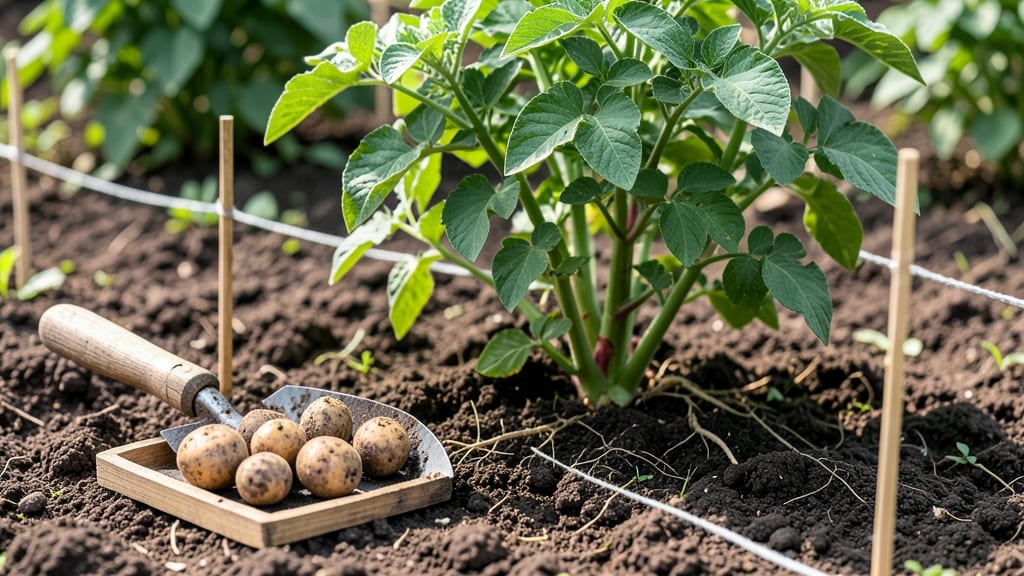
Planting potatoes in Zone 7 at the right time ensures a bountiful harvest—and missing that window can leave you with wasted seed potatoes or stunted yields.
Timing your potato planting in Zone 7 can mean the difference between a bountiful harvest and wasted effort—get it wrong, and your spuds might rot before they even sprout. But with the right schedule, you’ll enjoy crisp, homegrown 🥔 all season long.
Zone 7’s frost dates—typically around March 15 to April 1—dictate the perfect planting window: 2 to 4 weeks before your last frost. That means late February to early March for most growers, but cooler microclimates may need adjustments.
In this guide, I’ll break down the exact weeks to plant for best yields, how to prep your soil, and which varieties thrive in Zone 7’s climate—plus tips to extend your harvest into fall.
Zone 7 potato planting schedule: exact weeks before last frost for peak growth
In Zone 7, where last frost dates range from March 15 (7a) to April 1 (7b), timing your potato planting is critical. Plant too early, and cold soil stunts growth; too late, and you risk early blight or poor yields.
The ideal window? 2-4 weeks before last frost for spring plantings, with soil temperatures hitting 45°F (7°C)—just warm enough for roots to establish without stress.
Zone 7’s 165 frost-free days also allow for a fall planting window (late summer), perfect for heat-sensitive varieties like Yukon Gold. But this requires precise scheduling to harvest before the first frost in November. Let’s break down the exact weeks and varieties that thrive in your region.
| Planting Window | Weeks Before Last Frost | Soil Temp Requirement | Best Varieties | Harvest Window |
|---|---|---|---|---|
| Early Spring | 4-6 weeks | 45°F (7°C) | Red Pontiac, Kennebec | Late May - June |
| Mid-Spring | 2-4 weeks | 50°F (10°C) | Yukon Gold, Fingerlings | June - July |
| Late Summer (Fall) | 10-12 weeks before first frost | 55°F (13°C) | Adirondack Red, Purple Viking | October - November |
For early spring plantings, aim to get seed potatoes in the ground 4-6 weeks before last frost. Cold-hardy varieties like Red Pontiac tolerate 45°F (7°C) soil and sprout faster, giving you a head start. Use black plastic mulch to warm soil quickly if temperatures lag behind your schedule.
If you prefer mid-spring plantings, wait until 2-4 weeks before last frost when soil hits 50°F (10°C). This window works best for Yukon Gold or fingerling potatoes, which thrive in warmer soil but still need cool nights for sweetness. Stagger plantings every 2 weeks to extend harvests.
Don’t overlook fall planting in Zone 7! Plant 10-12 weeks before first frost (around July 15) for a late harvest. Choose heat-sensitive varieties like Adirondack Red and use row covers to protect from early chills. This method maximizes your garden’s potential with two harvests in one season.
Pro tip: Use a soil thermometer to confirm temperatures—potatoes won’t sprout in cold soil, no matter how early you plant. If your soil runs cooler than 45°F (7°C), delay planting or opt for container growing with heated beds.
Zone 7’s variable weather can throw off even the best-laid plans. If a late frost threatens, cover plants with frost blankets or move containers to a sheltered spot. Conversely, if summer heat arrives early, prioritize shade cloth to prevent tuber scab.
For peak growth, pair your planting schedule with consistent moisture—potatoes need 1-2 inches of water weekly—and well-draining soil. Amend clay soil with compost or sand to prevent waterlogging, which causes rot. Mulch with straw to retain moisture and regulate soil temperature.
Remember: The earlier you plant, the earlier you harvest. But late plantings can still yield well if you choose the right varieties and protect them from frost. With this schedule, you’ll enjoy homegrown potatoes from late spring through fall—no grocery store spuds required!
How to adjust potato planting for Zone 7’s unique climate challenges
Zone 7’s variable weather—from late frosts to sudden heatwaves—can turn potato planting into a gamble if you’re not prepared. The key is adapting your schedule to avoid early blight and soil temperature swings that stunt growth.
I’ve learned the hard way that planting too early in cold soil leads to rot, while waiting too long risks heat stress before harvest.
To succeed, focus on soil warming, staggered plantings, and disease prevention. These three strategies let you extend your harvest window and maximize yields, even when Zone 7’s unpredictable spring throws curveballs. Let’s break down how to make it work for your garden.
- 1 Wait for soil to warm to 45°F—use a soil thermometer to avoid planting in cold, damp soil that breeds rot. Zone 7’s early spring often stays too chilly for potatoes to sprout reliably.
- 2 Plant in 2-week intervals—start with early varieties (like Yukon Gold) 2-3 weeks before your last frost, then add mid-season types (e.g., Kennebec) 2 weeks later for a continuous harvest.
- 3 Use black plastic mulch to warm soil faster and suppress weeds. This cuts early blight risks by keeping foliage dry and raising soil temps by 5-10°F—critical in Zone 7’s cooler microclimates.
- 4 Harvest early varieties first—dig up new potatoes when plants flower to avoid overcrowding. This frees up space for late-season plantings (e.g., Red Pontiac) in June for a fall harvest.
- 5 Watch for early blight—remove affected leaves immediately and space plants wider (18 inches apart) to improve airflow. Copper fungicide sprays can prevent outbreaks in humid Zone 7 summers.
One of my biggest mistakes was planting all my potatoes at once in early March—only to see half rot in the cold, wet soil. Since then, I’ve adopted staggered plantings and soil warming tricks that’ve doubled my harvest.
For example, using black plastic mulch lets me plant 2 weeks earlier than I could before, giving my early varieties a head start.
Zone 7’s late-summer heat can also stress potatoes, so I now prioritize shade cloth for late plantings and focus on drought-tolerant varieties like Adirondack Red. These adjustments let me enjoy fresh potatoes from June through October, even when the weather turns unpredictable.
To wrap it up, here’s your Zone 7 potato planting checklist: ☑️ Test soil temp—wait until it hits 45°F ☑️ Plant in 2-week batches for extended harvests ☑️ Use black plastic mulch to warm soil and suppress weeds ☑️ Harvest early varieties when flowers appear ☑️ Monitor for early blight and treat promptly ☑️ Save space for late-season plantings in June ☑️ Water deeply in the morning to avoid fungal diseases ☑️ Mulch with straw to retain moisture and regulate soil temp ☑️ Rotate planting locations yearly to prevent disease buildup ☑️ Store cured potatoes in a cool, dark place (45-50°F) for long-term storage 🌱