
Companion Plants
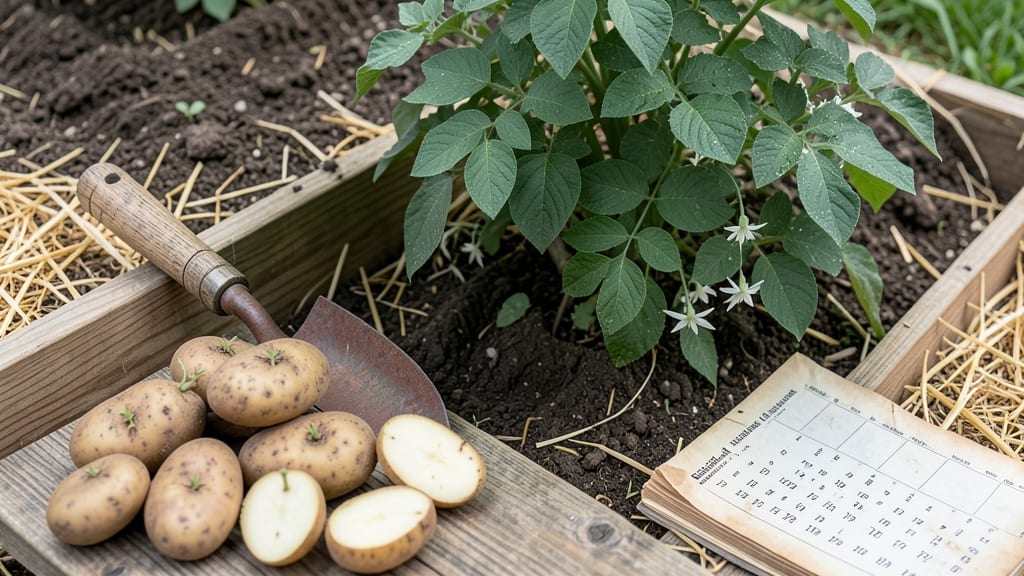
Plant potatoes in Zone 8 between February and March for a spring harvest or July to August for a fall crop—timing this right is the difference between a bountiful harvest and wasted effort.
Here’s the catch: Zone 8’s mild winters and long summers mean you can’t just follow generic advice. Plant too early, and frost might still linger; too late, and your 🥔 tubers could overheat before maturing. The key is matching your variety to the season and watching soil temperatures closely.
Early-season varieties like Yukon Gold thrive when planted in February or March, while late-season types such as Russets do better in July. Both need well-drained soil and consistent moisture, but summer heat demands extra care—think mulching and shade cloth to keep the soil cool.
Below, I’ll break down the exact planting windows, soil prep tips, and how to tell when your potatoes are ready for harvest—so you can avoid the common mistakes that leave gardeners scratching their heads in October.
Best planting months for potatoes in Zone 8: a month-by-month guide
Timing is everything when growing potatoes in Zone 8, where the balance between mild winters and hot summers creates unique challenges. Unlike colder zones, you can plant potatoes twice a year: once in early spring and again in late summer.
Each planting window offers a different harvest, but both require careful timing to avoid frost damage or heat stress.
In Zone 8, the last frost date typically falls around mid-February, while the first frost arrives in mid-November. This gives you a 240-day frost-free period, perfect for two full potato cycles.
However, soil temperature is just as critical as frost dates—potatoes thrive when soil reaches 45°F (7°C) or warmer, which usually happens by late February.
| Planting Window | Ideal Months | Soil Temp | Variety Type | Harvest Time |
|---|---|---|---|---|
| Early Spring | February-March | 45°F+ (7°C+) | Early (60-90 days) | April-May |
| Mid-Spring | April | 50°F+ (10°C+) | Mid (90-110 days) | June-July |
| Late Summer | July-August | 60°F+ (15°C+) | Late (110-120 days) | October-November |
For your first planting, aim for late February to early March when soil temperatures stabilize above 45°F (7°C). This timing ensures your early-maturing varieties like 'Yukon Gold' or 'Red Norland' finish before summer heat sets in.
Plant 4-6 weeks before your last frost date to give tubers time to establish before warmer weather arrives.
If you prefer new potatoes or want to extend your harvest, consider a second planting in July. Choose late-maturing varieties such as 'Russet' or 'Kennebec', which need 110-120 days to mature.
Plant these 8-10 weeks before your first frost to ensure tubers have time to bulk up before cooler weather arrives.
Zone 8’s microclimates can vary significantly—coastal areas stay milder longer, while inland regions experience hotter summers. If you live in a hotter inland area, opt for shade cloth or drip irrigation to protect plants from heat stress.
Conversely, coastal gardeners may push planting slightly later in spring to avoid soil erosion from heavy rains.
After planting, hill soil around stems every 2-3 weeks to encourage tuber formation. This is especially important in Zone 8’s sandy soils, which dry out quickly. Mulch with straw or grass clippings to retain moisture and regulate soil temperature, reducing the risk of scab disease caused by temperature fluctuations.
Monitor your plants closely for blossom end rot or leaf roll, common issues in Zone 8’s humid summers. If you notice yellowing leaves, adjust your watering schedule—potatoes need 1-2 inches of water weekly, but avoid waterlogging, which can rot tubers.
Morning watering minimizes fungal risks and keeps foliage dry.
For a continuous harvest, stagger plantings by 2-3 weeks in both spring and fall. This ensures a steady supply of fingerling potatoes for salads and larger tubers for storage. Store harvested potatoes in a cool, dark place with 60-65°F (15-18°C) and 85% humidity to extend shelf life.
Remember, Zone 8’s long growing season is your greatest asset—use it wisely! With the right planting timing and variety selection, you can enjoy fresh potatoes year-round, from crisp spring harvests to hearty fall crops. Happy planting! 🌱
How to adjust planting time for Zone 8’s unique climate challenges
Zone 8’s mild winters and long summers create a unique challenge for potato growers. The key is timing—avoiding early frost while preventing heat stress that stunts tuber development.
Unlike cooler zones, Zone 8 gardeners can plant twice yearly: once in early spring and again in late summer for a fall harvest.
For spring plantings, aim for February to March when soil temperatures reach 45°F (7°C). This gives tubers time to mature before summer’s intense heat sets in. Late summer plantings (July to August) work too, but require fast-maturing varieties to finish before the first frost in November.
Spring Planting (Feb-Mar)
Pros
- ✅ Longer growing season for larger yields
- ✅ Avoids summer heat stress on tubers
- ✅ Ideal for mid/late varieties (e.g., 'Russet')
Cons
- ❌ Risk of late frost if planted too early
- ❌ Requires consistent watering during dry spells
Fall Planting (Jul-Aug)
Pros
- ✅ Extends harvest season into autumn
- ✅ Avoids summer pests like Colorado potato beetles
- ✅ Works for early varieties (e.g., 'Yukon Gold')
Cons
- ❌ Limited time to maturity before frost
- ❌ Needs shade cloth if temps exceed 85°F
To beat Zone 8’s heat challenges, choose early-maturing varieties (60-90 days) for summer plantings. Varieties like 'Red LaSoda' or 'Kennebec' handle heat better than late-season types. For spring, opt for mid-season varieties like 'Russet' or 'Katahdin' to maximize yield.
Use mulch (straw or grass clippings) to regulate soil temperature and retain moisture. In July-August, provide afternoon shade with shade cloth (30-50%) if temperatures exceed 85°F (29°C). This prevents blossom end rot and improves tuber quality.
For a second harvest, try successive planting every 2-3 weeks in spring. This spreads out your harvest and reduces disease pressure. Always plant in well-draining soil enriched with compost to prevent waterlogged tubers, a common issue in Zone 8’s humid summers.
Monitor your local frost dates—Zone 8’s last frost typically occurs around February 15, while the first frost arrives November 15. Adjust planting dates by 1-2 weeks if your microclimate varies. With the right timing and variety, you’ll enjoy two bountiful harvests per year! 🌱