
How To
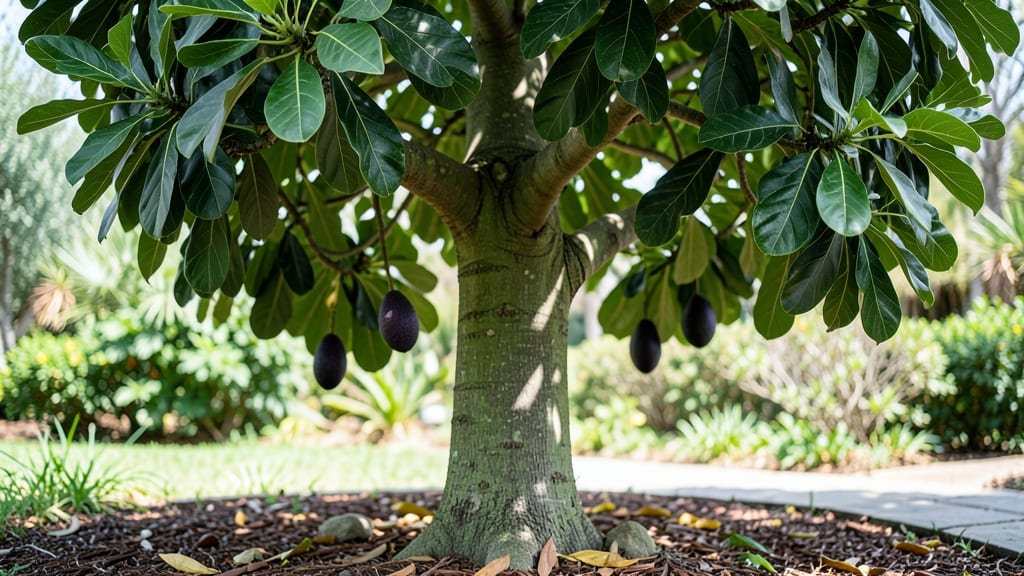
Wondering how tall does an avocado tree grow? Its height can swing from a manageable 6 feet to a towering 80 feet, depending on the variety and care you provide.
Dreaming of growing your own avocados but worried about space? The height of an avocado tree can vary dramatically—from a compact dwarf variety to a wild giant, so choosing the right one for your garden is key.
Standard avocado trees in USDA Zone 9b can reach 20–40 feet if left unpruned, while dwarf varieties stay under 15 feet, making them perfect for patios or containers.
Here’s how to pick the right size for your space, control growth with pruning, and even grow a tree indoors without sacrificing height management.

Avocado tree height by variety: dwarf vs. standard vs. giant sizes explained
If you're wondering how tall does an avocado tree grow, the answer depends entirely on the variety you choose. Avocado trees can range from dwarf cultivars that stay under 15 feet to wild-type giants that soar past 80 feet.
The right choice depends on your space, climate, and whether you're growing outdoors or in containers. Let’s break down the height ranges for popular varieties and what they mean for your garden.
Most home gardeners opt for dwarf or semi-dwarf varieties because they’re easier to manage and produce fruit sooner. These types typically reach 15–30 feet at maturity, making them ideal for backyards or even large containers.
Standard varieties, like the classic Hass avocado, can grow 20–40 feet tall in ideal conditions, while wild or untamed trees can exceed 60 feet in tropical climates. Understanding these differences helps you plan spacing, pruning, and even where to plant.
🌱 Key Factors Affecting Height:
- Variety selection (dwarf vs. standard vs. wild)
- Pruning habits (regular pruning keeps trees smaller)
- Growing conditions (sunlight, soil, and water availability)
- Container vs. in-ground planting (containers limit root growth, capping height)
The Hass avocado, the most popular variety in the U.S., typically grows 20–40 feet tall in optimal conditions. It’s a standard-sized tree that requires regular pruning to manage its height, especially in residential areas.
If you’re short on space, consider the Wurtz avocado, a dwarf variety that maxes out at 6–12 feet, making it perfect for containers or small patios. These dwarf trees also bear fruit faster, often within 3–5 years compared to 5–7 years for standard varieties.
For those with ample space, the
How to control avocado tree height: pruning, training, and container tips
Managing your avocado tree’s height starts with understanding its natural growth patterns. Without intervention, standard varieties can reach 50–80 feet, while dwarf types max out at 15–25 feet.
The key to controlling height lies in pruning techniques, training methods, and container growing strategies tailored to your space and climate. Whether you’re working with a young sapling or a mature tree, these methods will help you maintain the perfect size for your garden.
For container-grown avocado trees, height control becomes even more critical since root restriction naturally limits growth. Using espalier training or staking systems can further shape your tree’s structure while keeping it manageable.
The best time to prune is during the late winter or early spring, just before new growth begins. This timing ensures your cuts encourage healthy, controlled regrowth rather than wild, unchecked expansion.
Step-by-Step Avocado Tree Height Control
- Choose the right variety: Select dwarf cultivars like 'Wurtz' or 'Bacon' for compact growth (15–25 ft). Standard varieties (50+ ft) require aggressive pruning.
- Prune in late winter: Remove 1/3 of new growth to control height. Focus on vertical branches to encourage outward growth.
- Use container training: Grow in large pots (20+ gallons) with well-draining soil. Repot every 2–3 years to manage root growth.
- Implement espalier: Train branches horizontally along a trellis or wall to flatten the tree’s structure while maintaining fruit production.
- Stake young trees: Use 3–4 stakes to support the trunk and guide upward growth. Remove stakes once the tree is established.
- Fertilize strategically: Apply balanced fertilizer (6-6-6) in spring and summer to promote controlled, healthy growth.
- Monitor seasonal growth: Prune again in early summer to shape the tree and remove suckers or water sprouts that encourage vertical growth.
When pruning, always use sterilized tools like bypass pruners or a sharp saw to avoid disease. Cut just above a bud or branch collar to encourage proper healing.
For container-grown trees, ensure your pot has adequate drainage holes and use a lightweight potting mix to prevent root-bound stress, which can stunt growth or lead to height spikes.
If you’re growing avocados in cooler climates (Zone 9b or below), container culture becomes essential. Move pots indoors during winter to protect roots from frost, which can stress the tree and cause erratic growth patterns.
A south-facing window or grow lights can supplement sunlight during shorter days, ensuring your tree maintains steady, controlled growth.
Remember, avocado trees respond well to consistent care. Regular pruning, proper training, and attentive container management will keep your tree at your desired height while maximizing fruit production. With patience and the right techniques, you can enjoy homegrown avocados without sacrificing garden space.