
Plants
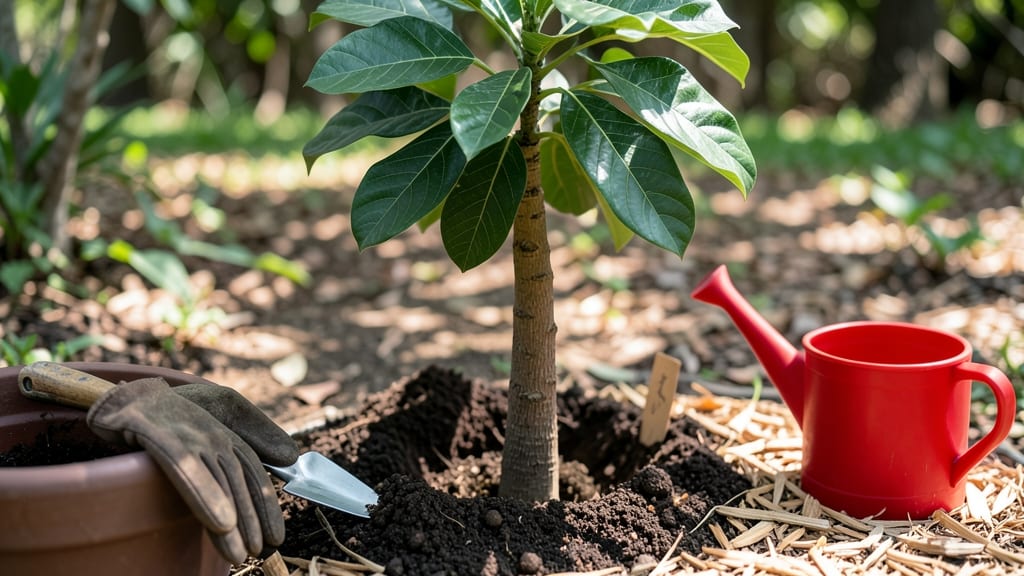
Planting an avocado tree in Florida at the right time means the difference between a thriving 🥑 orchard and a struggling sapling that never takes off.
Florida’s frost-free climate makes it one of the best places to grow avocados, but timing still matters—especially when humidity spikes in summer or soil stays too wet in winter. Skip the wrong window, and you risk stunted growth or even root rot.
In this guide, I’ll break down the best months to plant by region, whether you’re in steamy Miami, sunny Orlando, or the Panhandle’s cooler pockets. You’ll learn how to prep soil, choose the right spot, and avoid the mistakes that kill avocado trees in Florida’s tricky microclimates.
Ready for faster growth and bigger harvests? Let’s get started with the exact planting schedule that works for your corner of the Sunshine State.
Best planting months by Florida microclimate for avocado trees
Florida’s frost-free climate makes avocado trees a year-round possibility, but microclimates create dramatic differences in success rates. In North Florida, cooler winters demand earlier planting, while South Florida’s humidity requires careful soil prep to prevent root rot.
The Panhandle faces occasional cold snaps, and the Keys offer near-perfect conditions—if you avoid summer storms. Let’s break down the ideal windows for each zone to maximize your tree’s survival and fruit production.
Avocado trees thrive when planted during cooler months, but Florida’s USDA zones 9a-11 mean timing varies wildly.
In North Florida (Zones 8a-9a), plant between January and March to avoid late-winter cold snaps, while Central Florida (Zone 9b) gardeners have a broader window from October to April. South Florida (Zone 10a) can plant almost year-round, but June and July are riskier due to summer storms.
The Panhandle (Zone 8b) mirrors North Florida’s schedule, and the Keys (Zone 11) offer flexibility but require hurricane prep.
| Florida Microclimate | Best Planting Months | Avoid Planting | Soil Prep Tip | Frost Risk |
|---|---|---|---|---|
| North Florida (Jacksonville, Gainesville) | January-March | June-August | Amend with compost and sand for drainage | Low (occasional 28°F dips) |
| Central Florida (Orlando, Tampa) | October-April | May-July | Test pH (6.0-7.0) and add lime if needed | Very Low |
| South Florida (Miami, Fort Lauderdale) | September-November or February-April | June-July (storm risk) | Raise beds or use containers for poor drainage | None |
| Panhandle (Pensacola, Tallahassee) | February-March | July-August | Mulch heavily to protect roots from temperature swings | Moderate (25°F possible) |
| Florida Keys (Key West, Marathon) | Year-round (best September-December) | June (hurricane season) | Use windbreaks and elevated beds | None |
For North Florida, I recommend planting in late winter (February-March) when soil temperatures stabilize above 60°F.
This gives roots time to establish before summer’s intense heat. Central Florida’s broader window lets you plant as early as October, but avoid June-July when humidity spikes can invite fungal diseases like root rot.
In South Florida, September-November is ideal—cooler temps reduce transplant shock, and you dodge hurricane season’s worst.
The Panhandle’s cooler climate demands extra caution. Plant in February-March and use mulch blankets to insulate roots during rare cold snaps. In the Keys, you can plant almost anytime, but September-December aligns with natural rainfall patterns, reducing irrigation needs.
Always check local frost dates—even in Florida, microclimates like Lake County can hit 30°F unexpectedly.
Soil preparation varies by zone. In North and Central Florida, amend clay-heavy soils with sand and compost to improve drainage—a critical factor for avocado roots. South Florida’s sandy soils benefit from organic matter like coco coir or peat moss.
For container growing (ideal in the Keys or urban areas), use a 50/50 mix of potting soil and perlite to prevent compaction. Always plant in a hole twice as wide as the root ball to encourage outward growth.
Young avocado trees are sensitive to temperature swings, so avoid planting during heatwaves or cold fronts. In North Florida, watch for 28°F nights—even mature trees can suffer damage. South Florida’s summer
How to choose the perfect planting spot for Florida avocados
Choosing the right spot for your Florida avocado tree is just as critical as timing. While Florida’s frost-free climate gives you flexibility, microclimates and soil conditions can make or break your tree’s success.
The wrong location leads to stunted growth, poor fruit production, or even tree death—so let’s avoid those mistakes.
Start by prioritizing full sun exposure. Avocado trees thrive with 6+ hours of direct sunlight daily, but Florida’s intense afternoon sun can scorch young leaves. A spot with morning sun and afternoon shade (like near a building or tall plants) works well for seedlings.
Mature trees can handle full sun, but afternoon shade helps retain moisture during summer’s brutal heat.
Now, let’s talk about wind protection. Coastal areas like Miami or Fort Myers experience strong ocean breezes that can damage avocado trees. Plant near a windbreak—a fence, hedge, or even a sturdy building—to shield your tree.
Inland areas like Orlando or Tampa have less wind, but sudden storms can still cause issues, so avoid open, exposed spots.
✅ Key Takeaways for Planting Florida Avocados
Drainage is another dealbreaker for avocado trees. They hate soggy roots, which is common in Florida’s heavy clay soils. If your yard has poor drainage, consider planting in a raised bed or mounding soil to improve airflow.
For in-ground planting, mix organic matter like compost or peat moss into the soil to create a looser, well-aerated medium.
Don’t overlook soil pH. Avocados prefer a slightly acidic to neutral pH (6.0–7.0). Test your soil using a home pH kit or send a sample to your local extension office.
If your soil is too acidic (below 6.0), add pelletized lime; if it’s too alkaline (above 7.0), work in elemental sulfur or peat moss.
Finally, think about container growing if space is limited. Dwarf varieties like Mexicola or Wurtz thrive in large pots (2+ feet deep) with drainage holes. Place containers in a sunny spot and move them indoors during winter’s cooler months if temperatures dip below 40°F.
Just remember: containers dry out faster, so water deeply 2–3 times per week.
With the right spot, your Florida avocado tree will grow strong, produce fruit, and reward you with homegrown goodness for years. Happy planting! 🌱🥑