
How To
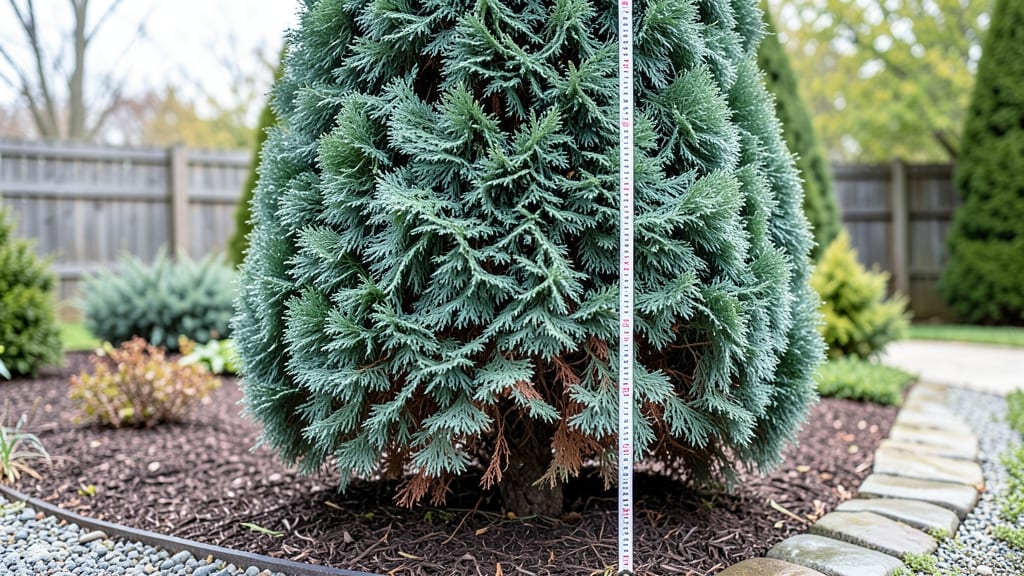
Giant arborvitae can grow 40 to 60 feet tall—taller than a four-story building—and their towering presence makes them a standout choice for privacy screens or dramatic focal points.
If you're dreaming of a towering evergreen hedge or a stunning privacy screen, giant arborvitae could be your perfect match—but their impressive height means careful planning is key.
These fast-growing evergreens shoot up 2 to 3 feet per year in ideal conditions, reaching maturity in about 10 to 15 years. That means spacing them 10 to 15 feet apart at planting is non-negotiable if you want them to thrive without crowding.
Below, I’ll break down exact height ranges by variety, spacing rules to avoid overcrowding, and pruning tips to keep them looking their best—so you can plant with confidence.

Giant arborvitae height ranges by variety: exact growth expectations
When planning your landscape, knowing how tall giant arborvitae grow is crucial—these evergreens can become architectural centerpieces or towering privacy screens. The Green Giant variety, for example, reaches heights of 40-60 feet at maturity, while others like Emerald Green stay slightly shorter but still impressive.
Understanding these height ranges by variety helps you choose the perfect fit for your space and design goals.
Giant arborvitae aren’t just about height—they also grow 1-3 feet per year in ideal conditions, meaning they’ll fill out quickly if given the right care.
Whether you’re aiming for a privacy screen, a windbreak, or a landscape focal point, selecting the right variety ensures your vision comes to life without overpowering your yard. Let’s break down the exact height expectations for the most popular varieties.
Comparison table element included below to visualize growth expectations at a glance.
The Green Giant variety is the tallest, often reaching 50-60 feet in ideal conditions, making it perfect for large properties or as a windbreak. If you’re working with limited space but still want a statement maker, Emerald Green is a great choice, typically maturing between 30-40 feet.
This variety also has a narrower growth habit, which is ideal for hedges or landscape borders.
For a balance between height and growth rate, Leap Year arborvitae grows 1.5-2.5 feet per year and reaches 35-45 feet at maturity. This makes it versatile for both privacy screens and mixed landscapes where you want a medium-height evergreen.
Always consider your landscape goals when selecting a variety—taller varieties like Green Giant will dominate your space, while shorter options like Emerald Green offer flexibility.
One common misconception is that all giant arborvitae grow at the same rate. In reality, their growth rates vary based on soil quality, sunlight exposure, and watering habits.
For example, Green Giant grows fastest in full sun with well-draining soil, while Emerald Green thrives in partial shade. Understanding these nuances helps you set realistic height expectations and plan accordingly.
If you’re planting multiple arborvitae for a privacy screen, spacing is just as critical as height. For Green Giant, space plants 10-15 feet apart to allow room for their mature width of 10-12 feet. Emerald Green, being narrower, can be planted 5-8 feet apart.
Proper spacing ensures your arborvitae have room to grow without competing for nutrients or sunlight, which directly impacts their final height and health.
Another factor to consider is pruning impact. While arborvitae don’t require heavy pruning, strategic trimming can influence their growth patterns. For instance, pruning the top growth of a young Green Giant can encourage a bushier shape, but it won’t significantly reduce its mature height.
If height control is your goal, focus on regular pruning in early spring to shape the tree while it’s actively growing.
For those in USDA Zones 5-7, giant arborvitae thrive with minimal care once established. However
Proper spacing requirements to prevent overcrowding and maximize growth
Giant arborvitae need ample space to grow their full potential—crowding leads to stunted growth, disease, and poor air circulation. The minimum spacing is 10 feet apart for standard varieties, but some like Green Giant may need 12 to 15 feet to avoid competition.
Proper spacing also ensures sunlight penetration to the lower branches, preventing brown, leggy growth.
Soil conditions play a critical role in spacing needs. In well-draining, fertile soil, arborvitae grow faster and may require extra space (up to 15 feet) to avoid root competition.
Poor soil? Space them closer (8-10 feet) and improve soil quality with compost or organic matter to support slower growth. Always test your soil’s drainage and pH before planting.
Sunlight exposure directly impacts spacing. In full sun (6+ hours daily), arborvitae grow 2 to 3 feet per year, so 12 to 15 feet apart is ideal. In partial shade, growth slows, and you can space them 8 to 10 feet apart.
Shade also increases the risk of fungal diseases, so prioritize airflow with wider spacing.
| Variety | Mature Height | Recommended Spacing | Sunlight Needs | Soil Type |
|---|---|---|---|---|
| Green Giant | 40-50 ft | 12-15 ft | Full sun | Well-draining |
| Emerald Green | 30-40 ft | 8-10 ft | Partial shade | Loamy |
| Leap Year | 30-40 ft | 10-12 ft | Full sun | Sandy loam |
For privacy screens, plant arborvitae in tight rows (6-8 feet apart) to create a dense barrier faster. However, this requires regular pruning to maintain shape and health.
If you’re planting near sidewalks or structures, keep them at least 5 feet away to avoid root damage or overcrowding that restricts growth.
One common mistake is underestimating wind exposure. In windy areas, arborvitae grow lean or unevenly if spaced too closely. Increase spacing to 15 feet and use staking for young plants until their root systems stabilize.
Mulching around the base with wood chips or pine straw also improves soil health and reduces competition from weeds.
Proper spacing isn’t just about height—it’s about long-term health. Overcrowded arborvitae suffer from pests like spider mites, fungal infections, and poor air circulation.
Plan your layout with future growth in mind: measure your property, sketch a design, and mark planting spots with stakes or spray paint before digging. This small step saves hours of pruning and potential replacements later.