
Size
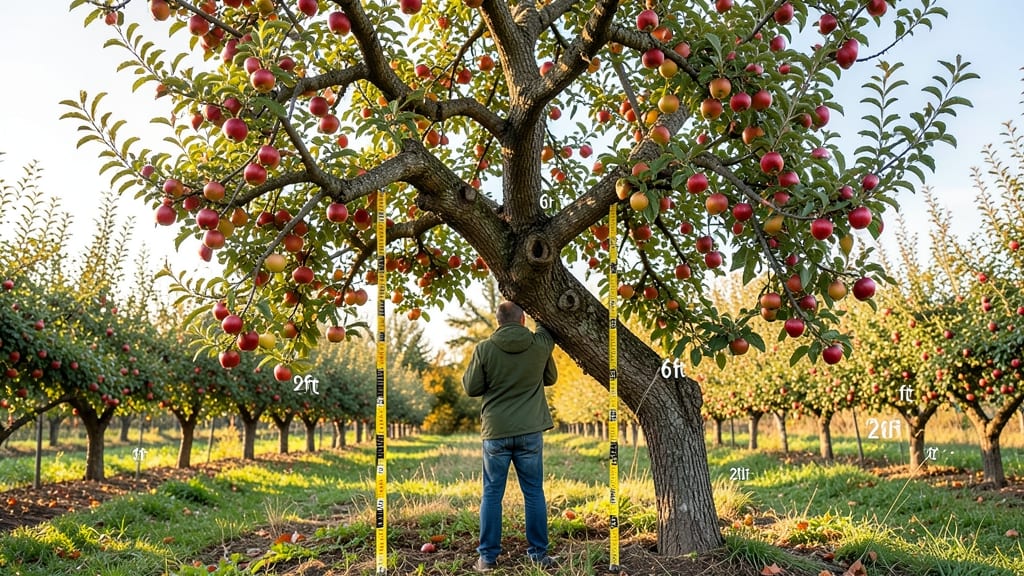
Apple trees can grow anywhere from 8 feet to over 50 feet tall, depending on the variety and how you manage them—so your backyard orchard plans might need a reality check before you dig that first hole.
Did you know some apple trees stay small enough to pick from a ladder, while others become towering giants that dwarf your two-story house? The difference isn’t just about space—it’s about rootstock, pruning, and even your local climate.
Choosing the wrong size could mean wasted effort or a harvest you can’t reach.
If you’re dreaming of fresh-picked 🍎 apples but short on yard space, dwarf varieties are the game-changer. But even those need the right care to stay compact. On the flip side, standard trees thrive in rural settings but demand serious pruning to keep them from shading out your entire garden.
In this guide, I’ll break down the height ranges for dwarf, semi-dwarf, and standard apple trees, plus the simple tricks to control growth—whether you want a tree you can prune in an afternoon or one that becomes the centerpiece of your landscape.

Apple tree height variations: dwarf to standard to giant sizes
When planning your orchard or backyard garden, one of the first decisions you’ll face is choosing an apple tree height. The size of your tree isn’t just about aesthetics—it directly impacts fruit production, maintenance ease, and even harvest accessibility.
Apple trees can range from waist-high dwarfs to towering giants, each with unique growing requirements and benefits. Understanding these variations helps you select the perfect tree for your space and goals.
The height of an apple tree is primarily determined by its rootstock, which influences both the tree’s growth rate and final mature size. Rootstocks are the underlying root systems onto which scion wood (the desired apple variety) is grafted.
By choosing the right rootstock, you can control how tall your tree will grow, making it possible to grow commercial-quality fruit in even the smallest of gardens. Let’s explore the four main height categories and their characteristics.
Dwarf apple trees are the smallest option, typically reaching 6 to 12 feet tall at maturity. These trees are ideal for small gardens, containers, or even balconies in urban settings. Popular rootstocks like M.9 and M.26 produce trees that fruit quickly—often within 2 to 3 years—and require minimal pruning. However, their smaller root systems mean they’re less drought-tolerant and may need regular watering and fertility management to thrive.
If you have a bit more space but still want a manageable tree, semi-dwarf apple trees are an excellent middle-ground option. Growing 12 to 18 feet tall, these trees offer a balance between fruit production and ease of maintenance.
Rootstocks like MM.106 and MM.111 are common choices for semi-dwarfs, providing stronger root systems than dwarfs while still fitting well in backyard orchards. They typically require 15 to 20 feet of spacing between trees to ensure proper airflow and sunlight penetration.
Standard apple trees are the classic choice for traditional orchards and rural properties, reaching heights of 20 to 30 feet or more. These trees are grafted onto seedling rootstock or vigorous varieties like MM.104, which allows them to develop extensive root systems and produce larger fruit yields. While they require more space—25 to 35 feet apart—they’re highly productive and drought-resistant once established. However, their height means they need regular pruning to manage size and improve fruit accessibility.
For those with ample land or who want to mimic a wild orchard, giant or vigorous apple trees can grow 30 to 50 feet tall or even taller. These trees are typically grown on seedling rootstock without size control, making them perfect for natural settings
How to choose the right apple tree height for your space
Choosing the right apple tree height depends on your available space, gardening goals, and local climate. In urban gardens, space is often limited, while rural areas allow for larger varieties.
The key is matching your tree’s mature height to your environment—whether that’s a balcony container or a spacious backyard orchard. Let’s explore how to make this decision with confidence.
First, consider your garden layout. A dwarf apple tree (6–10 feet) thrives in small yards, patios, or even large containers, while standard varieties (20–30 feet) need ample room to spread.
Urban gardeners often opt for dwarf or semi-dwarf trees to avoid shading neighboring plants or structures. Meanwhile, rural homesteaders may prioritize fruit production volume over space constraints, favoring taller trees.
Climate also plays a role. In colder regions, taller trees may need winter protection, while warmer climates can support larger canopies. For example, ‘Gala’ or ‘Fuji’ dwarf varieties are popular in cities due to their compact size and high yields. Always check your USDA hardiness zone to ensure the tree’s height aligns with your local growing conditions.
- 1 Dwarf Trees (6–10 ft): Ideal for containers or small yards. Varieties like ‘Columnar’ or ‘Patio’ apples grow vertically, saving space while producing fruit. Perfect for urban balconies or rooftop gardens.
- 2 Semi-Dwarf Trees (12–18 ft): A middle-ground option for medium-sized yards. These trees require 10–15 feet of spacing and are easier to manage than standard trees. Great for family gardens with kids or pets.
- 3 Standard Trees (20–30 ft): Best for large properties or orchards. These trees need 20+ feet of space and may require regular pruning to manage height. Varieties like ‘Granny Smith’ or ‘Honeycrisp’ thrive in rural settings.
- 4 Giant Trees (30–50+ ft): Rare in home gardens but found in commercial orchards. These trees need wide spacing and professional care. If you’re dreaming of a century-old apple tree, consider planting a standard variety and investing in long-term maintenance.
For small spaces, prioritize dwarf or columnar varieties. These trees are grafted onto dwarfing rootstock, which limits their height while maintaining fruit production. For example, ‘Liberty’ or ‘Enterprise’ apples are excellent choices for containers or tight yards.
Always check the rootstock type when selecting a tree—M.9 or B.9 rootstock produces the smallest trees, while MM.106 or MM.111 yields semi-dwarfs.
If you’re unsure about your space, start with a dwarf tree and use pruning techniques to control growth. Regular pruning in late winter or early spring can keep your tree at a manageable height while improving airflow and fruit quality.
Just remember: prune during dormancy to avoid spreading diseases. For urban gardeners, espalier training can turn a small tree into a decorative, space-saving feature.
Ultimately, the right apple tree height balances your space, climate, and gardening goals. Whether you’re growing a waist-high dwarf or a towering standard tree, understanding these factors ensures a successful and rewarding harvest. Happy planting! 🌳