
Plants
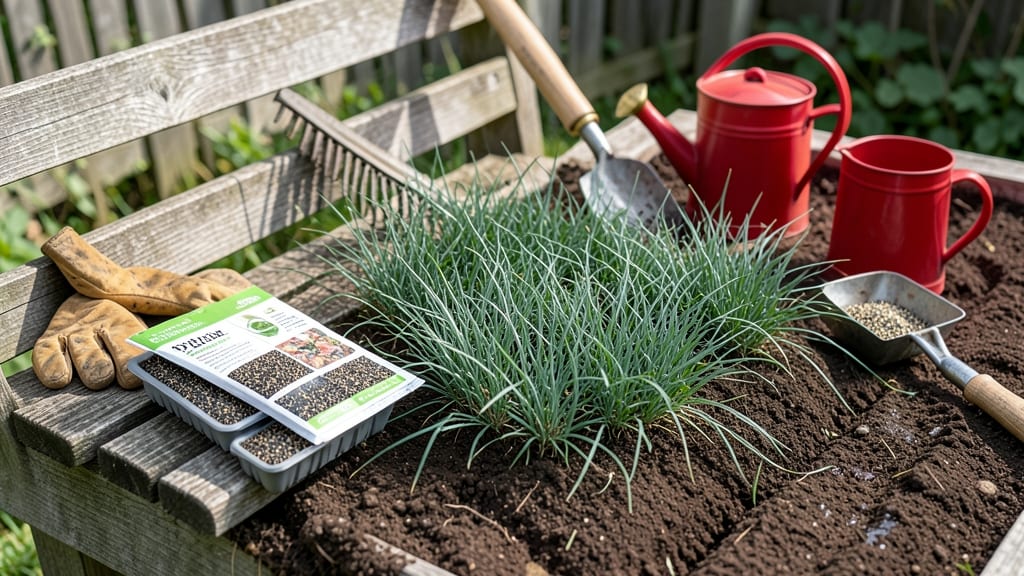
Planting winter grass in Phoenix between September and October is your best shot at a lush, green lawn before the summer heat returns.
Phoenix’s brutal summer heat can turn your lawn into a crispy wasteland—but planting winter grass at the perfect time ensures lush, drought-resistant growth when temperatures finally drop. Timing is everything, and missing the window by even a few weeks can mean weaker roots and slower recovery.
This isn’t just about picking a month—it’s about understanding how Phoenix’s microclimates, soil, and watering needs all play into your success. The right prep can make the difference between a patchy lawn and one that thrives year-round.
I’ll walk you through the ideal planting window, soil prep, and care tips tailored to Phoenix’s unique climate. Let’s get that 🌱 winter grass growing strong!
Best months to plant winter grass in Phoenix (avoid these mistakes)
Phoenix’s fall temperatures create the perfect window for winter grass growth, but timing is critical. Plant too early, and your grass may struggle with lingering summer heat. Wait too long, and roots won’t establish before winter dormancy sets in.
The ideal window is September through early October, when soil temperatures drop below 80°F but before the first frost risk (which rarely occurs in Phoenix).
Your grass needs 6-8 weeks of warm but cooling soil to develop strong roots before winter. This means late October plantings often fail—roots simply don’t mature fast enough to survive our mild winters.
In higher elevations like Carefree or Flagstaff, you might push planting to mid-October, but low desert areas like Glendale or Scottsdale should stick to September for best results.
Here’s the critical data for Phoenix’s winter grass planting window, including soil temperature thresholds and microclimate adjustments:
| Planting Window | Soil Temp Threshold | Phoenix Microclimate | Root Establishment Risk |
|---|---|---|---|
| September (Best) | 75°F–80°F | Low desert (Scottsdale, Glendale) | Low (optimal warmth) |
| Early October (Good) | 70°F–75°F | Mid-elevation (Tempe, Mesa) | Moderate (cooler nights) |
| Late October (Risky) | Below 65°F | High desert (Carefree, Fountain Hills) | High (slow growth) |
| November (Too Late) | Below 60°F | All elevations | Very High (dormancy risk) |
Phoenix’s microclimates play a huge role in success. Areas like Carefree or Fountain Hills (elevation 1,500–2,500 ft) can handle late October plantings because cooler nights help roots establish faster.
Meanwhile, low desert zones (elevation <1,000 ft) should avoid November entirely—the soil stays too warm for root development, and your grass may bolt or struggle with monsoon washout risks.
If you’re in a transition zone (e.g., North Phoenix or Gilbertsoil thermometer before planting. Aim for 70°F–75°F at a 4-inch depth. If it’s above 80°F, wait 1–2 weeks or use shade cloth to protect seedlings until temperatures drop.
Another common mistake is planting ryegrass or fescue too late and expecting summer grasses like Bermuda or Zoysia to take over. These warm-season grasses need June–July for best establishment, so don’t mix them with winter plantings—your lawn will look patchy and weak during transition months.
Pro tip: Overseed in September if you’re transitioning from summer grass. This gives winter grass 8–10 weeks to outcompete summer varieties before they go dormant. Use a slit seeder for even distribution and lightly rake existing thatch to improve seed-to-soil contact.
Watering is just as critical as timing. After planting, keep soil consistently moist (not soggy) for the first 2–3 weeks. Use a sprinkler with a rain gauge to apply ½ inch of water 2–3 times per week.
Once established, reduce to deep watering once per week—Phoenix’s winter rains often handle the rest.
Miss the window? Don’t panic. You can still overseed in November, but expect slower growth. Focus on soil health—add compost or a slow-release fertilizer (like 5-10-10) in September to give roots a head start.
And remember: shade from nearby trees can delay planting by 1–2 weeks—adjust your schedule accordingly.
With the right timing and care, your winter grass will thrive through Phoenix’s mild winters and give your lawn a lush, green look when summer grasses go dormant. Start early, monitor soil temps, and avoid these common pitfalls for a flawless transition. 🌱
How to prepare Phoenix soil for winter grass planting (step-by-step)
Phoenix’s clay-heavy soil can make winter grass planting a challenge if you don’t prep properly. The key is improving drainage while retaining moisture—especially during monsoon transitions when heavy rains can wash out seedlings.
Start by testing your soil’s pH and texture at least 4-6 weeks before planting to give amendments time to work.
Most Phoenix yards have alkaline soil (pH 7.5-8.5), which can stunt grass growth. Aim for a neutral pH (6.0-7.0) by adding sulfur or peat moss.
Mix in 2-3 inches of compost to loosen clay and improve nutrient availability. For sandy areas, blend in 1 part clay to stabilize drainage without suffocating roots.
⚠️ callout warning ⚠️
⚠️ Critical Timing Warning: Don’t Plant Too Early!
Phoenix’s soil temperatures must drop below 85°F for winter grass seeds to germinate properly. Planting in late August or early September risks heat stress—seeds may sprout but fail to establish roots. Wait until mid-September when daytime temps average 90°F or lower.
🌱 Pro Tip: Use a soil thermometer to confirm temps. Ideal planting range: 75-85°F soil temp at 2-inch depth.
Choose drought-tolerant grass varieties suited to Phoenix’s climate. Tifway 419 Bermuda is a top pick for its heat resilience, but it requires regular mowing. For low-maintenance options, consider Buffalo grass or Tall Fescue, which thrive with minimal watering once established.
Avoid cool-season grasses like Kentucky Bluegrass—they’ll struggle in Phoenix’s winters.
Install a drip irrigation system before planting to prevent water waste and erosion during monsoons. Set emitters to deliver ½ inch of water 2-3 times per week in the first month, then taper to deep watering once weekly.
Use mulch (straw or wood chips) to retain moisture and suppress weeds. Apply 1 inch of mulch after planting, keeping it 2 inches away from grass stems.
After amending soil and planting, fertilize lightly with a slow-release 5-10-10 formula (high phosphorus for root growth). Apply ½ cup per 100 sqft in September, then again in November.
Avoid fertilizing in summer months—it stresses grass during monsoon season. Finally, mow regularly once grass reaches 3 inches tall, never removing more than ⅓ of the blade height.
With proper soil prep and Phoenix-adapted grass varieties, your winter lawn will establish strong roots before summer heat returns. Monitor for pests like chinch bugs and disease signs like brown patches—early intervention keeps your grass lush year-round. 🌱