
Flowers
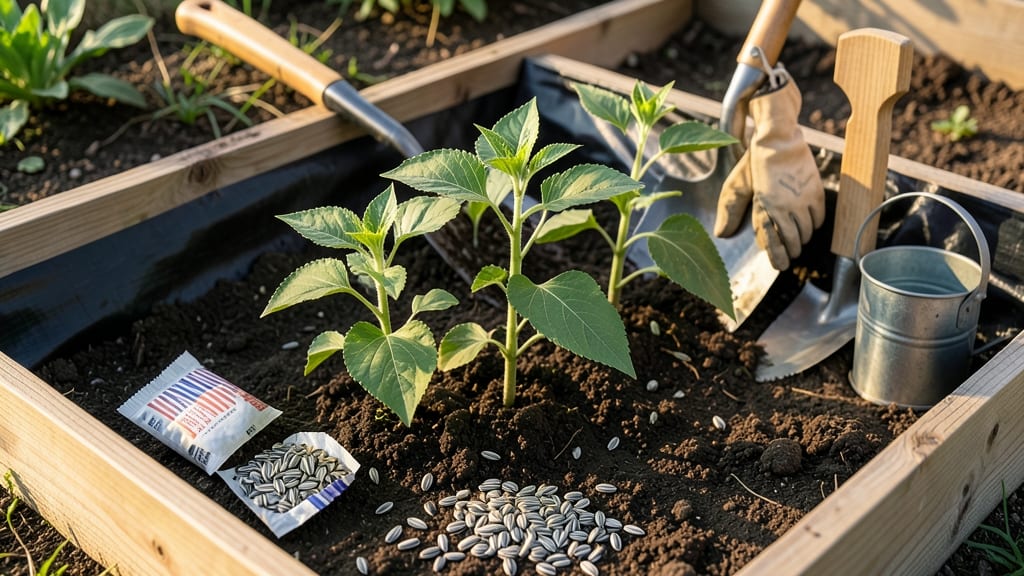
Plant sunflowers in Massachusetts between late April and early June after the last frost, when soil temperatures hit 55°F for fast germination and towering blooms.
Massachusetts gardeners know timing is everything—plant sunflowers too early, and frost will strike; too late, and your blooms may miss summer’s peak. In zones 5b-6b, the window is narrow, but a few simple adjustments can turn your garden into a sunflower paradise.
These cheerful giants thrive in full sun and well-drained soil, but their secret weapon is speed. With 50-60 days to maturity for dwarf varieties and up to 120 days for giants, you’ll need to act fast once the soil warms.
Miss the spring window? Don’t worry—late summer plantings can still deliver stunning fall blooms.
Below, I’ll break down the exact planting schedule for your zone, soil prep tips to avoid common pitfalls, and how to stretch your sunflower season from July through October—no guesswork required.
Best months to plant sunflowers in Massachusetts by hardiness zone
Sunflowers (Helianthus annuus) thrive in Massachusetts when planted at the right time—too early, and frost risks damage; too late, and your blooms may miss summer’s peak.
Massachusetts spans USDA zones 5-7, with last frost dates ranging from mid-April to early May and first frost arriving mid-October to early November. The key is planting when soil temperatures hit 55°F or warmer for optimal germination.
For dwarf varieties (1-3 ft tall), you have a slightly wider window, while giant varieties (6-14 ft) need earlier starts to reach maturity before frost. Here’s the breakdown for each zone, including soil temperature thresholds and frost risk windows to maximize your sunflower’s potential.
🌱 Pro Tip: Use a soil thermometer to confirm temperatures before planting—sunflowers won’t germinate well below 55°F. In cooler zones (5b), aim for late May planting to avoid early frost, while zone 7b gardeners can start as early as late April.
For spring planting, focus on late May to early June in most of Massachusetts to ensure sunflowers mature before frost. In zone 7a (Cape Cod), you can push planting to mid-July for fall blooms, but prioritize cold-hardy varieties like 'Autumn Beauty' that tolerate light frosts.
Sunflowers are annuals in Massachusetts, meaning they complete their life cycle in one season. Most varieties take 50-120 days to flower, depending on the type. Dwarf varieties (e.g., 'Teddy Bear') mature faster (50-60 days), while giant varieties (e.g., 'Mammoth') need 100-120 days.
💡 Key Insight:
How to extend sunflower blooms in Massachusetts: fall planting secrets
Fall planting might seem counterintuitive for sunflowers, but in Massachusetts, it’s the secret to longer bloom seasons and hardier plants. While spring plantings give you summer blooms, late summer sowings (August-September) can still produce vibrant flowers by October—just in time for fall gardens and seed-saving opportunities.
Sunflowers planted in late summer take advantage of Massachusetts’ warm soil temperatures and long daylight hours in August. These conditions create ideal germination rates, even as days grow shorter. The key is selecting fast-maturing varieties (50-60 days to bloom) that can complete their life cycle before the first frost hits.
Pros-Cons Box: Fall vs. Spring Planting in MA
Fall Planting
- ✅ Longer bloom season: Extends flowers into October
- ✅ Fewer pests: Avoids summer insects
- ✅ Hardier plants: Develops stronger roots before frost
- ✅ Seed-saving opportunity: Late blooms produce seeds for next year
Spring Planting
- ✅ Summer peak blooms: Brightest flowers in July-August
- ✅ More variety choices: Wider selection of tall/short types
- ✅ Longer growing season: More time for giant varieties
Fall Planting Challenges
- ❌ Shorter daylight: Slower growth rate
- ❌ Limited varieties: Must choose fast-maturing types
- ❌ Frost risk: Requires careful timing
Spring Planting Challenges
- ❌ Pest pressure: More aphids and beetles
- ❌ Competition: May need thinning
- ❌ Water needs: Higher demand in summer heat
For fall plantings, focus on dwarf or semi-dwarf varieties like 'Teddy Bear' or 'Moulin Rouge' (both mature in 50-60 days). These types avoid the 120-day giants that won’t finish before frost.
Plant seeds directly in the ground 1 inch deep, spacing them 6-12 inches apart to prevent overcrowding as they grow.
Prepare your soil by working in compost or aged manure to improve drainage—a critical factor for fall germination. Sunflowers need well-draining soil to avoid rot, especially in Massachusetts’ cooler fall months. Test your soil’s pH (ideal range: 6.0-7.5) and adjust if needed with lime or sulfur before planting.
Water newly planted seeds consistently to keep soil moist but not soggy. Once sprouted, sunflowers are surprisingly drought-tolerant, but fall plantings need steady moisture to establish roots before frost. Mulch around the base with straw or shredded leaves to retain soil warmth and suppress weeds.
Monitor your fall plantings closely for early signs of frost (light frost typically arrives in mid-October in MA). If flowers appear but haven’t fully opened before frost, harvest the seed heads anyway—they’ll ripen indoors.
For the best results, aim to plant by early September to give your sunflowers 8-10 weeks of growth before winter.