
Plants
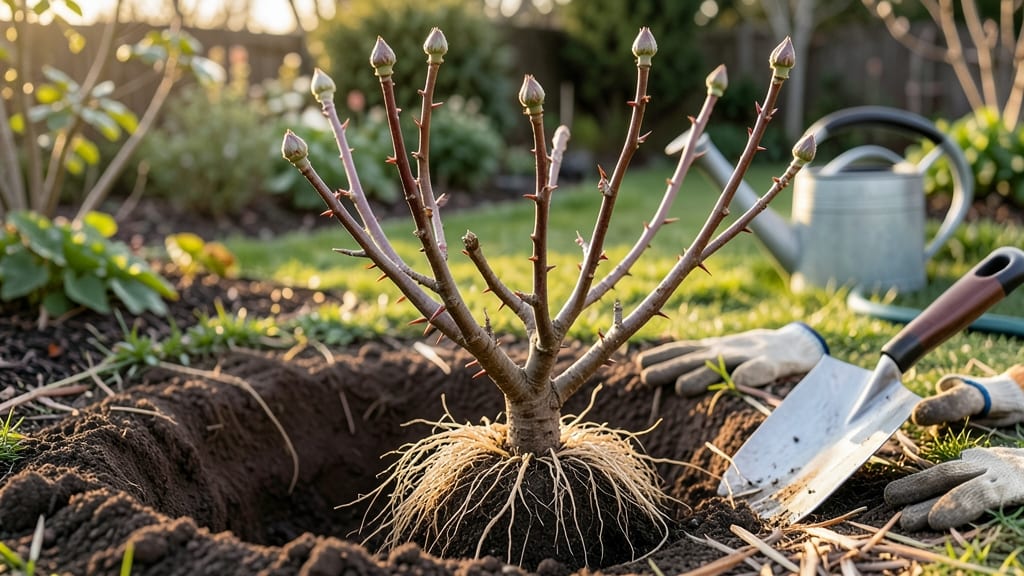
Planting roses in Utah at the right time means the difference between vibrant blooms and struggling shrubs — and the clock starts ticking in early spring or late summer.
Utah’s microclimates—from high desert valleys to mountain foothills—mean planting too early risks frost damage, while waiting too long can leave your 🌹 roses stunted. Get the timing wrong, and you’ll spend next year playing catch-up with underperforming plants.
Most Utah gardeners in zones 5-7 should aim for early spring (March-April) or early fall (September-October), but local frost patterns and elevation shifts the ideal window by weeks. Salt Lake City’s last frost typically hits around April 15, while St. George’s warmer climate allows for earlier planting.
Below, I break down the exact timing for your region, how to prep soil for Utah’s dry climate, and why fall planting often outperforms spring—plus the one trick to protect young roses from winter chill.
Utah’s best rose planting zones and microclimate-specific timing
Utah’s diverse USDA zones (5-8) and dramatic elevation shifts create unique challenges for rose gardeners. Whether you’re in St. George’s desert heat or Park City’s alpine chill, timing your rose planting is critical for survival.
The wrong window can leave your roses stunted, stressed, or worse—frozen before winter. Let’s break down the perfect planting windows for each Utah microclimate, including adjustments for bare-root vs. container-grown roses.
Most Utah gardeners focus on spring planting (March-April), but fall planting (September-October) often yields stronger roots before winter. The key? Matching your local last frost date with soil workability.
In Salt Lake City (Zone 6a), for example, the last frost typically hits mid-April, while St. George (Zone 8b) can plant roses year-round—though early fall is ideal to avoid summer heat stress.
| Location | USDA Zone | Bare-Root Planting | Container Roses | Last Frost |
|---|---|---|---|---|
| Salt Lake City | 6a (-10°F) | Mid-April to early May | March–October | Mid-April |
| Provo | 6b (-5°F) | Late April | March–November | Late April |
| St. George | 8b (20°F) | September–November | Year-round | None (mild winters) |
| Park City | 5a (-20°F) | Late May | May–September | Late May |
For bare-root roses, timing is everything. These dormant plants need 6-8 weeks to establish roots before winter sets in. In Zone 6 (Salt Lake City/Provo), aim for mid-April to early May—once soil temps hit 50°F+.
Soak roots for 2-3 hours before planting to kickstart growth. Container-grown roses, however, are more flexible. They can handle warmer soil and even summer planting in cooler zones like Park City.
Utah’s high desert climate means elevation adjustments are non-negotiable. Add 1-2 weeks to planting dates for every 1,000 feet above 4,000 ft. For example, Park City (7,000 ft) should delay planting until late May to avoid late frosts.
Use a soil thermometer—roses thrive when soil temps stay above 55°F for at least 7 days.
Pro tip: Fall planting in Utah often outperforms spring. September-October gives roots time to knit before winter, while avoiding summer heat stress. In Zone 8 (St. George), plant in early fall to capitalize on cooler temps and winter rains.
Mulch heavily (3-4 inches) to insulate roots from freeze-thaw cycles.
If you’re in St. George’s Zone 8, you’re in luck—roses can be planted year-round thanks to mild winters. But avoid peak summer (July-August) when temps exceed 100°F.
Instead, opt for early fall (September) or late winter (February) when humidity is higher. Container roses here benefit from afternoon shade during summer months.
For Salt Lake City and Provo (Zone 6), bare-root roses should go in the ground 2-3 weeks after the last frost.
Check your local National Weather Service for 32°F+ forecasts—a late frost can devastate newly planted roses. Hardy varieties like ‘Knock Out’ roses or ‘Dr. Huey’ handle Utah’s cold snaps better
Signs your Utah climate is ready for rose planting (beyond calendar dates)
Utah’s unpredictable weather can turn a perfect planting day into a frosty nightmare overnight. Relying on calendar dates alone misses critical clues—like soil temperature and local frost patterns—that determine whether your 🌹 roses will thrive or struggle.
For example, St. George’s warmer desert climate may allow planting in late February, while Salt Lake City’s last frost often lingers until mid-April.
Instead of guessing, I use three key indicators to time rose planting: soil warmth (at least 50°F), frost-free forecasts, and local weather trends. These signs help me adjust planting windows by 2-4 weeks depending on elevation and microclimate.
Skipping this step can leave your roses stressed or even dead after a surprise frost.
⚠️ WARNING: Planting Too Early in Utah’s Climate ⚠️
Pro tip: Check the National Weather Service’s frost prediction maps for your specific zip code. Utah’s mountain valleys (e.g., Logan) can have 10°F colder nights than nearby towns, creating microclimate risks even within the same county.
Another critical sign is local weather patterns. For instance, if your area typically gets 3-5 frost-free days in early April, delay planting until you’ve seen a 5-day stretch of 40°F+ nights.
I once planted Knock Out roses in early April in Provo—only for a 28°F night to blacken their leaves. Since then, I’ve made it a rule to wait until April 15 in the Wasatch Front, even if the soil is workable earlier.
For fall planting (September-October), focus on soil moisture and daytime temperatures. Roses planted in fall need 6-8 weeks to establish roots before winter. Aim for 50°F soil and 60°F+ days—ideal for St. George’s late-summer heat.
In northern Utah, September planting works best if you mulch heavily (4-6 inches) to insulate roots.
Don’t overlook wind patterns, either. Utah’s desert winds dry out soil quickly, so plant when humidity rises slightly (often after monsoon rains in July-August for fall planting). I’ve found that morning planting (before 10 AM) reduces transplant shock by minimizing wind exposure.
Pair this with a windbreak (like a temporary fence) for the first 2 weeks after planting.
Finally, trust your roses’ own signals. If you’re planting bare-root varieties, look for bud swell—a sign the plant is ready to grow. For container-grown roses, check for new leaf growth before transplanting.
These cues confirm the plant is active and resilient enough to handle Utah’s dry, variable climate. With these signs in mind, you’ll avoid the most common mistakes and enjoy healthier blooms all season. 🌷