
Plants
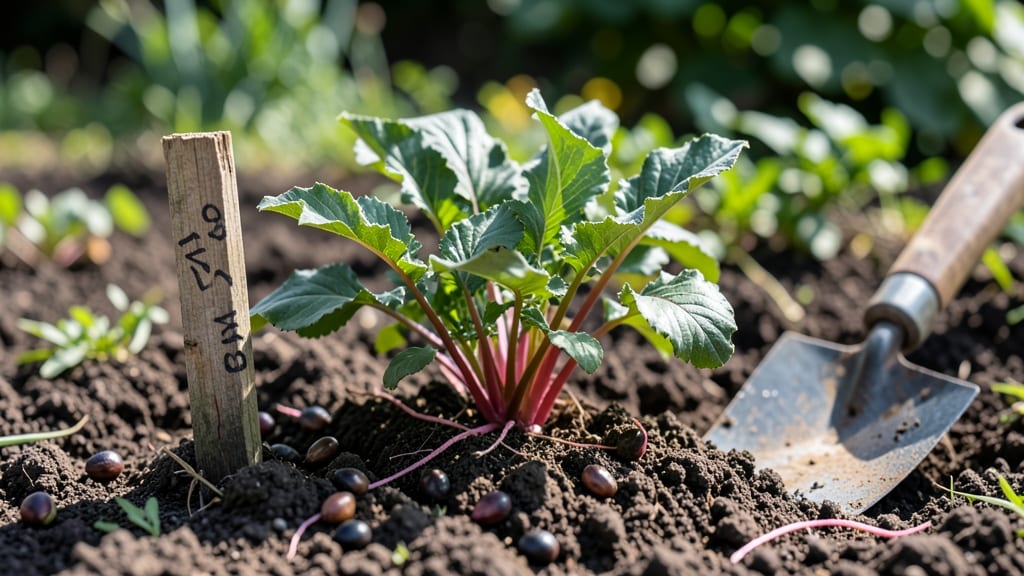
To plant radishes in Iowa, aim for March 15–April 30 in spring and August 15–September 30 for fall harvests—timing that aligns with your 5a-5b zone’s frost-free window.
Iowa’s weather can throw a curveball, though. One year, a late frost zapped my 🥕 seedlings just as they sprouted, while another summer’s heat sent them bolting before I could enjoy a single crisp bite. Getting the timing right isn’t just about the calendar—it’s about reading your garden’s signals.
Radishes are the fastest crop in your veggie patch, but they demand precision. Plant too early, and frost turns your harvest into sad, mushy pulp. Too late, and you’re left with tough, pithy roots that taste like regret.
The good news? With the right schedule—and a few pro tips for Iowa’s quirks—you can enjoy sweet, tender radishes in as little as 25 days.
Here’s how to nail your planting window, adjust for Iowa’s unpredictable swings, and even squeeze in a second harvest before winter sets in. No more guesswork—just crisp, homegrown radishes on your plate.
Best planting months for radishes in Iowa’s USDA Zones 4-5
Iowa’s USDA Zones 4-5 offer two prime windows for growing radishes: early spring and late summer. These fast growers thrive in cool soil, so timing is critical to avoid bolting or frost damage.
For most of Iowa, the last frost date typically falls around April 15, while the first frost arrives by October 15. Planning around these dates ensures a quick, crisp harvest.
Radishes like Cherry Belle and French Breakfast mature in just 25-30 days, making them perfect for succession planting. In my garden, I’ve found that planting every 2 weeks from March through September keeps us with fresh radishes all season.
The key is balancing soil warmth with air temperatures to prevent pithiness or bitter flavors.
For early spring plantings, I start seeds indoors in late February if I’m eager for an early harvest. However, direct sowing outdoors in March works well if you use a cold frame or row covers to protect seedlings.
The soil should be at least 45°F for seeds to germinate properly—colder soil can lead to uneven sprouting or rot.
If you miss the spring window, don’t worry! Late summer plantings in August can yield a second harvest before frost. Choose heat-tolerant varieties like Black Spanish or Crimson Giant, which handle warmer soil better than delicate types. Just be sure to keep the soil consistently moist to prevent bolting.
Fall plantings in September are my favorite—radishes grow quickly in cooler weather and taste sweeter after a light frost. Aim to sow seeds 6-8 weeks before your first frost date.
In Iowa, this usually means planting by September 15 for a harvest before winter sets in. Use black plastic mulch to warm the soil slightly and extend the season.
Pro tip: If you’re growing longer varieties like Rat’s Tail or Daikon, give them extra space (2-3 inches apart) to prevent crowding. Shorter types like Cherry Belle can be planted just 1 inch apart for a dense harvest. Always thin seedlings to avoid competition for nutrients.
One mistake I’ve made in the past is planting radishes too late in the season, only to watch them bolt before reaching maturity. To avoid this, monitor day length—radishes sense longer daylight hours and may flower prematurely.
If your garden is getting too hot, provide afternoon shade with a shade cloth.
Finally, radishes are fast growers, so don’t let them sit in the soil too long after maturity. Harvest when roots reach 1-2 inches in diameter—any larger, and they’ll become woody and pithy.
In my experience, 25-30 days is the sweet spot for most varieties, but always check the seed packet for specific guidance.
With these planting windows and a little attention to soil temperature, you’ll enjoy crisp, sweet radishes straight from your Iowa garden all season long. Happy planting! 🥕
How to adjust planting for Iowa’s unpredictable weather patterns
Iowa’s weather can be as unpredictable as a toddler’s mood—one minute it’s 60°F and sunny, the next it’s a 28°F surprise that turns your seedlings into popsicles.
Radishes, with their 25-day growth cycle, demand flexibility. The key is to adapt your planting schedule based on real-time conditions, not just the calendar.
I’ve learned the hard way that sticking to a rigid timeline won’t cut it. Last year, my March 15 planting got nipped by a late frost, while my August 15 batch bolted under a heatwave.
The solution? A multi-layered approach that includes row covers, succession planting, and choosing the right varieties for Iowa’s extremes.
For spring plantings, start seeds indoors under grow lights 4–6 weeks before your last frost date (around April 15 in most of Iowa). This gives you a head start if Mother Nature decides to play tricks.
For fall, aim for August 15–September 30, but be ready to adjust if summer lingers or early frost sneaks in.
⚠️ Late Frost? Don’t Panic—Here’s How to Save Your Radishes
Iowa’s average last frost is April 15, but it can hit as late as May 1. If frost is forecasted:
- Use row covers (lightweight fabric) to protect seedlings by 5–10°F.
- Plant heat-tolerant varieties like ‘French Breakfast’ or ‘Cherry Belle’—they handle warmth better.
- Succession plant every 2 weeks in spring for staggered harvests if frost delays germination.
Pro tip: Check the National Weather Service for your local frost advisory and act 24–48 hours before the predicted frost.
Heatwaves are another Iowa nemesis. When temperatures soar above 85°F, radishes bolt (send up flowers) faster than you can say “pithy texture.” To combat this, choose longer-day varieties like ‘Black Spanish’ and provide afternoon shade with a simple shade cloth or drip irrigation to keep soil cool.
Mulch with straw to retain moisture and prevent soil temperature spikes.
Drought is a real threat in Iowa’s summer, especially in USDA Zone 5b. Radishes need consistent moisture—let the soil dry out, and you’ll end up with tough, woody roots. Water deeply early in the morning and mulch with grass clippings or straw to lock in moisture.
If drought hits, prioritize shorter varieties like ‘18-Day’ radish, which mature before the heat peaks.
For continuous harvests, practice succession planting. Sow a new batch every 10–14 days from spring through early summer, then again in late summer for fall. This ensures you’re always harvesting fresh radishes, not dealing with a glut of overgrown roots.
Pair radishes with carrots or lettuce to maximize space and improve soil structure.
Finally, don’t overlook the power of container gardening. If your in-ground soil is too cold or too dry, grow radishes in 5-gallon buckets filled with well-draining potting mix. You can move containers to sunnier spots or shadier areas as needed, giving you full control over growing conditions.
With these adjustments, you’ll turn Iowa’s weather quirks into opportunities for abundant, crisp radishes all season long. 🌱