
Companion Plants
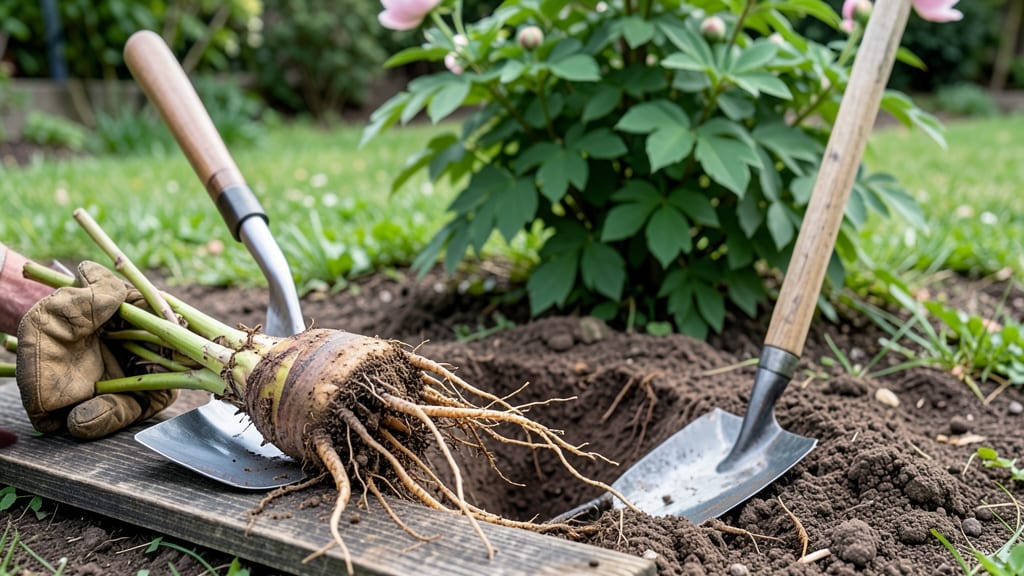
Planting peonies in PA at the right time means the difference between decades of blooms or a wasted investment—and the clock starts ticking sooner than you think.
Peonies are the crown jewels of Pennsylvania gardens—fragrant, long-lasting, and effortlessly elegant—but planting them at the wrong time can mean years of disappointment. Timing is everything, especially in PA’s unpredictable climate where frost can strike early or late.
Most gardeners in zones 5-7 swear by early fall planting, but spring works too if you act fast. Bare-root peonies need soil temps to drop below 60°F, while container-grown varieties give you a slightly longer window.
Below, I’ll break down the best months for your zone, how to prep roots for PA’s heavy clay soil, and the one mistake that kills 90% of first-time peony plantings before they even bloom.
Best planting months for peonies in Pennsylvania’s climate zones
Pennsylvania’s diverse climate—from USDA Zone 5b in the north to Zone 7a in the south—means peony planting timing varies dramatically. In colder northern zones like Erie or State College, early fall planting is critical to establish roots before winter.
Meanwhile, Philadelphia or Pittsburgh gardeners in Zone 6-7a can extend their window into late spring with minimal risk.
Peonies thrive when planted during their dormant season, either in early fall (September-October) or early spring (March-April). This timing allows roots to establish before extreme heat or cold. Bare-root peonies (most commonly sold) prefer fall planting, while container-grown varieties can handle spring planting with proper care.
Urban gardeners in cities like Pittsburgh or Allentown often face microclimate challenges—heat islands can delay frost, while shaded alleys may stay cooler. Rural areas in Zone 5b (e.g., Scranton or Williamsport) need earlier fall planting to avoid winter heaving.
Always check your last frost date (typically mid-April in most of PA) as your guide.
Here’s your PA-specific planting timeline broken down by zone and season:
If you’re planting in early fall, aim to get peonies in the ground 4-6 weeks before your first frost. This gives roots time to knit before winter. In Zone 5b, that’s typically by October 15, while Zone 7a gardeners can push it to November 1.
Spring planting is trickier in colder zones. In Zone 5b-6a, wait until soil temperatures rise above 50°F (usually mid-April) to avoid frost damage. Container-grown peonies handle spring planting better than bare-root because their roots are already established.
Microclimates play a huge role in PA. Urban gardens in Pittsburgh or Philadelphia often experience heat islands that delay frost. Monitor your local weather and adjust planting dates accordingly. Rural areas with cooler nights (like the Poconos) may need earlier fall planting to prevent winter heaving.
Once planted, mulch heavily (3-4 inches) with straw or shredded leaves to protect roots in winter. In Zone 5b, this is non-negotiable—without mulch, peonies can heave out of the ground during freeze-thaw cycles. In warmer zones like Zone 7a, mulch helps retain moisture during summer droughts.
Remember: Peonies hate being moved once established. Choose your planting spot carefully—these perennials can live for 50+ years with proper care. A sunny, well-draining location with 6+ hours of sunlight is ideal for maximum blooms.
For bare-root peonies, soak roots for 2-4 hours before planting to rehydrate. In container-grown varieties, gently remove excess soil from the roots to encourage new growth. Both types should be planted with the eyes (buds) facing upward and 2-3 inches deep.
🌸
How to prepare peony roots for PA’s soil and weather challenges
Pennsylvania’s heavy clay soil and freeze-thaw cycles create unique challenges for peony roots. Without proper preparation, your plants may suffer from root rot, winter heaving, or slow establishment. The key is to mimic their natural habitat—well-draining, slightly acidic soil with protection from extreme moisture.
Start by inspecting your bare-root peonies for any shriveled or mushy roots. Trim damaged roots with sterilized pruners, leaving only firm, white roots. Soak the roots in lukewarm water for 1-2 hours before planting to rehydrate them gently—this prevents transplant shock in PA’s often-dry autumn air.
🌱 Step-by-Step Root Prep for PA’s Climate
- 🔹 Test your soil: Aim for pH 6.5-7.0. PA’s native soil is often alkaline—amend with peat moss or compost to lower pH if needed.
- 🔹 Loosen the soil: Dig a hole 18-24 inches wide and 12 inches deep. Mix in 3 inches of compost and 1 part perlite to improve drainage.
- 🔹 Plant at the right depth: Position the root crown (where roots meet stems) 2 inches below soil level. Deeper planting causes rot; shallower risks heaving in winter.
- 🔹 Space for airflow: Place peonies 3-4 feet apart to prevent fungal diseases common in PA’s humid summers.
- 🔹 Mulch heavily: Apply 4-6 inches of mulch (straw or shredded leaves) after planting. This insulates roots from freeze-thaw cycles and retains moisture.
PA’s winter heaving (when roots push up during freeze-thaw cycles) is a silent killer. To prevent it, water deeply after planting to settle the soil, then add a thick layer of mulch. Avoid synthetic mulches—they don’t break down and can suffocate roots over time.
If your soil is clay-heavy, mix in coarse sand or grit to improve drainage. Peonies hate soggy roots, and PA’s spring rains can turn clay into a swamp. A slight mound around the planting area helps water run off during heavy downpours.
After planting, avoid fertilizing for the first year. Peonies establish roots slowly, and excess nitrogen encourages leafy growth over blooms. Instead, focus on consistent watering—about 1 inch per week—until the plant is fully dormant in winter.