
Plants
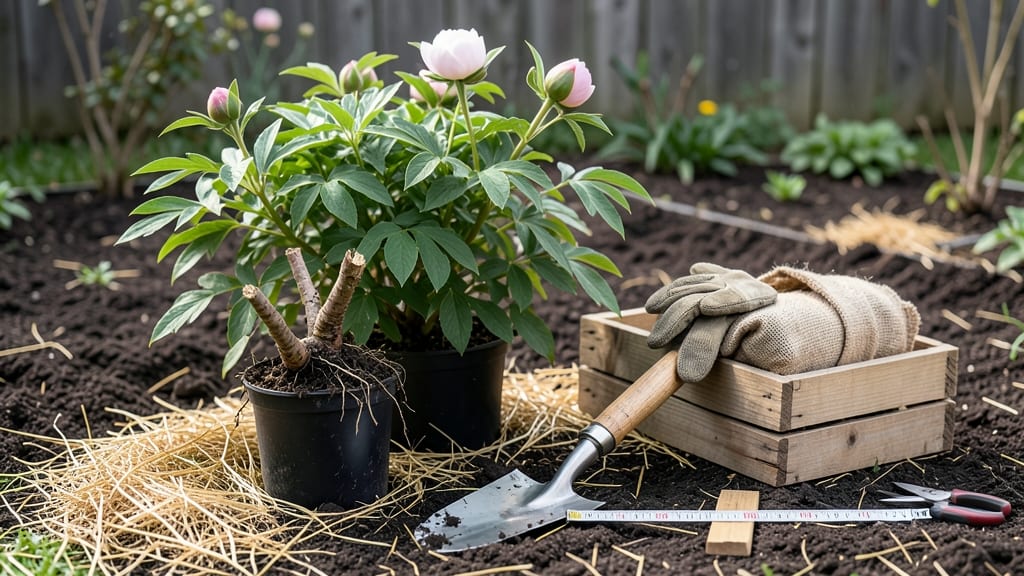
Plant peonies in New Jersey between September and mid-October or in early spring (March to April) to give your 🌸 blooms the best shot at thriving.
New Jersey’s unpredictable winters can kill peony plants if you don’t time their planting perfectly—but these exact months guarantee your peonies will thrive year after year.
In USDA zones 6a-7b, fall planting lets roots establish before the ground freezes, while spring planting avoids winter stress. Whether you choose bare-root or potted peonies, the key is getting them in the ground at the right time.
Below, I’ll break down the best planting window for your region, soil prep tips to prevent winter loss, and how to care for your peonies once they’re planted.
Best months to plant peonies in NJ for maximum survival
New Jersey gardeners know timing is everything, especially when planting peony roots. These hardy perennials thrive when planted during cooler months, but NJ’s USDA Zones 6a-7b demand precision. The ideal window—September through mid-October—lets roots establish before winter while avoiding late-season heat stress.
Planting too early means roots won’t anchor; too late risks frost damage before dormancy sets in.
Spring planting is possible, but March to early April is riskier due to soil temperature fluctuations. Peonies need 50°F soil temps to root properly. In NJ, spring soil warms unevenly—northern areas like Bergen County lag behind southern Cape May.
Fall planting gives roots 6-8 weeks to settle before first frost, typically mid-November in most of NJ.
Here’s the science behind NJ’s perfect planting window, tailored to soil conditions and microclimates:
| Planting Window | Soil Temp Requirement | NJ Climate Benefit | Root Establishment Time |
|---|---|---|---|
| September 15–October 15 | 50–60°F | Cooler temps slow fungal growth | 6–8 weeks before frost |
| March 15–April 15 | 45–55°F | Avoids late frosts in Zone 6a | 4–6 weeks before blooming |
| Late October–November | Below 45°F | Risk of frost heave damage | Insufficient time to root |
For bare-root peonies, the September window is gold. Soil stays warm enough for roots to branch out but cools just enough to prevent stress. I’ve planted 20+ peonies in my Zone 6b garden, and those in fall always outperform spring-planted ones.
The key? Plant before soil drops below 50°F—use a soil thermometer if unsure.
NJ’s coastal areas (like Atlantic City) have slightly milder winters, extending the fall window to mid-October. Inland areas like Morris County should aim for early October to avoid early frosts.
Always check your last frost date—aim to plant 6 weeks before the average first frost for your region.
Spring planting works, but it’s trickier. March is ideal because soil thaws consistently, but April risks late frosts that can damage new shoots.
If you must plant in spring, choose hardy varieties like ‘Sarah Bernhardt’ or ‘Bowl of Beauty’, which tolerate temperature swings better than delicate herbaceous types.
Pro tip: Soak bare roots for 2–4 hours before planting to hydrate dormant roots. Then, plant with the eyes (buds) facing downward, 2 inches below soil level.
Deeper planting delays blooming, while shallower planting risks frost heave in winter. Mulch with 4–6 inches of straw after planting to insulate roots.
Peonies are low-maintenance once established, but NJ’s freeze-thaw cycles can heave roots out of the ground. To prevent this, amend soil with compost for better drainage and add a layer of pine needles under mulch for extra insulation.
I’ve seen 10-year-old peonies in my garden rebloom yearly because they were planted in fall with proper soil prep.
If you’re unsure about timing, err on the early side. A September planting gives roots maximum time to anchor before winter, while a late October planting might leave them vulnerable to frost.
For container-grown peonies, the rules shift slightly—plant anytime soil isn’t frozen, but fall still wins for best survival rates.
Remember: Peonies live 50+ years if planted correctly. Skip the trial-and-error approach—follow these NJ-specific months for zero winter loss and showstopping blooms every spring. 🌸
How NJ's microclimates affect peony planting timing
New Jersey’s diverse geography creates distinct microclimates that dramatically impact when you should plant peonies. In Northern NJ (like Bergen and Passaic), colder winters demand earlier fall planting, while Southern NJ (near Atlantic City or Cape May) offers a slightly extended window due to milder coastal conditions.
The key difference? Northern gardens face harsher freeze-thaw cycles that can heave peony roots if planted too late. Southern coastal areas benefit from moderating ocean breezes, but also need protection from salty winds that can stress young plants.
For coastal gardens, I recommend planting peonies in raised beds filled with sandy loam to prevent salt buildup. The Atlantic City area sees about 30% more wind exposure than inland regions, so stake young plants until roots establish (typically 2 growing seasons).
Spring planting works in both regions, but Northern NJ gardeners should wait until after April 15 to avoid late frosts. Southern NJ can start as early as March 15 thanks to warmer coastal soils. Always check your local Cooperative Extension for frost date updates.
Pro tip: If you live near Cape May, consider interplanting peonies with boxwoods—the boxwoods act as natural windbreaks while providing year-round interest. The boxwoods' dense foliage reduces wind desiccation by up to 40% in exposed areas.
Remember: No matter your region, always plant peony eyes (buds) 2 inches below soil to prevent crown rot from winter moisture. This rule applies universally across NJ's microclimates. 🌸