
Plants
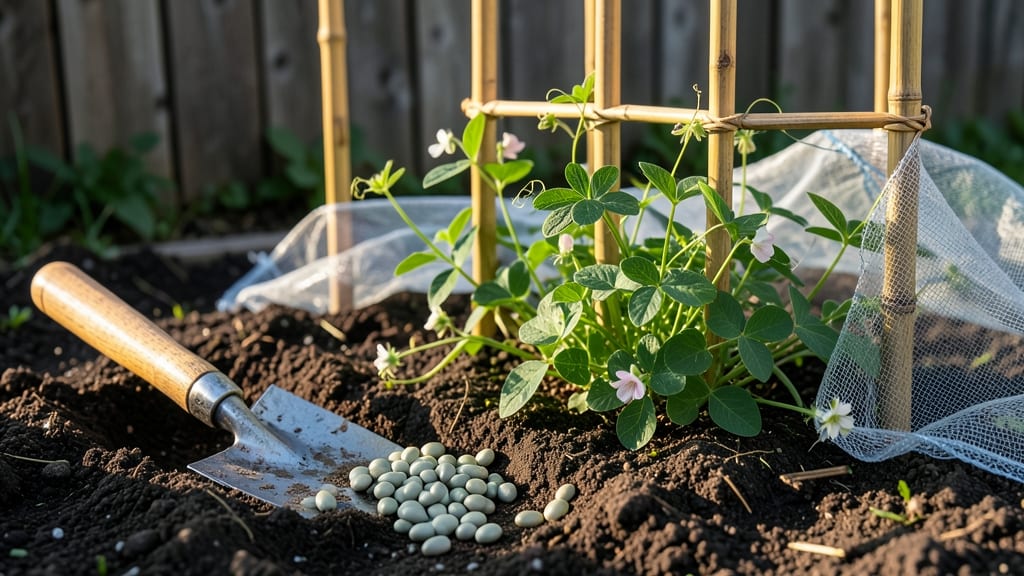
Plant peas in Minnesota 1–2 weeks before your last frost date—typically by early April in most zones, but as early as late March in southern regions like zone 5b.
Minnesota gardeners know timing is everything—especially for cool-season peas that bolt when temperatures rise. Plant too early, and frost will kill them; too late, and they’ll turn bitter or fail to thrive. Here’s your exact week-by-week planting schedule to ensure sweet, productive pea harvests all season long.
With a short growing season and unpredictable spring weather, getting peas in the ground at the right time is the key to a bountiful harvest. Whether you’re growing sugar snaps or snow peas, these deadlines will help you avoid common mistakes and maximize your yield.
Below, I’ll break down the best planting windows for both spring and fall (yes, you can try a late-summer crop!), soil prep tips, and how to stretch your harvest in Minnesota’s 3b–5b zones.
Minnesota pea planting deadlines by Zone: exact weeks for frost-free success
Minnesota’s short growing season demands precision when planting peas. The state spans USDA Zones 3-5, meaning your last frost dates can vary by 2-3 weeks from north to south.
Peas thrive in cool soil (40-50°F), so timing your planting window is critical to avoid frost damage or heat stress.
For spring plantings, aim to sow peas 4-6 weeks before your last frost date. In Zone 3-4, this often means late April to early May, while Zone 5 gardeners can start as early as mid-April.
Fall plantings are trickier but possible in Zone 4-5 with 80-90 days until first frost.
Urban gardeners in cities like Minneapolis or St. Paul may experience microclimates that delay frost by 1-2 weeks compared to rural areas. Always check your local frost calendar—the MN State Climatology Office provides updated data.
Soil temperature is your best indicator for planting peas. Use a soil thermometer to confirm 40°F+ at 4-inch depth. If temperatures fluctuate, opt for cold-hardy varieties like ‘Sugar Snap’ or ‘Green Arrow’ to extend your window.
In Zone 3-4, focus solely on spring plantings—fall harvests are nearly impossible due to early frosts. Gardeners in Zone 5 can experiment with late summer plantings for a fall harvest, but rush to plant by August 1 to avoid bolting.
Adjust for microclimates: Urban areas like Minneapolis may see warmer microclimates near buildings, allowing 1-2 weeks earlier plantings. Conversely, northern lakeside regions can experience delayed warming—monitor soil temps closely.
For succession planting, sow peas every 2 weeks in spring to stagger harvests. In Zone 5, this can extend your pea season until late June. Always use trellises to save space and improve air circulation, reducing disease risk.
If your soil stays cold past your ideal planting window, consider row covers or cold frames to protect young plants. Peas are frost-tolerant but won’t germinate in below 40°F soil—patience is key in Minnesota’s unpredictable spring.
Pro tip: Mark your pea planting dates on a gardening calendar and set reminders for succession sowings. With this precise timing, you’ll enjoy sweet, homegrown peas from May through July—no bolting or frost damage in sight!
How to extend your pea season in Minnesota: succession planting & cold-hardy varieties
Minnesota’s short growing season doesn’t have to limit your pea harvests. By using succession planting and selecting cold-hardy varieties, you can enjoy fresh peas from early spring through late summer.
The key is timing—planting in 3-4 week intervals ensures a continuous supply while avoiding the heat stress that causes peas to bolt prematurely.
Start with early-maturing varieties like ‘Green Arrow’ (55–60 days) or ‘Oregon Sugar Pod’ (60–65 days), both of which thrive in Minnesota’s cooler temperatures. These varieties can handle light frosts and produce sweet pods even when other crops struggle.
Pair them with late-summer plantings (July–early August) to extend your harvest into September.
- 1. Plant in 3-4 week intervals: Start first batch 4–6 weeks before last frost (early April), then repeat every 3 weeks until early July.
- 2. Choose cold-hardy varieties: ‘Green Arrow’ (snap peas) and ‘Oregon Sugar Pod’ (sugar snap) tolerate 25–30°F and mature quickly.
- 3. Use row covers: Protect seedlings with floating row covers to extend season by 2–3 weeks in spring/fall.
- 4. Try raised beds: Warmer soil in raised beds lets you plant 1–2 weeks earlier than in-ground.
- 5. Avoid heat stress: Stop planting when soil temps exceed 80°F—peas bolt and produce bitter pods.
For late-summer plantings, focus on shade-tolerant varieties like ‘Tom Thumb’ (dwarf peas) or ‘Little Marvel’ (shelling peas). These thrive in partial shade and can handle Minnesota’s July heat better than standard varieties. Plant them in partial shade (afternoon shade is ideal) and keep soil consistently moist to prevent bolting.
Don’t overlook fall plantings! In Minnesota’s Zone 4–5, you can sow peas as late as mid-August for a fall harvest. Use row covers to protect young plants from early frosts, and choose fast-maturing varieties like ‘Early Perfection’ (50–60 days) to ensure pods ripen before winter sets in.
To maximize space, train peas on trellises or cattle panels. This not only saves garden real estate but also improves air circulation, reducing the risk of powdery mildew—a common issue in Minnesota’s humid summers.
Harvest peas every 2–3 days to encourage continuous production, and always pick pods when they’re bright green and firm for the best flavor.
With these strategies, you can enjoy fresh peas for 3–4 months instead of just a few weeks. Start early, plant often, and choose the right varieties—your taste buds (and dinner plate) will thank you! 🌱