
Plants
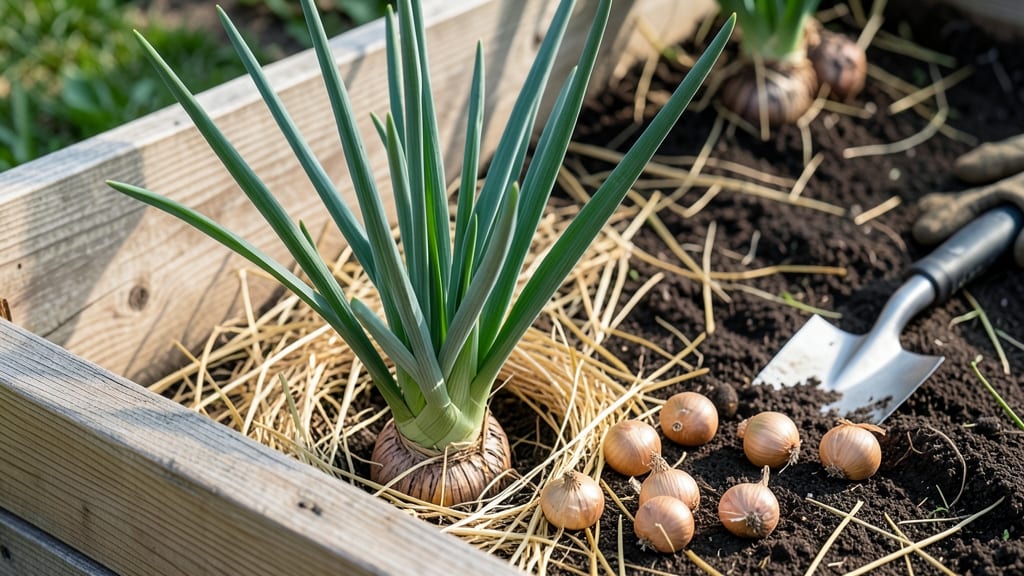
Planting onions in Central Florida at the right time means the difference between plump, sweet bulbs and bitter, stunted harvests 🧅 — and the window is narrower than you might think.
Timing your onion planting in Central Florida’s humid climate isn’t just about the calendar—it’s about aligning with moon phases and soil conditions to maximize bulb size and flavor. Miss the window, and you’ll end up with bitter, small harvests or worse, no onions at all.
Fall is your best bet, with ideal planting dates between September and November for a spring harvest. But winter planting (January–February) can still work if you choose the right varieties and watch for those rare frosts that sneak in by mid-December.
Below, I’ll break down the exact months to plant, how to use moon phases for bigger bulbs, and the three critical mistakes that ruin Florida onion gardens—including why sandy soil and summer heat are your real enemies.
Best planting dates for onions in Central Florida by variety
Central Florida’s humid subtropical climate creates unique challenges for onion growers. Unlike northern states, we don’t have to worry about harsh winters, but our sandy soils and high summer temperatures demand precise timing.
Plant too early, and you’ll risk bolting from Florida’s mild winters. Plant too late, and your bulbs won’t mature before summer heat sets in.
Onions fall into three categories based on daylight needs: short-day, intermediate-day, and long-day varieties. Each requires different planting windows to develop properly. Central Florida’s USDA Zones 9a-10a allow for two main planting seasons: fall for spring harvest and winter for fall harvest.
Let’s break down the best times for each variety.
🌱 PRO TIP: Always choose disease-resistant varieties like ‘Texas Early White’ or ‘Yellow Granex’ for Florida’s humid conditions. These perform best in our climate and resist common fungal issues.
For short-day onions, the September 15-October 31 window is critical. These varieties—like ‘Texas Early White’—need less than 12 hours of daylight to form bulbs. Planting in late summer gives them enough time to mature before Florida’s summer heat (above 90°F) stresses them.
Aim for a spring harvest between March and May when temperatures are cooler.
If you prefer intermediate-day onions, like ‘Candy’ or ‘Granex’, plant them between October 15 and November 15. These varieties handle Florida’s 10-11 hour days better and will produce larger bulbs than short-day types.
Harvest them in late spring (April-June) when daylight stretches longer, but before the humidity peaks in summer.
Long-day onions are riskier in Central Florida but can work if planted in January-February for a late summer harvest. Varieties like ‘Sweet Sandwich’ need 14+ hours of daylight to bulb, which Florida rarely provides.
If you attempt this, use shade cloth during peak sun hours to trick the plants into thinking days are longer. Expect smaller bulbs or more green onions than storage onions.
Green onions (scallions) are the most forgiving option for Central Florida gardeners. You can plant them year-round, but fall and spring yield the best results. They don’t require long daylight periods to bulb, so they thrive even in Florida’s shorter winter days.
Harvest leaves as needed—no waiting for bulbs! This makes them perfect for succession planting every 3-4 weeks.
One critical factor in Central Florida is soil temperature. Onion sets and seedlings need soil temps between 50-65°F to germinate properly. In our region, soil stays warm year-round, but summer planting (after June) can lead to bolting (premature flowering).
Always test soil temps with a thermometer before planting, especially in <
Moon phase planting guide for larger onion bulbs in Florida
Aligning your onion planting with the moon phases isn’t just old gardening lore—it’s a science-backed way to boost bulb size and storage potential in Florida’s unpredictable climate. The right lunar timing can mean the difference between small, pungent onions and plump, sweet storage bulbs that keep for months.
Since Florida’s sandy soil and humidity demand extra care, moon phase planting helps optimize moisture absorption and root development.
For Central Florida’s USDA Zones 9a-10a, the best moon phases for planting onions are the waxing moon (when the moon is growing brighter) and the full moon. These phases encourage root growth, which is critical for onion bulbs.
Avoid planting during the waning moon (when the moon is shrinking), as this phase can lead to weaker root systems and smaller bulbs.
- 1
- 2
- 3
- 4
- 5
Florida’s unpredictable weather patterns can throw off even the best-laid moon phase plans. If a warm front moves in during your planting window, delay until the next waxing moon phase to avoid stressing young seedlings.
Similarly, if a cold snap (like those rare mid-December frosts) threatens, cover your onions with row fabric to protect them while still allowing lunar energy to work its magic.
Pro tip: Keep a gardening journal to track which moon phases yield the largest bulbs in your specific microclimate. Over time, you’ll refine your timing to match Florida’s ever-changing weather—whether it’s the dry season’s intense sun or the wet season’s sudden downpours.
With the right lunar alignment, you’ll grow onions that rival commercial sizes, even in sandy soil.
Remember, the goal isn’t perfection—it’s consistency. Even a few degrees off in moon phase timing can still yield great results if your soil prep and watering are on point. Start with these guidelines, and let Florida’s unique growing conditions teach you what works best in your backyard 🌱🌿.