
Plants
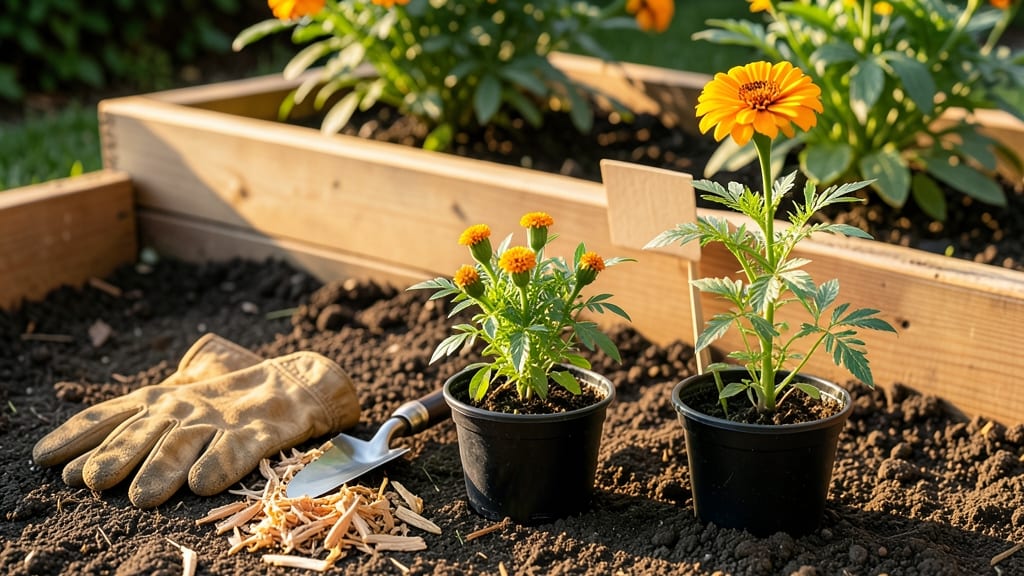
Planting marigolds in North Carolina at the right time means bold, pest-repelling blooms all summer—no weak stems or late-season disappointments.
Picture this: you’ve cleared the garden bed, the soil is warm, and you’re ready to sow seeds. But if you wait too late in spring or rush into fall, your 🌼 marigolds will struggle to establish before heat or frost strikes.
The key? Timing it 2-3 weeks after your last frost—usually by mid-April for most of the state.
North Carolina’s varied climate means coastal areas can start earlier, while Piedmont gardens might wait until May. Fall plantings? Aim for early September to give roots time to settle before winter. Get it wrong, and you’ll end up with leggy plants or no blooms at all.
In this guide, I’ll break down the exact months for your region, soil prep tips, and how to stretch your marigolds’ blooming season—so you’re harvesting vibrant flowers from May through November.
Best planting months for marigolds in NC by region (exact dates)
North Carolina’s diverse climate means your marigold planting window depends heavily on whether you live in the Coastal Plain, Piedmont, or Mountain regions. Each area has different frost dates and soil temperature thresholds—critical factors for germination.
Plant too early, and frost will kill seedlings; too late, and you’ll miss summer blooms. Let’s break down the exact monthly planting windows for each region, including soil prep tips to maximize success.
Marigolds thrive when soil temperatures reach 60°F (15°C)—a threshold that arrives earlier in the Coastal Plain than in the Mountains. Coastal areas can start as early as mid-February, while Mountain gardeners should wait until late April.
Fall planting follows the opposite pattern, with Mountain regions enjoying a longer growing season. Understanding these regional differences ensures your marigolds bloom boldly and reliably from spring to frost.
| Region | Spring Planting Window | Soil Temp Threshold | Fall Planting Window | Last Frost Date |
|---|---|---|---|---|
| Coastal Plain | Mid-February - Early April | 60°F (15°C) | Late August - Mid-September | Mid-March |
| Piedmont | Late March - Early May | 55°F (13°C) | Mid-September - Early October | Late March |
| Mountain | Late April - Early June | 50°F (10°C) | Late September - Mid-October | Early April |
For Coastal NC gardeners, the longest planting window means you can enjoy marigolds from February through September. Start seeds indoors in January for early blooms, then transplant after your last frost date (mid-March).
Coastal areas also benefit from warmer soil faster, so direct-sow seeds as early as February 15 if you’re using cold-hardy varieties like French marigolds. Just be ready to protect seedlings with frost cloth if temperatures dip below 40°F (4°C).
Piedmont gardeners have a shorter but reliable window from late March to early May for spring planting. The key here is soil temperature: Wait until the ground warms to at least 55°F (13°C)—use a soil thermometer to check.
Fall planting in the Piedmont is equally time-sensitive; aim for mid-September to give flowers time to establish before first frost (early November). Pro tip: Mix compost into the soil to retain warmth and speed up germination.
In the Mountains, where cooler nights delay growth, late April to early June is your best bet for spring planting. Start seeds indoors in March under grow lights to get a head start.
Mountain gardeners also have the advantage of a longer fall season, with planting possible until mid-October. Choose hardier varieties like African marigolds, which tolerate cooler temperatures better than French types. Always test soil moisture—Mountain soils can stay damp longer, increasing the risk of root rot.
Regardless of region, soil preparation is non-negotiable. Marigolds prefer well-draining soil with a pH of 6.0–7.5. Amend heavy clay soils with sand or compost, and avoid planting in soggy spots.
A mulch layer (straw or pine needles) helps regulate soil temperature and retain moisture—critical in NC’s humid summers. For container gardening, use a lightweight potting mix with perlite to prevent compaction.
Timing isn’t just about months—it’s about weather patterns. Check your local USDA Zone (7a–8b) and monitor frost forecasts via the NC State Climate Office. In Zone 7a (common in the Mountains), wait until after May 15 for spring planting to avoid late frosts.
In Zone 8b (Coastal), you can plant as early as February 1 if you’re using heat mats to warm the soil. Always have row covers on hand for unexpected cold snaps.
One common mistake? Planting too late in fall. If you miss the September–October window, your marigolds won’t have time to establish roots before frost. Instead, opt for succession planting: Sow a second batch in late July for a second flush of blooms in fall.
This works especially well in the Piedmont and Coastal regions, where summers are long and hot. Just remember: African marigolds handle heat better than French marigolds, so choose varieties wisely.
For direct-sown seeds, aim for 1/4-inch deep and <
How to time marigold planting for nonstop summer blooms (pro tips)
Timing your marigold planting is the secret to bold, continuous blooms from early summer through fall. In North Carolina, I’ve learned that succession planting and proper transplanting are non-negotiable for a showstopping display. Start too early, and seedlings get leggy; wait too late, and you miss the bloom window entirely.
For most of NC, the ideal window is mid-April to early May for spring plantings, giving seeds time to germinate in 60-65°F soil. But don’t stop there—fall plantings in early September ensure blooms through October’s crisp air. The trick? Stagger your plantings every 2-3 weeks for a seamless transition.
Here’s the catch: Coastal NC can start 2 weeks earlier than Piedmont gardens, while Mountain regions should wait until after May 15 to avoid late frosts. Always check your last frost date—planting too soon risks frost damage to tender seedlings.
⚠️ callout warning ⚠️
Marigold seeds need light to germinate—bury them only ¼ inch deep. Planting deeper than this causes rotting before sprouts even appear. I’ve seen gardeners lose entire batches by following "general planting rules" instead of marigold-specific advice.
Pro Tip: Use a seed starter mix with perlite to improve aeration and prevent damping-off disease.
For nonstop blooms, I recommend transplanting seedlings instead of direct sowing after your last frost. Buy 6-week-old seedlings from nurseries in early May, then harden them off for 7-10 days before planting. This gives you a 4-6 week head start on blooms compared to direct-sown seeds.
Extend your marigold season with succession planting: sow a fresh batch every 3 weeks from May through August. This ensures you always have new blooms opening while old flowers fade.
Pair this with deadheading spent blooms to encourage more flowers—my French marigolds produced 30% more blooms after I started this practice.
Don’t forget fall prep! In September, add compost to your beds and mulch heavily to protect roots. I’ve kept marigolds blooming until mid-November in Raleigh by covering them with row fabric during early frosts. The key is warm soil—marigolds won’t thrive if temperatures drop below 50°F.
With these strategies, you’ll transform your NC garden into a year-round marigold paradise, complete with pest control and pollinator magnet appeal. The secret weapon? Consistency—whether it’s timing, soil prep, or deadheading. Your future self (and your happy pollinators) will thank you! 🌼