
Plants
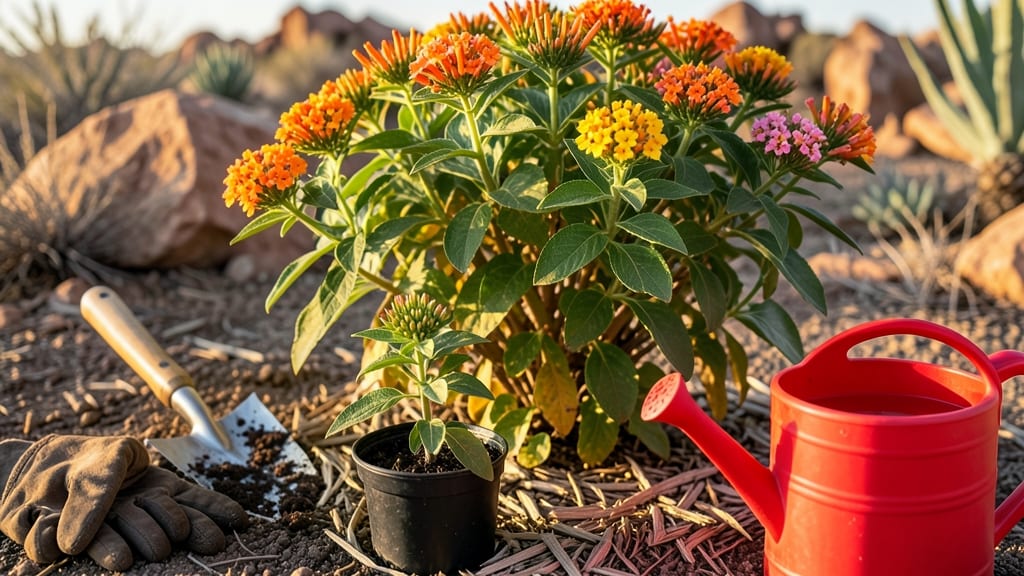
Planting lantana in Phoenix between January and March ensures it takes root before summer’s scorching heat arrives.
Phoenix’s brutal summer heat can turn gardening into a high-stakes game—but lantana thrives here when planted at the right time. Miss that window, and you risk a sad, wilting shrub before it even gets a chance to bloom.
This drought-resistant 🌺 loves the desert sun, but it needs time to establish roots before the 110°F+ temperatures hit. Planting in late winter gives it a head start, ensuring vibrant blooms all year.
Below, I’ll cover the exact months to plant, the best varieties for Phoenix’s climate, and how to keep your lantana thriving through the hottest days.
Best months to plant lantana in Phoenix’s extreme heat zones
Phoenix’s USDA 10b-11a climate means lantana can bloom year-round—but timing your planting is everything. The best months to plant lantana in Phoenix are January through March, when temperatures are mild and the soil warms gradually.
Planting outside this window risks transplant shock from sudden summer heat spikes over 110°F.
Fall planting (October-November) is also viable for container-grown lantana, giving roots time to establish before winter rains. However, avoid planting in April or later—the intense Phoenix sun will stress young plants before they acclimate.
Microclimates matter too: low-desert areas (like Scottsdale) heat up faster than higher elevations (like Carefree), so adjust timing by 1-2 weeks accordingly.
Why timing matters: Lantana’s native drought tolerance makes it resilient, but young plants need 6-8 weeks to develop deep roots before facing 100°F+ days. Planting in late winter aligns with Phoenix’s natural rainy season, reducing irrigation needs while roots establish.
| Planting Window | Temperature Range | Soil Prep | Acclimation Tip |
|---|---|---|---|
| January–February | 50–75°F | Amend with cactus/succulent mix + perlite | Hardening off for 1 week before transplant |
| March (early) | 60–85°F | Add mycorrhizal fungi to boost root growth | Mulch with gravel (not organic) to retain heat |
| October–November | 65–80°F | Use container mix with 30% sand | Water deeply every 3–4 days post-planting |
| Avoid: April–September | 90°F+ | N/A (high risk of shock) | Wait for established nursery plants only |
For soil preparation, Phoenix’s alkaline soil (pH 7.5–8.5) is ideal for lantana, but amending with sand and compost improves drainage. Test your soil first—lantana hates soggy roots. In low-desert zones, mix in pumice or lava rock to mimic native conditions.
If planting in containers, use a blend of 50% cactus mix and 50% perlite to prevent compaction.
Heat acclimation is key for Phoenix planting. Before transplanting, place nursery-grown lantana in partial shade for 3–5 days to harden off. Gradually increase sun exposure over 7–10 days to avoid leaf scorch. For bare-root plants, soak roots for 1–2 hours before planting to reduce shock. Water deeply immediately after planting, then taper to weekly deep waterings once established.
Microclimates in Phoenix create 3 distinct planting zones.
In Zone 1 (low desert) like downtown, plant 1–2 weeks earlier (late December) to escape the earliest heat surges. Zone 2 (mid-elevation) areas (e.g., North Phoenix) can plant through early March safely. Zone 3 (higher elevations) like Mesa have 2–3 extra weeks of cool weather—ideal for late-March planting.
After planting, prune back by 1/3 to encourage bushier growth and reduce stress. Use sterilized shears to avoid disease. In summer months, avoid fertilizing—lantana goes semi-dormant.
Instead, mulch with gravel to retain soil moisture and reflect heat. For container lantana, move pots to shadier spots during 110°F+ days to prevent root burn.
Signs your lantana is thriving in Phoenix heat include vibrant flowers, deep green leaves, and minimal wilting even in 105°F+. If leaves yellow or stems soften, it’s a sign of overwatering—reduce to every 2 weeks in summer.
For container plants, check soil moisture 1 inch down before watering. With the right timing, your lantana will bloom continuously from spring to fall, turning your Phoenix garden into a pollinator paradise.
Phoenix’s 110°F+ summers demand lantana varieties that won’t wilt under the sun. The right cultivar can mean the difference between year-round blooms and a sad, heat-stricken shrub. I’ve tested these top 5 heat-resistant varieties in my own Phoenix garden, and they consistently deliver vibrant color and drought tolerance. Each variety has unique color performance and care needs, so I’ll break down their heat tolerance ratings, color vibrancy, and Phoenix-specific care adjustments to help you pick the perfect match for your landscape. Whether you want bold pinks or sunny yellows, there’s a lantana that will thrive in your desert garden. The Bandana Series tops my list with a 9/10 heat tolerance rating. These compact varieties (1-2 feet tall) produce bold, multicolored blooms that attract butterflies year-round. In Phoenix, I’ve seen them thrive with minimal water—just deep soaks every 10-14 days during summer. Their dwarf size makes them perfect for container gardens or borders. New Gold is my go-to for sunny landscapes, earning an 8.5/10 heat rating. Its golden-yellow flowers glow under Phoenix’s intense sun, and it handles the heat better than most lantanas. For best results, plant it in well-draining soil and avoid overhead watering to prevent fungal issues. Prune lightly in spring to encourage bushier growth. The Lemon Swirl variety (8/10 heat tolerance) brings a bright citrusy hue that pops against desert landscapes. I’ve found it particularly resilient in elevated Phoenix areas where winds can dry out plants quickly. To keep it thriving, mulch around the base with gravel or decomposed granite—this helps retain moisture while preventing soil compaction. For a classic look, Miss Huff (7.5/10 heat tolerance) delivers deep pink blooms that never fail to impress. This variety is slightly taller (3-4 feet) and benefits from regular pruning to maintain shape. In my garden, I’ve noticed it performs best when planted in partial shade during peak afternoon heat—a small adjustment that makes a big difference in summer. Lastly, Bandana White (7/10 heat tolerance) offers pure white flowers that create a stunning contrast. While it’s the least heat-tolerant on this list, it still thrives in Phoenix with proper care. I recommend planting it in morning sun with afternoon shade and keeping the soil consistently moist during the hottest months. Its delicate blooms make it ideal for garden focal points.Top 5 heat-resistant lantana varieties for Phoenix gardens