
Plants
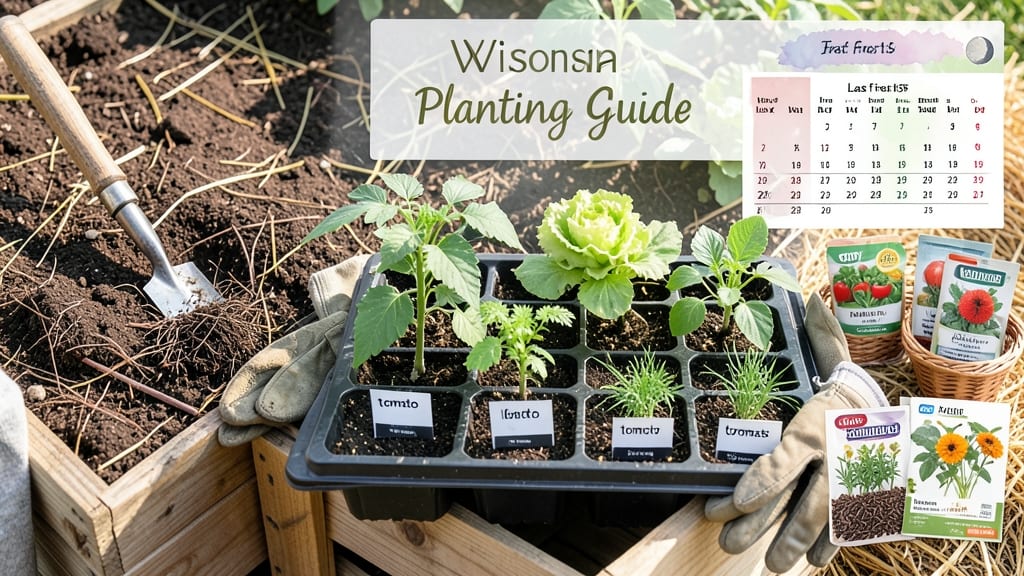
Planting in Wisconsin at the right time means the difference between a thriving garden and a lost season 🌱 — and with zones 4a-5b, timing is everything.
Wisconsin’s unpredictable climate can make or break your garden—planting at the wrong time means stunted growth or lost crops. But with the right timing, you’ll enjoy bountiful harvests year after year.
Spring planting kicks off in April once soil warms to 50°F, while fall crops go in by September before the first frost. Whether you’re growing tomatoes, kale, or perennials, knowing your zone and last-frost dates is the key.
Below, I break down the best planting windows for Wisconsin’s three regions, plus soil prep tips and microclimate adjustments to keep your garden on track all season long.
Wisconsin planting zones & best dates by season
Wisconsin spans USDA hardiness zones 3-5, creating distinct planting windows across its northern, central, and southern regions. Understanding these zones helps you time your spring, summer, and fall plantings for maximum success.
Southern WI (zone 5) enjoys earlier last-frost dates (mid-April), while northern WI (zone 3) may wait until late May.
Frost dates vary dramatically: Southern WI typically sees its last spring frost by April 15-30, while Northern WI can experience frost until May 15-30. First fall frosts arrive between October 1-15 in southern areas and September 15-October 1 in the north.
These variations mean your planting timeline should adjust based on your specific location.
Here’s a quick reference for spring, summer, and fall planting across Wisconsin’s zones, including frost-free averages and ideal windows for vegetables, flowers, and herbs:
For spring planting, focus on cool-season crops like peas, lettuce, and spinach as soon as soil can be worked (around 40°F). Wait until after the last frost to plant warm-season crops such as tomatoes, peppers, and cucumbers.
In Southern WI, you can start tomatoes indoors by March 1, while Northern WI gardeners should delay until April 1.
Summer planting in Wisconsin centers on succession planting for crops like beans, zucchini, and basil.
Sow seeds every 2-3 weeks until mid-July to extend harvests. Herbs like dill and cilantro thrive in summer but may bolt in hot, dry conditions, so provide consistent moisture. Flowers such as marigolds and zinnias can be planted throughout summer for continuous blooms.
Fall is ideal for cool-season vegetables like kale, carrots, and broccoli.
Plant these 6-8 weeks before the first frost to ensure harvest before winter sets in. Southern WI gardeners can plant until September 15, while Northern WI should finish by August 30. Perennials and bulbs like tulips and daffodils should be planted in fall for root establishment before winter.
Microclimates play a key role in Wisconsin gardening. Urban areas may experience earlier last frosts due to heat absorption, while rural areas can have colder pockets. Use frost cloths or cold frames to extend seasons in colder zones.
For container gardening, move pots closer to the house at night to protect tender plants from unexpected frosts.
Always check soil temperatures before planting. Most seeds need soil at 50°F or warmer for germination. Use a soil thermometer to avoid planting too early.
In Northern WI, wait until late May for warm-season crops, while Southern WI can start earlier. Peat moss or black plastic mulch can warm soil faster in cooler zones.
Adjust your planting schedule based on local weather patterns. If you’ve experienced late frosts in past years, err on the side of caution and plant 2 weeks later than average. Keep a
How to adjust planting times for Wisconsin’s unpredictable weather
Wisconsin’s unpredictable frost dates and variable soil temperatures can throw off even the most experienced gardeners. One year, you might plant peas in early April, only to see them nipped by late frost.
The next year, those same peas thrive with a two-week earlier start. The key is flexibility—adjusting your planting schedule based on real-time conditions rather than relying on averages.
Start by tracking your local frost-free dates for the past 5 years. While the USDA average for last frost in Milwaukee might be May 10, your rural farm in northern Wisconsin could see frost well into June.
Use weather stations or apps like Old Farmer’s Almanac to get hyper-local data. I’ve found that setting reminders for 14 days before the average last frost date helps me prepare for early starts.
⚠️ callout-warning ⚠️
⚠️ Don’t Plant Too Early!
Cold soil (below 50°F) slows germination and can kill seedlings. Use a soil thermometer ($10 at garden centers) to test temperatures 1 inch deep—most seeds need 50-60°F to sprout. I’ve lost entire trays of seedlings by planting too soon in chilly Wisconsin springs.
Pro Tip: Cover seeds with row covers or black plastic mulch to warm soil faster. Remove covers when plants emerge to prevent overheating.
For extended harvests, try succession planting. Instead of sowing all your lettuce or radishes at once, stagger plantings every 2-3 weeks until early July.
This ensures a steady supply even if early crops fail. In my garden, I’ve used this method to harvest bush beans from June through September—no gaps!
Cold-hardy varieties are your best friends in Wisconsin. Peas, spinach, and kale can handle light frosts, while broccoli and cabbage tolerate 20-25°F temps. I always plant half my cabbage in early spring and the other half in late summer for fall harvests.
Check seed packets for "cold-tolerant" labels—these are specifically bred for Wisconsin’s climate.
Don’t forget about microclimates. A south-facing wall or raised bed can add 1-2 weeks to your growing season. I’ve seen tomatoes ripen 10 days earlier when planted near my brick house.
Use frost cloth on tender plants during late spring or early fall to protect them from unexpected cold snaps.
Finally, keep a garden journal to track what works each year. Note when you planted, any unusual weather events, and how crops performed. After 3 years, you’ll spot patterns—like how my zucchini always bolts early if planted before May 20.
Adjust your schedule accordingly, and you’ll outsmart Wisconsin’s weather every time. 🌱