
Plants
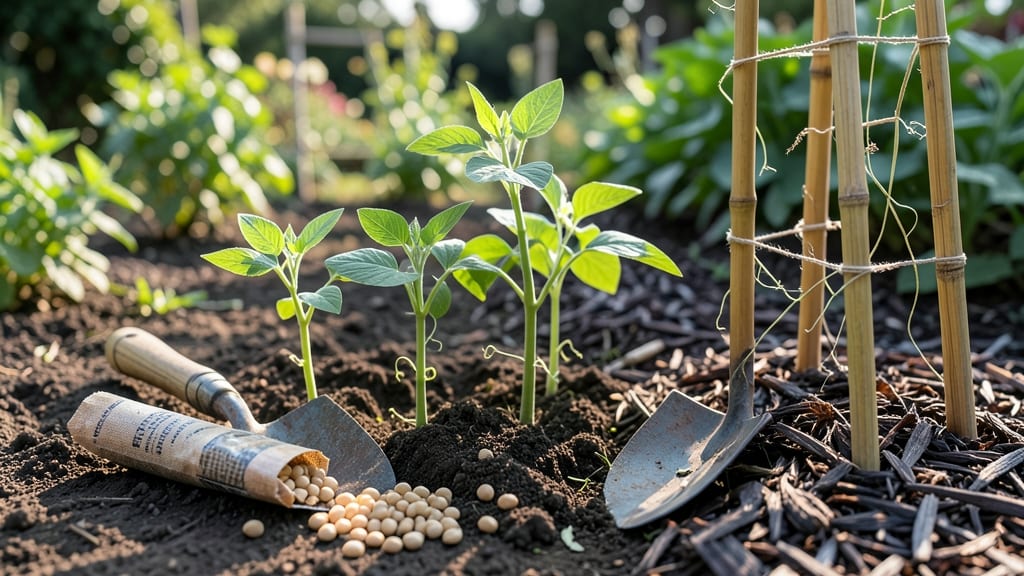
Plant peas in Connecticut between early March and mid-April for the sweetest harvests 🌱 — timing is the difference between a thriving crop and a frost-killed disappointment.
Connecticut gardeners know timing is everything—plant peas too early, and frost will ruin your crop; too late, and you’ll miss peak harvest season. Get the exact planting schedule tailored to Connecticut’s climate zones to ensure sweet, thriving peas all season long.
With USDA Zone 6a’s unpredictable spring weather, knowing when to sow your seeds is critical. The ideal window starts 4-6 weeks before your last frost date (around April 15 in most of the state), but early varieties can handle cooler soil temperatures, giving you a head start.
In this guide, you’ll discover the precise months to plant, how to choose between early and late varieties, and simple tricks to extend your harvest—so you can enjoy fresh peas from May through June without a single wasted seed.
Connecticut pea planting calendar: best months by climate Zone
Connecticut’s diverse climate means your pea planting schedule should match your specific USDA Zone and microclimate. The state spans Zone 5-6 (inland areas like Hartford) and Zone 6-7 (coastal regions like New Haven).
These zones experience different last frost dates, which directly impact when you should plant your peas for the best yield.
In Zone 5-6, gardeners typically see their average last frost date around April 20-25. Meanwhile, Zone 6-7 areas along the coast can plant as early as March 25-April 10, thanks to milder spring temperatures.
Understanding these differences ensures you avoid planting too early (risking frost damage) or too late (missing peak harvest).
Peas thrive in cool soil temperatures between 40°F and 85°F, but they germinate best when soil reaches 45°F. In Connecticut, this usually aligns with late March to early April for most regions, but coastal areas can start slightly earlier. Always check your local frost forecast before planting.
Soil preparation is just as critical as timing. Peas prefer well-draining soil with a pH between 6.0 and 7.5. Amend your soil with compost or aged manure 2-3 weeks before planting to improve fertility. In Connecticut’s clay-heavy soils, adding organic matter helps prevent waterlogging, which peas despise.
Now, let’s break down the exact planting windows for each zone, including coastal vs. inland considerations.
For Zone 5-6 gardeners, aim to plant peas between March 25 and April 15. This window ensures your seeds germinate before the last frost but avoids planting in overly wet, cold soil that can stunt growth.
Inland areas like Litchfield County often experience colder microclimates, so err on the later side of this window if your spring has been chilly.
In Zone 6-7, coastal regions like Groton or Stamford can push planting back to early March for early varieties like 'Early Sugar Snap' or 'Little Marvel'. These areas benefit from the moderating influence of Long Island Sound, which delays frost and warms soil faster.
If you’re near the coast, consider planting hardy varieties like 'Telephone' (a dwarf pea) as early as February 20 under row covers.
Don’t overlook fall planting, which can extend your harvest into early October. Both zones can plant peas in late August or early September for a cool-season crop. In Zone 6-7, you might push this to mid-September to take advantage of slightly warmer coastal soils.
Use cold-hardy varieties like 'Green Arrow' and protect seedlings with frost cloth if nights dip below 30°F.
Always monitor your local weather forecasts and adjust planting dates accordingly. A sudden cold snap in April can delay
How to extend your pea harvest season in Connecticut gardens
Connecticut’s short growing season means we have to work smarter—not harder—to enjoy fresh peas from spring to fall. The key is succession planting and cold-hardy varieties that thrive in our unpredictable climate.
By using these strategies, you can stretch your harvest from early May through late June—or even later with protective measures!
Most gardeners focus only on spring planting, but peas actually grow best in cool temperatures. This makes them perfect for both early spring and late fall harvests.
The trick is choosing the right varieties and timing your plantings to avoid frost damage while maximizing yield in Connecticut’s USDA Zone 6a.
- 🌱 Plant early varieties (like 'Early Perfection') 4-6 weeks before last frost (early March) for spring harvests.
- 🌿 Use succession planting—sow seeds every 2 weeks from March to May for staggered harvests.
- 🛡️ Protect late fall plantings with row covers or cloches to extend harvest into October.
- ☀️ Choose cold-hardy varieties like 'Green Arrow' or 'Sugar Snap' that tolerate light frosts.
- 🌡️ Monitor soil temps—peas germinate best in 40-70°F soil; use a soil thermometer to time plantings.
For late fall harvests, aim to plant 8-10 weeks before your first frost date (around mid-August in Connecticut). This gives your peas enough time to mature before winter sets in.
Use floating row covers to protect young plants from unexpected frosts, which can extend your harvest window by 2-3 weeks.
Another game-changer is vertical trellising. Peas grow well on stakes or netting, saving space and improving air circulation. This reduces disease risk and makes harvesting easier.
Plus, it keeps your garden beds free for other crops! Just ensure your trellis is at least 3 feet tall to accommodate tall varieties like 'Wando'.
Don’t forget to harvest regularly—picking peas every 2-3 days encourages more production. If you miss this step, your plants will stop flowering and focus on seed development instead of tender pods.
For a continuous supply, interplant peas with radishes or lettuce, which mature faster and won’t compete for space.
With these techniques, you can enjoy fresh peas for months instead of just a few weeks. Start with one method this season, then build on it—your taste buds (and dinner table) will thank you! 🌱