Plants
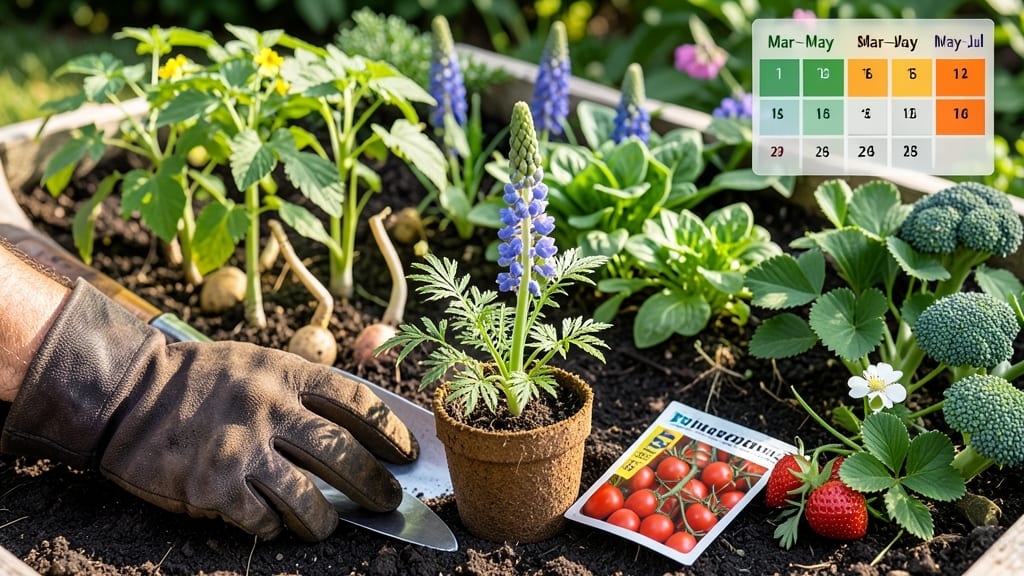
Planting in Washington State at the right time means the difference between a lush garden and a disappointing one—whether you’re in the rainy Puget Sound or the dry Columbia Basin.
Washington State’s diverse climate—from rainy coastal zones to arid eastern deserts—means planting at the wrong time can mean the difference between a thriving garden and a total loss. Timing your seeds and transplants correctly ensures stronger yields, healthier plants, and fewer pests.
If you’ve ever rushed to plant your 🌱 Washington greens only to watch them wilt under unexpected frost or struggle in overheated soil, you know how critical timing is. The key is understanding your USDA zone and last frost dates, which can vary dramatically across the state.
In this guide, I’ll break down the perfect planting windows for your region—whether you’re in the cool coastal areas or the warmer inland valleys—plus tips to adjust for unpredictable weather and maximize your harvest.
Washington State planting zones: key dates by region (2024)
Washington State spans USDA hardiness zones 4 through 8, creating dramatic differences in planting windows from the rainy Puget Sound to the dry Columbia Basin. Knowing your exact last frost date and first frost date is critical—get it wrong, and your tomatoes might freeze before ripening!
Coastal areas (like Seattle) often have later last frosts (mid-May), while Eastern WA (like Spokane) can see frost as late as June 10 in zone 5.
Microclimates add another layer of complexity. Urban areas like Seattle and Bellevue stay cooler and wetter than rural farms, while Yakima's desert climate (zone 7) allows early spring planting.
Even a 5-mile elevation change can shift frost dates by 2 weeks. Always check WSU AgWeather for hyper-local updates before planting.
Here’s your region-by-region breakdown of critical dates for spring and fall planting, including adjustments for urban vs. rural areas:
| Region | USDA Zone | Last Frost (Avg.) | First Frost (Avg.) | Spring Planting Window | Fall Planting Window |
|---|---|---|---|---|---|
| Puget Sound (Seattle, Bellingham) | 7b-8a | May 1–15 | Oct 15–30 | Apr 15–May 30 | Aug 1–Sep 15 |
| Western WA (Olympia, Tacoma) | 7a-7b | Apr 25–May 10 | Oct 1–15 | Apr 1–May 20 | Jul 20–Aug 20 |
| Eastern WA (Spokane, Wenatchee) | 5a-6b | May 10–25 | Sep 15–Oct 10 | May 1–Jun 10 | Jul 1–Aug 10 |
| Columbia Basin (Yakima, Pasco) | 6b-7a | Apr 15–May 1 | Oct 1–15 | Mar 20–Apr 30 | Jul 10–Aug 15 |
| Urban Adjustments (Seattle/Bellevue) | 7b-8a | May 5–20 (2 wks later) | Oct 20–Nov 5 (2 wks earlier) | Apr 30–Jun 15 | Aug 10–Sep 30 |
*Dates are averages—check WSU AgWeather for real-time updates.
For warm-season crops like tomatoes, peppers, and cucumbers, wait until soil temps reach 60°F—usually 2 weeks after your last frost. In zone 4 (North WA), this might mean planting cold-hardy varieties like peas or lettuce directly in early April, while zone
Best vegetables and flowers to plant by month in WA
Washington State’s varied climate means your planting calendar should shift dramatically between the cool coastal regions and warmer inland valleys.
In Zone 7 (Western WA), you can start cool-season crops like kale and peas as early as February, while Zone 4 (Eastern WA) gardeners should wait until April to avoid frost damage. Understanding these regional differences is key to maximizing your harvest.
For warm-season lovers, timing is everything—plant tomatoes and peppers too early, and they’ll bolt from cold soil. Meanwhile, perennials like lavender and rhododendrons thrive when planted in early spring or fall, avoiding the stress of summer heat.
Let’s break down the best month-by-month planting schedule for Washington’s most productive crops.
- 1. February-March: Start cool-season veggies like spinach, lettuce, and peas indoors or under cold frames. Plant garlic and onions for fall harvest.
- 2. April: Transplant broccoli, cauliflower, and kale after last frost (typically mid-April in Western WA, late April in Eastern WA). Direct-sow radishes and carrots.
- 3. May-June: Warm up soil with black plastic mulch before planting tomatoes, peppers, and cucumbers. Start succession plantings of lettuce and bush beans every 2 weeks.
- 4. July-August: Plant fall crops like kale, turnips, and beets for harvest before first frost. Transplant perennials like lavender and rhododendrons in cooler months to establish roots.
- 5. September-October: Direct-sow winter rye or clover as cover crops. Plant garlic for next year’s harvest. Extend herbs like cilantro and parsley with row covers.
Don’t forget succession planting—this technique lets you stagger harvests by sowing seeds every 2-3 weeks for crops like lettuce, radishes, and bush beans. For example, in Zone 7, you can plant lettuce in April, June, and August for continuous harvests.
This works especially well in container gardens or small urban plots.
Washington’s perennials also benefit from strategic planting. Lavender and rhododendrons should be planted in early spring or fall when soil is cool but workable. Avoid transplanting during summer heat, as it stresses roots.
For flowers like sweet peas, start seeds indoors in February and transplant after last frost for a longer blooming season.
Pro tip: Use WSU Extension’s frost date maps to fine-tune your schedule. Coastal areas like Olympia can plant 2-3 weeks earlier than inland Spokane. Adjust for microclimates—south-facing slopes warm up faster, while shaded spots stay cooler.
With the right timing, you’ll enjoy homegrown veggies from spring to fall—and maybe even overwinter a few hardy greens! 🌱