
Plants
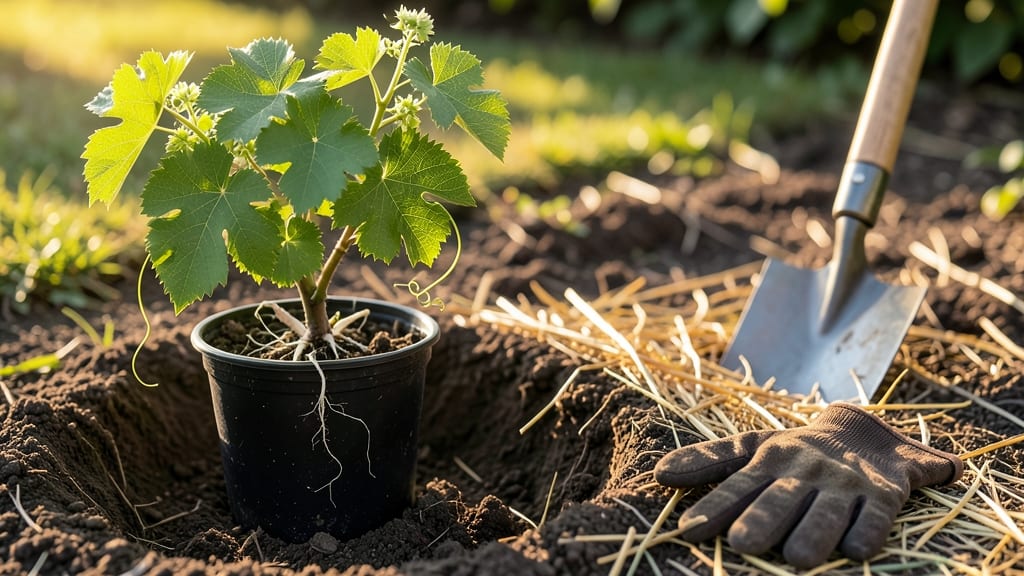
Planting grapes in Ohio requires precise timing to match your variety’s chill-hour needs with the state’s unpredictable frost dates—get it wrong, and you risk winterkill or poor fruit set.
Ohio’s late April to early May window is the safest for bare-root vines, but some cold-hardy varieties like Concord can handle fall planting if you act by October 15 before the first frost.
This guide breaks down the exact chill-hour requirements for Ohio’s top grapes—from heat-loving Cabernet Franc to frost-resistant Marquette—so you can choose the right variety for your USDA Zone 6a microclimate.
You’ll also learn how to prep your soil, protect young vines from late frosts, and avoid the three biggest mistakes Ohio gardeners make when planting 🍇 grapes.
Ohio grape planting windows by chill-hour requirements
Ohio’s grape varieties thrive when planted at the right time, but the key factor is chill-hour requirements. These hours of cold winter temperatures (below 45°F) help vines break dormancy in spring.
Ohio’s USDA Zones 5-7 offer diverse microclimates, so matching your grape variety to your location’s chill hours is critical for success. Planting too early or late can lead to winterkill or poor fruit production.
Most Ohio gardeners plant grapes in early spring (March-April) when soil is workable but before buds swell. However, fall planting (October-November) works for cold-hardy varieties like Concord and Niagara, allowing roots to establish before winter.
Heat-loving varieties like Cabernet Franc need spring planting to avoid winter stress. Let’s break down the chill-hour needs for Ohio’s top varieties.
| Variety | Chill Hours Needed | Best Planting Window | Ohio Adaptability |
|---|---|---|---|
| Concord | 500-700 | Spring (April) or Fall (October) | Excellent (native to Ohio) |
| Niagara | 400-600 | Spring (March-April) or Fall (October) | Very Good (cold-hardy) |
| Cabernet Franc | 1,000-1,200 | Spring (April-May only) | Moderate (needs warmer zones) |
| Marquette | 300-500 | Spring (April) or Fall (October) | Superior (hybrid for cold climates) |
For Concord grapes, Ohio’s chill hours (typically 600-800) make them ideal for both spring and fall planting. Plant bare-root vines in early April or container-grown vines after last frost (mid-April).
If planting in fall, do so by October 15 to allow roots to establish before winter. Concord’s native adaptability means it handles Ohio’s humid summers and cold winters with ease.
Niagara grapes require fewer chill hours (400-600), making them perfect for Ohio’s northern regions (Zone 5). You can plant them in late March for early spring growth or in October for root development. Their white grape flavor and cold tolerance make them a favorite for Ohio home gardens. Just ensure they get full sun exposure to prevent fungal issues in Ohio’s damp climate.
If you’re dreaming of red wine grapes, Cabernet Franc is a good choice but requires 1,000+ chill hours, which is only reliable in southern Ohio (Zone 7). Plant these only in spring (April-May) to avoid winter damage.
They need well-drained soil and afternoon shade to survive Ohio’s hot, humid summers. Consider trellis training to improve airflow and reduce disease risk.
Marquette grapes, a cold-hardy hybrid, are my top recommendation for Ohio gardeners. With 300-500 chill hours, they thrive in Zones 4-7 and can be planted in spring or fall. Their red wine potential and disease resistance make them a low-maintenance choice. After planting, mulch heavily with straw or wood chips to protect roots during Ohio’s freeze-thaw cycles.
For all varieties, soil preparation is key. Ohio’s clay-heavy soils drain poorly, so amend with compost and sand to improve drainage. Plant vines on a slight slope to avoid waterlogging, and install a trellis system before planting to support growth.
Water deeply after planting to encourage root establishment, especially if planted in fall.
Ohio’s late spring frosts (common until mid-April) can damage young grape vines. If planting in early spring, use frost cloth to protect new growth until temperatures stabilize.
For fall-planted vines, apply a thick layer of mulch (4-6 inches) to insulate roots during winter. This is especially important for heat-loving varieties like Cabernet Franc.
Remember, chill hours aren’t the only factor—site selection matters too. Choose a location with 6+ hours of sunlight, protection from prevailing winds, and good air circulation to prevent fungal diseases like powdery mildew. Ohio’s humid summers demand proactive care, so plan your planting window carefully to
Best Ohio grape varieties for fall vs. spring planting
Ohio’s clay-heavy soils and variable frost dates demand careful timing when planting grapes. Most gardeners opt for spring planting (April-May) to avoid winterkill, but fall planting works for cold-hardy hybrids like Frontenac. The key is matching your variety to Ohio’s USDA Zones 5-7 and preparing soil to prevent compaction.
Spring planting gives vines a head start before summer heat, while fall planting lets roots establish before winter. Hybrid varieties like Valvin Muscat thrive in both windows, but traditional grapes (e.g., Concord) need spring’s warmth.
Let’s break down the best options for each season and how to protect young vines from Ohio’s late frosts.
Fall Planting (September-October)
- Roots establish before winter
- Reduces transplant shock
- Ideal for cold-hardy hybrids
- Risk of winterkill if planted too late
- Limited variety selection
- Needs winter mulch protection
Spring Planting (April-May)
- Full growing season ahead
- Wider variety selection
- Easier to monitor growth
- Late frosts can damage young vines
- Requires frost protection
- Soil may be too wet early spring
For fall planting, choose cold-hardy hybrids like Frontenac (1,000+ chill hours) or Valvin Muscat (800+ chill hours). Plant 6-8 weeks before first frost—typically mid-September in Ohio—to allow root establishment. Amend clay soils with compost and install a trellis system before planting.
Spring planting suits warm-season varieties like Cabernet Franc (600-800 chill hours) or Niagara (500-600 chill hours). Wait until after last frost (usually mid-April) and protect young vines with frost cloth if late frosts threaten. Bare-root vines planted in spring need deep watering to combat Ohio’s dry summers.
Ohio’s clay-heavy soils require special prep: Till in 3-4 inches of compost and mix in sand to improve drainage.
For both planting seasons, maintain 6.0-6.5 pH and mulch heavily to retain moisture. Hybrids outperform traditional grapes in Ohio’s climate, so prioritize Frontenac, Marquette, or Valvin Muscat for reliable yields.
Protect young vines from late frosts with row covers or circulation fans. Once established, grapes need full sun and consistent watering—deep soaks 2-3 times per week during Ohio’s hot summers.
With the right timing and care, your grapevines will thrive and produce bountiful harvests for years to come. 🍇