
Plants
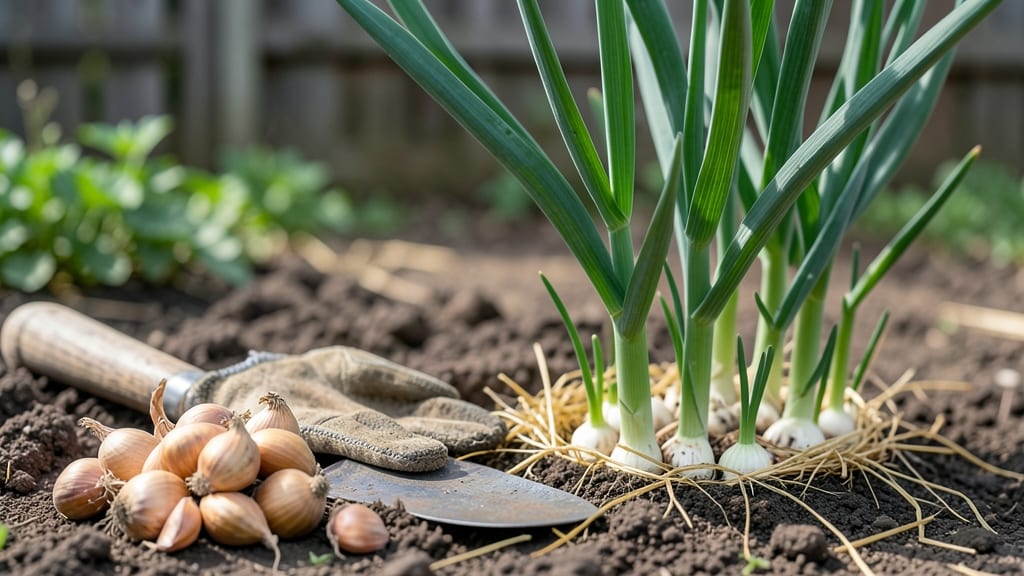
Planting garlic in Ohio spring should happen between March and early April to avoid frost damage and ensure a strong harvest—this window works for both hardneck and softneck varieties.
Ohio gardeners know timing is everything—plant garlic too early, and you risk frost damage; too late, and your harvest shrinks. But mastering the perfect spring planting window for hardneck vs. softneck varieties can mean the difference between a bountiful crop and wasted effort.
Spring planting gives you a second chance if you missed fall’s ideal window, but soil temperatures and frost dates are critical. In USDA Zone 6a, aim for when the ground reaches 40°F—usually late March—so the cloves can root before the last frost hits around April 15.
Below, I’ll break down the best months for each variety, soil prep tips, and how to time it right for Ohio’s climate—so you can grow plump, flavorful bulbs without the guesswork.
Ohio’s ideal garlic planting window by variety (hardneck vs softneck)
Ohio’s variable climate makes garlic planting tricky—hardneck varieties thrive in cold winters, while softneck types prefer milder conditions. The key is planting when soil temperatures hit 40°F but before last frost dates (typically mid-April in most of Ohio).
For spring planting, this narrow window ensures bulbs establish roots before summer heat arrives.
Hardneck garlic (USDA Zones 3-8) like 'Music' or 'German White' needs cold stratification to form bulbs, while softneck ('California Early' or 'Artichoke') grows better in warmer winters like southern Ohio’s Zone 6b-7a.
Your location dictates whether you’ll plant 4-6 weeks before last frost (northern Ohio) or 2-3 weeks before (southern Ohio).
| Variety | Best Ohio Planting Window | Soil Temp Trigger | Frost Risk |
|---|---|---|---|
| Hardneck (e.g., 'Music', 'German White') | March 15–April 15 (northern OH) March 1–April 1 (southern OH) |
40–50°F (4–7°C) | High (needs cold for bulb formation) |
| Softneck (e.g., 'California Early', 'Artichoke') | March 20–April 20 (all OH) | 45–55°F (7–13°C) | Moderate (tolerates milder winters) |
| Both Varieties | Avoid planting after April 30 (heat stress risk) | Soil must stay above 32°F (0°C) | Late frosts can kill young shoots |
Northern Ohio (Zones 5-6a) should aim for March 15–April 1 to avoid late spring frosts, which can damage emerging shoots. Southern Ohio (Zones 6b-7a) has a slightly later window (March 20–April 15) thanks to milder winters.
Use a soil thermometer to confirm temperatures—garlic roots won’t grow below 40°F.
Hardneck garlic requires winter chill (below 40°F for 6–8 weeks) to form bulbs, so spring-planted hardnecks in southern Ohio may yield smaller bulbs. Softneck varieties, however, skip bulb formation in winter and focus on leaf growth, making them more forgiving for late spring plantings.
Check Ohio’s last frost dates (average April 15) via the Old Farmer’s Almanac or local Cooperative Extension offices. Plant 2–3 weeks before this date to give cloves time to root before summer heat arrives.
For example, if your last frost is April 20, plant by April 5 for hardnecks or April 10 for softnecks.
Soil preparation is critical: amend beds with compost to reach pH 6.0–7.0 and ensure well-draining soil. Hardneck garlic benefits from looser soil (6 inches deep), while softneck can handle slightly denser conditions. Mulch with straw after planting to retain moisture and protect against temperature swings.
Spring-planted garlic may produce smaller bulbs than fall-planted varieties, but it’s a viable backup if you missed the fall window (October–November). Hardnecks planted in spring often yield fewer cloves per bulb, while softnecks compensate with longer storage life.
Choose large, plump cloves for planting—they’ll produce the biggest harvests.
Monitor for early signs of stress: yellowing leaves or stunted growth may signal too-warm soil or poor drainage. If temperatures rise above 80°F, provide shade cloth to prevent bolting (flowering). Water deeply once a week to encourage root growth, but avoid waterlogging, which causes rot.
Harvest time arrives late June–July when lower leaves brown and stems yellow. Cure bulbs in a dry, shady spot for 2–3 weeks before storing. Spring-planted garlic stores 3–6 months, compared to 9+ months for fall-planted crops.
For Ohio gardeners, timing truly is everything—master this window, and you’ll reap the rewards! 🧄
5 Critical factors that determine your Ohio garlic planting success
Ohio’s USDA Zones 5-7 create unique challenges for garlic growers. Unlike warmer climates, our cold winters and variable spring frost dates demand precise timing and preparation.
Whether you’re planting hardneck varieties (like Music or German White) or softneck types (such as Silverskin), these five factors will make or break your harvest. Let’s break down what truly matters for success in your garden.
First, soil temperature is non-negotiable. Garlic cloves won’t sprout until the soil reaches 40°F (4°C). In Ohio, this typically happens between late March and early April, but it varies yearly.
Planting too early risks rotten cloves from cold, wet soil, while waiting too long delays growth. Use a soil thermometer to confirm readiness—this small tool saves hours of guesswork.
Next, frost dates dictate your planting window. Ohio’s last average frost date falls around April 15, but frost can linger into May in northern regions. For spring planting, aim to get cloves in the ground 2-3 weeks before the last frost.
This gives roots time to establish before summer heat arrives. Hardneck varieties, which thrive in colder climates, can handle slightly earlier planting than softnecks.
- 1. Soil Prep: Test pH (aim for 6.0-7.0); amend with compost and aged manure.
- 2. Frost Timing: Plant 2-3 weeks before last frost (typically late March-early April).
- 3. Bulb Size: Choose large cloves (1+ inches) for bigger harvests; discard small or damaged ones.
- 4. Spacing: Plant 4 inches deep, 6 inches apart in rows 12 inches apart.
- 5. Mulch: Apply 4-6 inches of straw after planting to retain moisture and insulate roots.
Don’t overlook bulb size selection. Larger cloves (at least 1 inch in diameter) produce bigger bulbs, while tiny or shriveled cloves waste garden space. Break apart garlic braids carefully—each clove should have a root nub attached.
If you’re using store-bought garlic, opt for organic, seed garlic from reputable suppliers like Johnny’s Selected Seeds or local nurseries. Smaller cloves can still grow, but yields will be 30-50% lower.
Spacing requirements often trip up new gardeners. Crowding leads to disease spread and smaller bulbs, while over-spreading wastes space. Plant cloves 4 inches deep with 6 inches between each clove and 12 inches between rows. This spacing allows airflow, reduces fungal risks, and makes harvesting easier. For raised beds, you can tighten spacing slightly to 4 inches apart if space is limited.
Finally, pre-planting soil tests are a game-changer. Ohio’s native soil often lacks phosphorus and potassium, both critical for garlic. Test your soil’s pH (ideal: 6.0-7.0) and nutrient levels at your local OSU Extension office.
Amend with compost or a balanced fertilizer (10-10-10) before planting. A well-prepared bed ensures your garlic focuses on bulb development rather than struggling to access nutrients.
Master these five factors, and your Ohio garlic harvest will thrive—even with our unpredictable springs. Start with soil prep, time your planting around frost dates, and prioritize large cloves and proper spacing. Your future meals (and bragging rights) will thank you! 🌾