
Plants
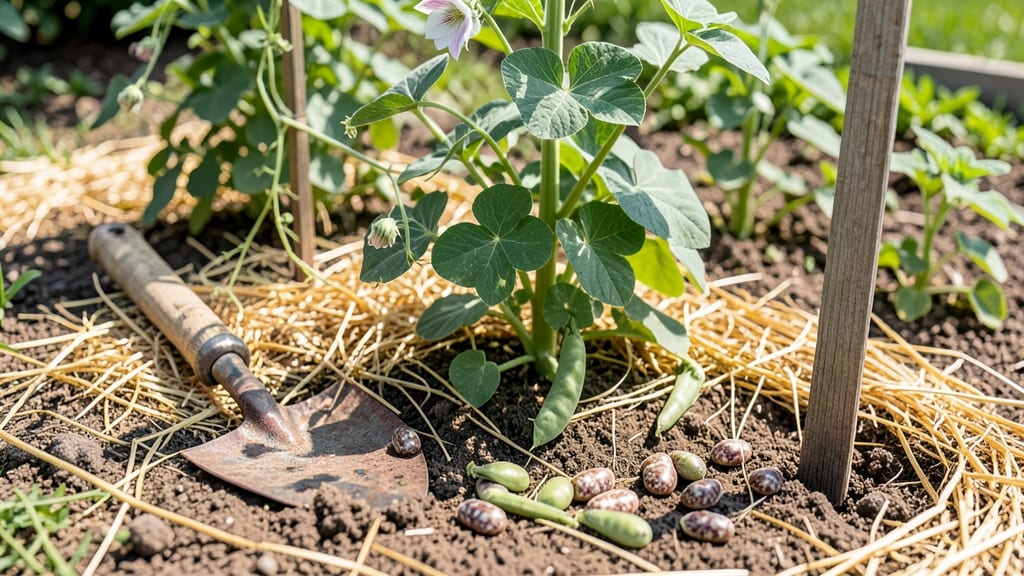
Planting fava beans in Zone 6 at the right time means the difference between a lush harvest and a wasted effort—especially since these cold-hardy 🌱 legumes need precise timing to thrive.
You’ve probably heard that fava beans love cool weather, but planting them too early risks frost damage, while waiting too long lets summer heat stunt growth. The sweet spot? Early spring (March–April) or fall (August–September), when soil temps hover between 40–50°F and the last frost is weeks away.
Whether you’re a first-timer or a seasoned gardener, nailing the schedule isn’t just about dates—it’s about reading your soil, adjusting for microclimates, and choosing the right varieties for your region. Skip the guesswork, and you’ll enjoy tender pods by June or October.
Below, I’ll walk you through the exact frost dates to watch, how to prep your soil for success, and why fall planting can be just as rewarding as spring. Let’s get those beans in the ground the right way.
Optimal planting windows for fava beans in Zone 6: frost dates and soil temps
Fava beans are one of the most cold-hardy vegetables you can grow in Zone 6, making them perfect for early spring planting. The key to success lies in understanding your last frost date—typically around April 15—and soil temperatures that should reach at least 40-50°F for germination.
Planting too early risks frost damage, while waiting too long may mean missing the ideal window for a summer harvest.
In Zone 6, March through early April is the sweet spot for spring planting. However, regional variations matter: cities like Pittsburgh (Zone 6a) often have later frosts than St. Louis (Zone 6b). Always check your local USDA Plant Hardiness Zone map and almanac data for precise timing.
Soil temperature is just as critical as frost dates. Fava beans germinate best when soil reaches 40-50°F. Use a soil thermometer to confirm readiness—this usually aligns with late March to early April in most of Zone 6. If your soil is colder, wait a few weeks or use black plastic mulch to warm it faster.
For early springs, aim to plant fava beans 2-3 weeks before your average last frost date. If you’re in a late-spring area (like parts of Zone 6b), extend this window to mid-April.
Always monitor weather forecasts—unexpected late frosts can still occur, so have row covers ready to protect young seedlings.
Zone 6’s northern edge (e.g., Pittsburgh) often experiences later frosts than the southern edge (e.g., St. Louis). If you’re unsure, use the 10-year average frost dates from the Old Farmer’s Almanac or your local cooperative extension service. These resources provide the most accurate data for your specific microclimate.
Adjust your planting schedule if your spring is unusually warm or cold.
For example, if soil warms to 50°F by late February, you can plant early—but if temperatures stay below 40°F into April, wait until then. Soil thermometers are a small investment that pays off with better germination rates.
Don’t overlook fall planting in Zone 6! Fava beans can also thrive when sown in late summer (August-September), producing harvests before the first frost. This works best in areas with mild autumns, like St. Louis, but even Pittsburgh gardeners can succeed with row covers and mulch.
When planting, bury seeds 1-2 inches deep in well-draining soil with a pH of 6.0-7.5. Space seeds 2-3 inches apart in rows 18-24 inches apart to allow for vigorous growth. Thin seedlings to 4-6 inches apart once they’re 2-3 inches tall to prevent competition.
If you miss the spring window, don’t despair—fava beans are perennial in mild winters. Some varieties, like ‘Aquadulce Claudia’, may even reseed themselves for multiple harvests. Just remember: timing is everything for maximizing yields in Zone 6’s variable climate. 🌱
How to extend your fava bean season: fall planting and succession strategies
Fall planting lets you harvest sweet fava beans when spring crops are winding down. In Zone 6, late summer and early fall sowings can produce tender pods by October or November, just as other vegetables fade.
The key? Timing your second crop to avoid early frosts while still giving plants enough time to mature.
Most gardeners focus on spring planting, but fall fava beans thrive in cooler temperatures and often escape pests that plague spring crops. Varieties like Aquadulce Claudia (a classic choice) and Early Bird are perfect for extended seasons, withstanding light frosts and producing flavorful harvests.
- 📅 Choose the right window: Aim for August 15–September 15 in Zone 6, when soil temps are 50–60°F and nights stay above 40°F.
- 🌱 Select frost-tolerant varieties: Opt for Aquadulce Claudia or Early Bird, which handle light frosts better than others.
- 🌡️ Monitor frost dates: Use your local USDA frost calendar to plant 60–70 days before the first expected frost.
- 🛡️ Protect seedlings: Use row covers or cold frames if nights dip below 35°F after planting.
- 🌾 Sow succession crops: Plant a second batch 4–6 weeks after the first for staggered harvests.
Start by preparing your soil with compost and phosphorus-rich amendments (like bone meal) to support root and pod development. Fava beans fix nitrogen, so avoid over-fertilizing—too much nitrogen leads to leafy growth instead of pods. Space seeds 2–3 inches apart in rows 18–24 inches apart for proper airflow.
Once seedlings emerge, mulch with straw or shredded leaves to retain moisture and regulate soil temperature. This is especially critical in fall, when days grow shorter and temperatures fluctuate. A 3–4 inch mulch layer keeps roots stable and protects against sudden cold snaps.
For late-season protection, set up low tunnels or cold frames over plants when temperatures drop below 40°F at night. These simple structures can extend your harvest window by 2–4 weeks, shielding tender plants from frost while still allowing sunlight to penetrate.
Just remove covers during the day to prevent overheating.
Harvest pods when they’re 3–4 inches long and firm but before seeds inside become hard. In fall, this usually happens 80–90 days after planting, depending on your variety and frost timing. Don’t wait too long—woody pods lose flavor and texture quickly.