
Trees
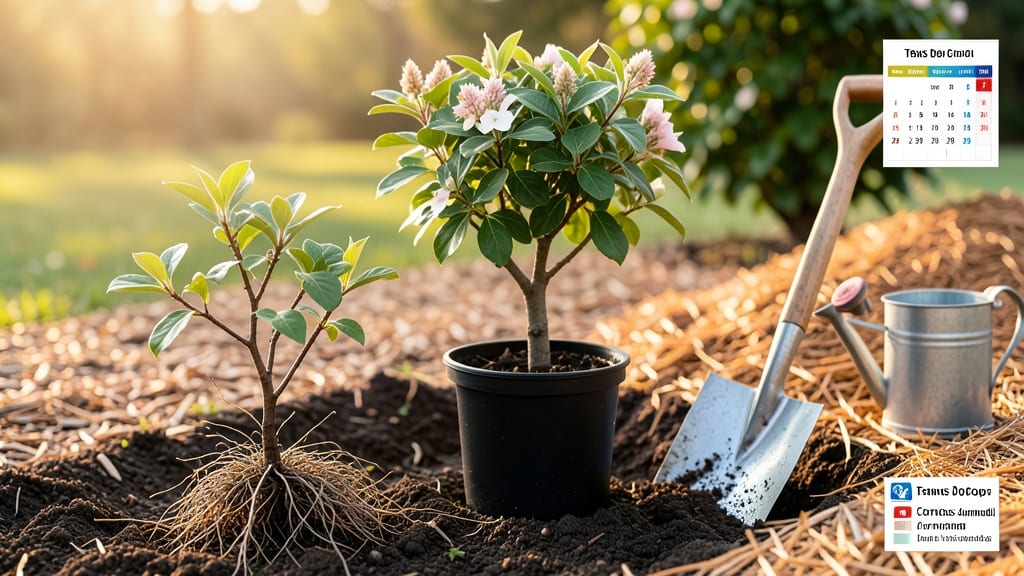
Planting dogwood trees in Texas at the right time ensures they thrive in your yard’s partial shade 🌳—and skipping the best window can leave them struggling with heat stress.
If you’ve ever watched a dogwood wilt under Texas’ brutal summer sun, you know timing is everything. The difference between a flourishing shade tree and a weak understory plant often comes down to when you plant it.
Texas’ USDA zones 7a-10a mean frost dates vary wildly—from February in North Texas to January in the South. That’s why fall (October–December) and early spring (February–March) are the golden windows for planting.
In this guide, I’ll break down the best months by region, soil prep tips for Texas’ alkaline dirt, and how to protect your dogwood from heat and drought once it’s in the ground.
Best planting months for dogwood trees in Texas by USDA hardiness zones
Texas' diverse climate means dogwood trees thrive best when planted during specific windows to avoid extreme heat or winter frost.
In North Texas (Zones 7b-8a), cooler temperatures create ideal conditions in late fall and early spring, while Central/South Texas (Zones 8b-9a) benefit from slightly later planting to escape summer's intensity. Getting the timing right ensures strong root establishment and vibrant growth.
For North Texas gardeners, the optimal planting window spans from October through December and again from February to March. These months offer cooler soil temperatures and consistent moisture, reducing transplant shock.
In Central and South Texas, where winters are milder, you can extend planting into early April—but avoid summer months entirely, as dogwoods struggle with heat stress and drought conditions.
Bare-root dogwoods are best planted in fall or early spring, while container-grown trees offer more flexibility but still require avoiding peak heat. Texas' alkaline soils and variable rainfall add another layer of complexity, making proper timing even more critical. Let’s break down the best months for each region to maximize your dogwood’s success.
In North Texas (Zones 7b-8a), the late fall window (October–December) is ideal because soil temperatures drop, reducing stress on young roots. This period also allows 6–8 weeks for roots to establish before winter dormancy.
Early spring (February–March) offers a second chance, aligning with spring rainfall and rising temperatures that encourage growth. Dallas and Fort Worth gardeners should prioritize these months to avoid summer’s brutal heat, which can cause leaf scorch and root desiccation.
For Central Texas (Zones 8a-8b), including Austin and San Antonio, the planting window extends slightly later. November through January provides milder winters and lower pest activity, while February–March aligns with spring blooms.
The key is to plant before April’s rising temperatures, which can stress dogwoods still adjusting to their new environment. Container-grown trees in this region can sometimes handle early April planting, but monitor soil moisture closely.
South Texas (Zones 8b-9a), including Houston and Corpus Christi, benefits from the latest planting windows due to its warmer winters. December through February offers cooler evenings and lower humidity, reducing transplant shock. March–April is also viable but requires daily watering to combat spring droughts. Avoid planting in May–September, as temperatures frequently exceed 95°F, making survival nearly impossible without artificial shade and constant moisture.
Regardless of your USDA Zone, always amend your soil with organic matter like compost or peat moss to improve water retention and drainage.
Dogwoods prefer slightly acidic soil (pH 4.5–6.0), so test your soil and adjust with sulfur or pine fines if needed. Mulch heavily (3–4 inches) with pine straw or shredded bark to retain moisture and regulate soil temperature.
After planting, water deeply 2–3 times per week for the first 6–8 weeks, then taper to weekly deep waterings once established.
In North Texas, reduce watering in winter months to prevent root rot, while South Texas gardeners may need to water every 3–4 days during summer heatwaves. Avoid fertilizing for the first 6 months—let roots establish before applying a balanced 10-10-10 fertilizer in early spring
Critical factors that determine dogwood planting success in Texas climates
Texas’ alkaline soils and intense heat create unique challenges for dogwood trees 🌳. Unlike cooler climates, dogwoods here need careful site prep to handle poor moisture retention and summer droughts. Without the right conditions, even healthy saplings can struggle to establish roots.
One of the biggest mistakes I see is planting dogwoods in full Texas summer heat. The root zone dries out too quickly, and young trees can’t recover. Instead, focus on fall or early spring when temperatures are milder and rainfall is more consistent.
Texas’ USDA zones 7a-10a also mean frost dates vary wildly. In North Texas, frost can linger until mid-February, while South Texas may see light frosts as late as January. Timing your planting around these dates ensures your dogwood avoids heat shock or cold stress.
Dogwoods hate alkaline soils (pH 7.5+), which are common in Texas. Test your soil—if pH is above 7.0, amend with sulfur or peat moss before planting. Without adjustment, roots suffocate, and nutrient uptake fails, leading to yellowing leaves and stunted growth.
Another critical factor is soil moisture retention. Dogwoods need consistently moist but not soggy soil. In Texas’ clay-heavy soils, mix in organic matter like compost or pine bark fines to improve drainage while holding water. A 3-inch mulch layer also helps retain moisture and regulate soil temperature.
Heat tolerance is key—dogwoods planted in late spring or summer often suffer from transplant shock. To protect your tree, choose a north-facing or east-facing planting spot to avoid harsh afternoon sun. If planting in full sun, provide daily afternoon shade for the first year.
Finally, watering depth matters. Young dogwoods need 15-20 gallons of water weekly during the first year, delivered deeply at the root zone. Shallow watering encourages weak root systems that can’t handle Texas’ summer droughts. Use a soaker hose or drip irrigation to keep moisture consistent.
By addressing these critical factors—soil prep, frost timing, moisture retention, and heat protection—you’ll give your dogwood the best chance to thrive in Texas’ challenging climate 🌿.