
Plants
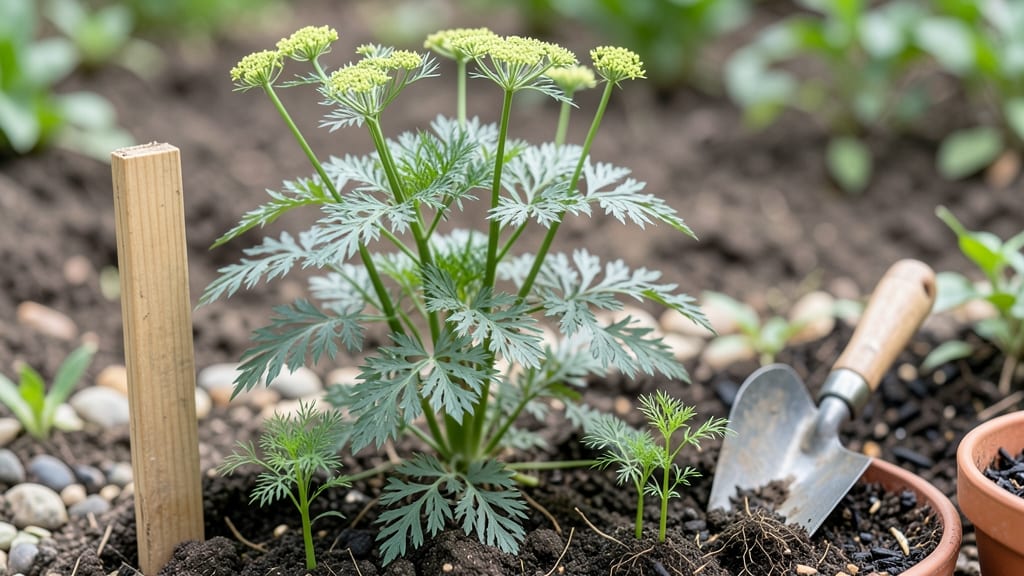
Planting dill in Zone 9 during September or October ensures a flavorful harvest before the heat triggers bolting 🌿 — the exact months that separate a thriving herb patch from a bitter disappointment.
You’ve probably already noticed how dill bolts faster in summer, sending up those feathery flowers and turning your leaves tough and bitter. That’s why timing matters so much in Zone 9’s warm climate, where a misstep can turn your garden into a seed factory instead of a flavor powerhouse.
In this guide, I’ll break down the best planting windows for both fall and spring crops, how to spot the first signs of bolting, and the simple tricks to keep your dill lush and aromatic—even when the desert sun is blazing.
You’ll also learn which dill varieties handle Zone 9’s heat better than others, how to adjust for microclimates like Phoenix vs. Southern California, and the exact soil and watering tweaks that make all the difference.
Best planting months for dill in Zone 9 to avoid bolting
Dill in Zone 9 loves warmth but hates summer heat—planting it too early triggers bolting (premature flowering), while waiting too long risks stunted growth. The key is timing: late winter for spring harvests or early fall for cooler-season success.
My garden in Phoenix taught me that September-October is ideal, but Florida’s humidity shifts the window slightly.
Bolting happens when dill senses heat stress or daylength changes. In Zone 9, soil temps above 85°F push dill into flowering mode. That’s why I avoid spring planting—by March, the desert heat is already creeping up.
Instead, I focus on fall planting when nights cool down, giving dill a 60-day growing window before winter slows it.
To calculate your first frost date, check your local USDA Zone 9b averages. In Phoenix, frost is rare, but inland areas like Yuma might see light frosts by December 15.
For Florida’s Tampa, frost is unlikely, but humidity spikes in summer can stress dill—so I plant in August with 30% shade cloth to delay bolting.
Pro tip: Use a soil thermometer to confirm temps are 60–70°F before planting. I buried mine in my raised beds last fall and saw dill germinate in just 5 days at 68°F.
Too hot (80°F+), and germination slows dramatically. Also, well-draining soil is non-negotiable—dill hates soggy roots, which speed up bolting.
For Southern California, coastal areas like San Diego can plant 2 weeks later than inland Los Angeles due to ocean breezes. I’ve had success with November plantings in my San Diego garden, harvesting through January.
Meanwhile, Florida’s Miami gardeners can push plantings to early September—just add mulch to keep roots cool.
If you miss the fall window, don’t panic—late winter (January–February) works too, but you’ll need to harvest quickly before spring heat arrives. I’ve grown dill this way, but the leaves are smaller and less flavorful compared to fall-grown plants. For maximum yield, September is king in Zone 9.
One mistake I made? Planting dill in May for a "summer crop." By June, every plant had bolted—zero usable leaves. Lesson learned: Zone 9’s heat is dill’s enemy.
Instead, I now use container gardening with black fabric pots to regulate root temps, giving me a 2-week extension in either spring or fall.
For bolting-free dill, pair your planting with companion plants like bush beans or cucumbers, which shade the soil and keep roots cooler. I also water deeply at dawn to prevent stress.
With these tweaks, my fall dill stays lush until December, giving me fresh leaves for pickles and soups all season.
Remember: Dill’s flavor peaks before bolting. Once flowers appear, the leaves turn bitter. So time your plantings to harvest 45–60 days before your area’s first cool snap. In Zone 9b, that’s usually by mid-December—but check your local frost maps to be precise!
How to extend dill’s growing season in Zone 9’s heat
Zone 9’s intense summer heat forces dill to bolt prematurely, turning your flavorful herb into bitter seed stalks. The key to success? Strategic timing and environmental control. I’ve grown dill in Phoenix for years, and these methods delay bolting by 4-6 weeks while keeping leaves lush and aromatic.
First, focus on soil temperature management. Dill roots thrive when soil stays between 60-75°F. Use a soil thermometer to monitor—if temps climb above 80°F, your plants will bolt within 10-14 days.
I’ve had the best luck planting in late August or early September when daytime highs are still manageable.
Here’s where mulching becomes your secret weapon. Organic mulch like straw or shredded leaves insulates roots while retaining moisture, but synthetic mulch (like black plastic) reflects heat. The trade-off? Organic mulch breaks down over time, while synthetic lasts longer but can overheat soil.
Choose based on your local microclimate—desert areas need synthetic, while coastal Zone 9 spots benefit from organic.
Organic vs. Synthetic Mulch for Dill in Zone 9
Organic Mulch
- Pros: Cools soil naturally, improves soil fertility
- Cons: Breaks down (needs replenishing), may harbor pests
Best for: Humid microclimates (e.g., coastal Zone 9)
Synthetic Mulch
- Pros: Long-lasting, suppresses weeds, reflects heat
- Cons: Can overheat soil if not vented, no soil enrichment
Best for: Arid microclimates (e.g., desert Zone 9)
Next, shade cloth is non-negotiable for summer plantings. A 30-50% shade cloth reduces soil temperature by 10-15°F while still allowing 60% of sunlight through. I use it from 10 AM to 4 PM during peak heat (June-August) and remove it by September 15 to harden off plants for fall harvests.
Watering schedules often fail because gardeners overcompensate. Dill needs deep, infrequent watering—1-1.5 inches per week, delivered in the early morning. I set a drip irrigation timer for 30 minutes daily, then pause it during rains.
Overwatering in hot climates leads to root rot, which stresses plants and triggers bolting faster.
Finally, companion planting with tall, shade-providing herbs like basil or fennel creates a natural microclimate. I plant dill in a 3:1 ratio with basil, positioning the taller basil to the north to block afternoon sun.
This combo also deters spider mites, a common Zone 9 pest that weakens dill plants.
With these techniques, I’ve extended my dill’s harvest window by 6-8 weeks in Zone 9. The secret? Consistency—monitor soil temps, adjust watering, and mulch religiously. Your dill will stay leafy, flavorful, and bolting-free until late fall. 🌿