
Companion Plants
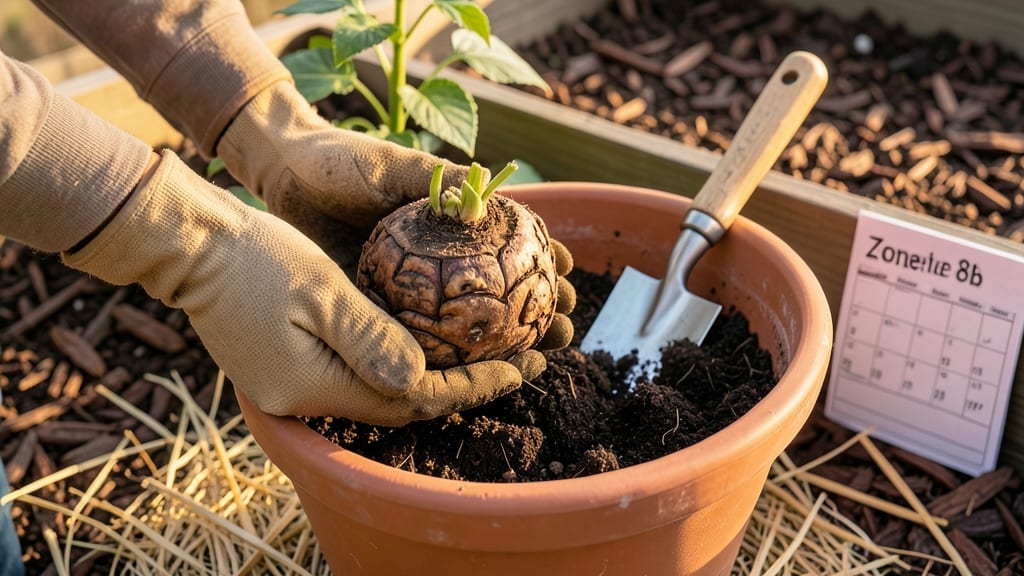
Planting dahlias in Zone 8b after the last frost — typically by mid-April — unlocks their full potential for bold, long-lasting blooms 🌸.
But timing isn’t just about frost dates. Dahlias need soil that’s warmed to at least 50°F, and rushing them can mean stunted growth or worse. In my garden, I’ve learned that waiting for both the right temperature and the right weather window makes all the difference.
Zone 8b’s mild winters and unpredictable springs add another layer. Coastal areas may be frost-free by early March, while inland spots might still see chilly nights in April.
That’s why I’ll walk you through how to check soil temps, when to start chitting tubers for a head start, and how to adjust for your specific microclimate.
By the end, you’ll know exactly when to plant for healthy dahlias that thrive all season — no guesswork, just vibrant results.
Ideal planting dates for dahlias in Zone 8b based on soil temperature
In Zone 8b, planting dahlias at the right time means the difference between lush, blooming plants and struggling tubers. Unlike colder zones, Zone 8b’s mild winters and warm springs require precise timing based on soil temperature—not just last frost dates.
Dahlias thrive when soil reaches 50°F+, signaling roots can grow actively without risk of chilling injury.
Most gardeners in Zone 8b assume "after last frost" is enough, but coastal areas like Santa Barbara may see frost-free conditions by February 15, while inland regions like Phoenix might wait until March 15.
Soil warmth lags behind air temperature, so testing with a soil thermometer is critical—don’t plant until your readings confirm 50°F+ for 3+ days.
Here’s the key: Dahlias planted too early in cold soil (45°F or below) risk rotten tubers or stunted growth. Conversely, waiting too long (after April 15) may expose them to late spring heatwaves, stressing young plants before they establish roots.
Balance is everything in Zone 8b’s unpredictable climate.
Regional microclimates add another layer. Coastal Zone 8b (e.g., San Diego) often has warmer soils by March 1, while inland valleys (e.g., Sacramento) may need to wait until March 20.
Elevation also matters—higher areas (like Santa Cruz Mountains) can be 5–10 days later than valley floors.
To test soil readiness, bury a soil thermometer 4–6 inches deep (the depth you’ll plant tubers) and monitor for 3 consecutive days at 50°F+. Early mornings are best for accurate readings—soil cools overnight and warms slowly.
If your readings fluctuate, wait until temperatures stabilize. Pro tip: Black plastic mulch can warm soil by 5–10°F faster, letting you plant 1–2 weeks earlier in cooler microclimates.
Heatwave risks in Zone 8b’s late spring (after April 15) can stress dahlias before they establish roots. If your forecast shows 90°F+ days, consider shade cloth or planting in partial shade until plants are 12 inches tall.
Varieties like ‘Café au Lait’ (heat-tolerant) or ‘Thomas Edison’ (drought-resistant) are better choices for inland areas prone to early heat.
For container growers, soil warms faster in pots, so you can plant 2–3 weeks earlier than in-ground. Use black pots to absorb heat, but ensure they have drainage holes to prevent rot.
If your containers sit on concrete or pavement, elevate them with brick or pot feet—heat radiates upward and can cook roots.
Remember: Dahlias planted in Zone 8b after April 15 may still produce blooms, but they’ll struggle with heat stress and poor root establishment. The ideal window balances soil warmth, frost risk, and heatwave timing.
Use local weather apps (like Almanac’s Frost Calculator) to fine-tune your dates—every region in Zone 8b has its own quirks!
How to prepare dahlias for Zone 8b planting: chitting, soaking, and hardening off
Preparing dahlias for Zone 8b planting requires a few key steps to ensure they thrive in your garden’s unpredictable spring warmth. By chitting tubers and soaking roots, you give your dahlias a head start before transplanting.
This process helps them establish faster and produce bigger blooms all season long.
Zone 8b’s mild winters and warm springs mean you can start preparing tubers earlier than in colder zones. However, rushing the process can lead to over-soaked tubers or premature planting, which weakens growth. I’ll show you how to balance these factors for the best results.
Step-by-step preparation ensures your dahlias are ready when soil temps hit 50°F or warmer. Here’s exactly what to do:
-
1
Chitting Tubers Indoors
🌱
Place tubers in a cool, bright spot (60-65°F) with the eyes facing up. Sprouts should appear in 2-4 weeks.
-
2
Soaking Roots for 1 Hour
💧
Soak tubers in lukewarm water for 1 hour max to rehydrate roots. Avoid longer soaking—it can cause rot.
-
3
Hardening Off Sprouted Tubers
☀️
Move tubers outside for 2-3 hours daily in partial shade 1 week before planting. Gradually increase exposure to direct sun.
-
4
Plant When Soil Hits 50°F
🌡️
Use a soil thermometer to confirm warmth. Plant 4-6 inches deep, spacing tubers 12-18 inches apart.
Avoid the common mistake of planting too early, even if your tubers have sprouted. Cold soil can stunt growth, and Zone 8b’s late frosts (especially inland) can still pose a risk.
I’ve seen dahlias planted in March wilt when a 40°F night hits—so always check your local frost dates and soil temps.
Once your tubers are planted, focus on consistent moisture and mulching to retain warmth. Dahlias in Zone 8b can bloom from summer through fall if given the right start. With these steps, you’ll be rewarded with vibrant, long-lasting blooms that steal the show in your garden.